
Asking a guitarist what the best electric guitar is is about as conclusive as asking someone what the best flavour of chips is – everyone is likely to give you a different answer. Guitar choice is entirely subjective, and there isn't one model that's objectively the best. That said, we've reviewed thousands of electric guitars here at Guitar Player, so we'd like to think we know how to separate the genuinely great from the merely good, the exceptional value from the overpriced and the unforgettable from the forgettable.
If you’re just starting out and want an affordable gem, then I'd highly recommend you check out the Squier Affinity Stratocaster. It delivers big tones for relatively little money and features a very comfortable Fender neck profile. For those looking for a great Strat, one of my favorites is the Fender American Professional II Stratocaster. More of an LP type? Go check out the Gibson Les Paul Standard 60s; it’s a premium price tag, but it’s a guitar for life if you do decide to treat yourself.
I've been playing well over twenty years now, and I've had my hands on more guitars than I can remember. I've reviewed more than twenty guitars over the past year or so, so I know what I'm talking about when I say a particular guitar is great for beginners, or better for intermediate players. Having worked in guitar retail for 10 years, I've also helped countless players choose the right electric guitar for their needs, a skill I'll draw on when selecting the best models for this guide.
If you're not sure how to go about picking a guitar, we've got an in-depth how to choose section that will get you pointing in the right direction. You'll also find a glossary explaining any electric guitar jargon you may not be familiar with, along with a handy FAQs section that answers some of the most common questions buyers have.
Best for beginners

✅ Buy if you want your very first electric guitar: Countless players have made their start on a Squier Strat, myself included. Get this if you want a great platform to start your playing career.
❌ Avoid if you love the heavy stuff: This guitar is pretty versatile, but if you’re set on playing metal you’ll want a guitar with a humbucker.
If you wanted to start playing electric guitar back in the day, your options were fairly limited. Today, however, there are countless beginner electric guitars available, with many offering the looks, features and feel of much more expensive guitars.
My pick for the best beginner electric guitar has to be the Squier Affinity Stratocaster. Based on one of the most iconic guitar designs of all time, this affordable Strat gives new players a comfortable platform to learn on while delivering the classic tones that have shaped generations of music.
Build quality
The Affinity Strat proves you don’t need to spend a fortune to get a well-made beginner instrument. Its poplar body keeps the guitar lightweight and comfortable, while the maple neck and Indian laurel or maple fingerboard provide the familiar feel many players associate with a traditional Stratocaster.
The finish options also help it stand out with classic Fender-inspired colors that make this feel like a proper instrument rather than just a starter model. The hardware is fairly straightforward, but it does its job well and feels like a clear step up from Squier’s Sonic series. It’s not designed to be flashy, but it offers everything a beginner needs to get started.
Playability
One of the Stratocaster’s biggest strengths is its comfort. The contoured body sits naturally against your body, making it easier to play while sitting down or standing up. The slim C-shaped neck profile is approachable for beginners and won’t feel intimidating for players who are still getting used to forming chords and navigating the fretboard. The 21-fret layout and 25.5-inch scale length provide the familiar feel of a full-sized electric guitar, while the synchronized tremolo bridge introduces players to different techniques like vibrato.
Sounds
The three ceramic single-coil pickups deliver the classic Stratocaster sound: bright, articulate and incredibly versatile. The five-way pickup selector lets you access everything from sparkling clean tones to brighter bridge pickup tones, making this guitar suitable for blues, pop, indie, rock and much more. While it won’t naturally produce the thick, aggressive tones of a humbucker-equipped guitar, that’s really the only limitation. For beginners wanting one guitar that can cover a wide range of genres, the Affinity Stratocaster is difficult to beat.
Best value

✅ Buy if you need a straight-shooting rock guitar: The RSE20 has a pair of tasty humbuckers that suit an overdriven amp to perfection. Better yet, it won't break the bank.
❌ Avoid if you want something more versatile: Although it's far from a one-trick pony, there are more versatile options on the market, particularly guitars with an HSS pickup configuration.
Having hit the market in 2022, the Revstar RSE20 remains one of the best electric guitars under $1,000 you can buy. This entry-level Revstar Yamaha is fairly straightforward in construction, choosing to forgo fancy features in favor of a fairly no-nonsense approach. This striking horned axe is reminiscent of the old-school Yamaha SG, giving you the look and vibe of this cult classic at a far more affordable price.
Build quality
The first thing I noticed when picking up the RSE20 was its weight; a deadweight it is not. Yamaha has achieved this by utilizing a chambered mahogany body, which is both light and resonant, making it ideal for gigging. Even with its entry-level models, Yamaha means business when it comes to build quality. The set-in three-piece mahogany neck is incredibly stable, while small details like the vintage-inspired die-cast tuners rotate with reassuring smoothness.
Playability
Yamaha doesn't give us an official neck profile, but it feels like a C shape with a bit of added girth, filling your palm a little more than a standard C-shaped neck. It's unique, but by no means uncomfortable. In fact, it's a joy to play, not to mention the smooth satin finish, which makes traveling up and down the neck a breeze. The double cutaway further emphasizes easy access to the upper frets, and the 24.75-inch scale length will suit Les Paul players to a T.
Sounds
Housing two fairly high-output humbuckers, the Revstar RSE20 most definitely brings the noise, making it an excellent choice for hard rock, punk, and even metal. By far the most advanced feature on the guitar is its Dry Switch, a control that, when engaged, tightens the low end and adds extra clarity, giving the pickups a brighter, more articulate character that isn't unlike a single-coil. Ultimately, it adds another string to the Revstar's bow, giving it more versatility than its humbucker-equipped appearance might initially suggest.
Best mid-tier

✅ Buy if you’re looking for something different: Reverend is king of the alternative, wearing its many influences proudly on its sleeve.
❌ Avoid if you’d prefer a big-name brand: Although Reverend is making a name for itself, some players simply won’t want to stray away from the old-school names.
Overview
It's easy to think we've seen every possible shape for an electric guitar, but then along comes Reverend with the Double Agent. The love child of a Telecaster and Les Paul, with maybe a little offset thrown in there for good measure, this is a truly striking-looking guitar. You may have seen this model before under a different name, as Reverend has rebranded the Double Agent OG as the Charger H90. It's the same great guitar, just with a few welcome updates.
Build quality
Firstly, this is the only guitar on this list made from the mythical Korina, also known as White Limba. Arguably most famous for being the original material used on the '58 Gibson Explorer and Flying V, this alluring wood is renowned for being lightweight and highly resonant.
Other thoughtful touches include a roasted maple neck with Reverend's six-bolt design for excellent stability. The string-through-body six-saddle hardtail bridge is another welcome addition following the rebrand, replacing the Tune-o-matic found on the previous model, while Reverend's pin-locking tuners make string changes quick and painless.
Playability
The Charger’s medium oval neck profile is incredibly welcoming, and since it's finished in a smooth satin, playing it is incredibly comfortable. It has a 25.5-inch scale length, so those used to Fender-style guitars will feel at home with the length, while the single cutaway doesn’t offer quite the same upper-fret access as a double-cut design; it will feel familiar to Gibson-style players. It is a true mix of different influences.
Sounds
The Charger H90 guitar not only looks different but is also concealing a number of tone-shaping features, such as a treble bleed circuit to maintain your high-end when rolling off the volume and a passive bass roll-off control for tightening up the low-end. Reverend’s rebrand also introduced two new pickups, the Steelhead humbucker in the bridge and a Steelhead P-90 in the neck.
This is by far my favorite pickup combination. The versatility is off the charts, and having both a treble bleed and bass contour means you can cover a plethora of different tones. So if you are looking for something a little different, then you should definitely check one of these out.
Best for gigging players

✅ Buy if you need a guitar that covers plenty of ground: This is ideal for a cover band guitarist or a player who swaps between different gigging bands. The stability and versatility will serve them well.
❌ Avoid if you’re looking for something more exciting: Although versatile and stable, it may fall into the category of being a bit bland for some players.
Overview
The Fender Stratocaster is arguably the most versatile guitar of all time. The three pickups and five-way switch offer a range of tones you simply can't achieve on other guitars - with clever switching and parlor tricks, you can get close, but you can't nail those Strat tones perfectly without a genuine Stratocaster. The American Pro II is the sequel to the acclaimed guitar released in 2017. Like most second installments, this guitar is very similar to its predecessor, with a few minor changes.
Build quality
There is a great lightweight feel to the American Professional II Strat, largely due to the roasted pine body. Pine is typically quite lightweight regardless, but by roasting it, the wood becomes more stable and resistant to changes in temperature and humidity. Other standard Professional Series appointments, like the gloss urethane lacquer and Fender’s own sealed staggered tuning machines, round off a very well-made guitar that will survive the trials and tribulations of taking it out on the road. The redesigned 2-point tremolo with a cold-rolled steel block also increases sustain and clarity.
Playability
If there’s one thing that can be said about a Stratocaster, it’s that they are incredibly playable and the American Professional II is no different. In fact, it exceeds expectations. The deep ‘C’ neck now sports rolled edges for a more comfortable feel, making it even easier to play those Jimi chords with your thumb, while the narrow tall frets help you glide across the fingerboard with minimal drag.
Sounds
As for its tones, the updated V-Mod II single-coil pickups offer all the sounds you'd expect from a high-quality Strat: clarity, glassiness and a noticeable attack when you start to dig in. The amount of versatility on offer is exemplified by the push-push switch in the second tone control, adding in the neck pickup across multiple different configurations. It’s ideal for rounding out any harsher tones you may be getting from the bridge pickup, while giving you another voice to play with.
Best for metal

✅ Buy if speed is your number one priority: Don’t get me wrong, this guitar sounds amazing, but its playability and dedication to speed are the number one selling points.
❌ Avoid if your tastes are a bit more tame: This won’t suit your style if Hank Marvin is more your thing. Although it’s pretty versatile, there are mellower choices out there.
Overview
Jackson has long been at the forefront of guitar shredding, remaining relevant 40 years after the brand’s inception. That brings us to the SL2 DX, which is the third iteration of the ever-popular and distinctly Jackson American Soloist Series. If a menacing-looking, angular shred machine for heavier styles of music is what you are after, then look no further.
Build quality
Offered in a rather attractive Satin Porsche Grey or Black finish, this super Strat is an extremely solid guitar constructed from an alder body, a 3-piece maple neck, and finished off with an ebony fingerboard. Add stainless steel frets for extra longevity and the iconic Shark-Fin fret markers that are synonymous with Jackson, and you have a fantastically constructed metal machine that looks the part in any dingy metal club the world over.
Other impressive features include the incredibly stable Hipshot 6 hardtail bridge (that makes up the HT part of its moniker) and internal graphite neck reinforcements, adding to the durability.
Playability
As for playability, the SL2 DX is an absolute whirlwind. Features like a shallow ‘D’-shape neck profile, accompanied by a heelless neck joint, give you ultimate access all the way up and down the fingerboard. Add a rolled ebony fingerboard into the mix, along with the neck’s compound radius, and you have all of the necessary modern features that heavy shredders will take to like a duck to water. The lightweight 9-gauge strings fitted straight out of the factory only add to the effortless playing experience.
Sounds
Jackson decided to equip this guitar with two Seymour Duncan pickups in the neck and bridge positions. The JB TB-4 ‘bucker in the bridge position is high-output with a thunderous low end, while the ‘59 SH-1N is a famous pickup known for sparkling treble and scooped mids, similar to Gibson’s famous PAF humbuckers. Throw in the 5-way selector switch that opens up single-coil tones by splitting the pickups, and it opens the door to greater versatility than its mean looks suggest.

"There are many tonal variables here, so your mileage may differ, but I found lots of options for both clean and overdriven sounds, including some unexpected tones coming from a guitar built for metal and shredders. As metal has evolved away from in-your-face driving sounds to include more tonal variation — even some clean environmental passages — it would seem that this pickup combination might provide inspiration for creative metal players looking for new sonic territory to conquer."
Best high-end

✅Buy if you’re looking for a bucket-list guitar: The Standard ‘60s is one you add to the collection and don’t let go, particularly since Gibson has taken this famous guitar back to its much-loved origins.
❌ Avoid if you need a lightweight guitar: This is a non-weight-relieved guitar, meaning it’s by no means lightweight.
Overview
Originally released in 1952 - albeit in a very different guise - the Les Paul has gone on to define rock 'n' roll and become a cultural icon. Gibson has taken a back-to-basics approach with the Les Paul Standard '60s and released a guitar that harkens back to the golden era of this stunning single-cut.
Build quality
Featuring Gibson's tried-and-true combination of a solid mahogany body, an elegant flame-maple top, and a highly playable slim taper neck. There are plenty of familiar Les Paul features with the Standard ‘60s, such as the classic Tune-O-Matic bridge, aluminum stop bar tailpiece, Grover Rotomatic "Kidney" tuners and gold top-hat knobs with silver reflectors, completing the 1960s aesthetic.
There are plenty of Gibson-exclusive finishes on their website, but Unburst, Bourbon Burst and Iced Tea Burst are the three standard finishes, and all look fantastic. Of course, the AA figured maple top looks the part and adds plenty of class.
Playability
The slim taper neck featured on the Standard ‘60s is slightly slimmer than the rounded ‘50s neck on the Standard ‘50s, so if slimmer necks are your thing, the ‘60s is the one to go for. The neck is lacquered on this model, as many traditional Les Pauls are, but it is thin and smooth, making it comfortable for your hand to glide over.
We also have a 12-inch fingerboard radius, putting it in a comfortable middle ground, as it’s not quite as rounded as a traditional 7.25-inch radius but is also flatter than the 9.5-inch radius.
Sounds
Bringing the noise is a set of Burstbucker 61R/61T pickups. These Alnico V pickups are dripping with vintage mojo and offer a clear, punchy tone that can't help but invoke sounds of rock royalty.
Best lightweight

✅ Buy if you’d like a guitar to sling around. The lightweight nature makes jumping around with this guitar a breeze, and it’s particularly fun when gigging.
❌ Avoid if you have particularly big hands. You may find it a little cramped if you have big hands and aren’t used to a shorter scale length.
Overview
If you find the size, shape, and weight of a regular guitar too big, then a short-scale guitar is a great option. The distance between the nut and the bridge of the Fender Player II Mustang is a couple of inches shorter than a Strat, Tele, or Les Paul, which has a considerable effect on the playability.
Build quality
It may be small, but it's not a beginner guitar as such. With a rosewood fingerboard and rolled edges, two Player Series pickups and an alder body, this is a proper instrument that will go all the way from first chords to playing gigs. There is also a range of attractive finish options, like the never-before-seen Cactus Gray released in 2026. Rounding off the build features are a 6-saddle hardtail bridge with bent steel saddles and ClassicGear tuning machines, both of which combine to provide excellent stability.
Playability
The rolled edges of the fingerboard, comfortable neck profile and short scale make it very playable, making it great for younger players or those with smaller hands. It’s also a very fun guitar to play as an adult, as the lightweight construction allows you to throw it around with ease, perfect if you like to jump around whilst playing at gigs. The shorter scale makes chord stretches a breeze, and you’ll find yourself trying more ambitious chord voicings because of it.
Sounds
The Mustang has a very unique tone with its dual single-coil pickup layout. It's a favorite guitar of indie, punk, and grunge players, but you can cover a lot more than that with it. These particular pickups are a little hotter than those on the more traditional-leaning Mustang models too, making them ideal for more modern styles.
Best for kids

✅ Buy if you need a guitar that can cope with the learning process: Whether it's the odd bump or a few accidental knocks, the Pacifica is built to take it all in its stride.
❌ Avoid if you want something with a little more personality: The Pacifica is dependable rather than flashy, which some younger players may find a little understated.
Overview
If you're buying a guitar for kids, reliability and comfort should be just as important as price. Thankfully, the Yamaha Pacifica 012 has all in abundance. It has been one of the most trusted beginner electric guitars for decades, thanks to its solid construction, approachable feel and impressive value for money. Whether it's destined for bedroom practice or school music lessons, the Pacifica is more than capable of handling the journey for your little ones.
Build quality
Yamaha has built a reputation for producing instruments that are exceptionally well put together, and the Pacifica 012 is no exception. While it doesn't have the premium appointments of more expensive guitars, everything feels sturdy and dependable.
There's a good reason you'll find Pacificas in classrooms and music schools all over the world. The vintage-style tremolo allows younger players to experiment with expressive techniques, while the selection of finish options offers enough choice to suit different personalities.
Playability
Comfort is one of the Pacifica's biggest strengths. Its contoured Strat-style body sits naturally against your body, while the double-cutaway design makes reaching the upper frets nice and easy. The satin-finished neck feels smooth in the hand, making it particularly beginner-friendly, while the neck profile is very approachable for fresh-faced beginners, not too thin or thick. Whether you're learning your first chords or trying your hand at lead playing, the Pacifica encourages you to keep picking it up.
Sounds
I’ve always thought that the Pacifica's HSS pickup configuration makes it incredibly versatile for a first guitar. The bridge humbucker delivers enough power for rock and heavier styles, while the two single-coils produce bright, articulate tones that work brilliantly for clean playing, pop, blues, and indie. It gives younger players the opportunity to explore different genres without feeling limited by their instrument. Overall, it’s the ideal electric guitar for kids just starting out on their journey.
Best headless

✅ Buy if you're looking for total comfort: Between the featherweight construction and ergonomic body contours, this is one of the most comfortable guitars you'll ever sling over your shoulder.
❌ Avoid if you prefer your guitars a little more traditional: Headless guitars remain pretty divisive, and if you're devoted to classic shapes from Fender or Gibson, the Boden may be a step too far.
Overview
Headless guitars have come a long way from being niche instruments reserved for technical players and progressive metal enthusiasts. These days, they're becoming increasingly popular thanks to their lightweight designs, exceptional balance and fantastic playability. The Strandberg Boden Essential 6 takes everything that has made the brand so popular and packages it into its most affordable model yet.
The Essential 6 delivers the unmistakable Strandberg vibe, complete with its ergonomic body shape and headless design. If you've always been curious about the hype surrounding headless guitars, this is one of the most accessible ways to find out what all the fuss is about.
Build quality
For a guitar positioned as an entry point into the Strandberg lineup, the Essential 6 feels impressively well put together. The roasted maple neck provides excellent stability while the minimalist hardware keeps weight to an absolute minimum. Strandberg's proprietary EGS Arc bridge and string lock system is wonderfully engineered, offering fantastic tuning stability while helping contribute to the guitar's remarkably compact design.
The finish options are equally eye-catching. Whether you opt for Future Dusk, Black Granite, or Galactic Blue, there's no hiding the fact that this guitar looks like it has landed from outer space.
Playability
Playability is where Strandberg really begins to justify its cult-like following and this guitar is no exception. The lightweight body is incredibly comfortable whether you're standing on stage or playing at home. Thanks to the headless design, there's virtually no neck dive, making it feel perfectly balanced in your hands.
Then there's the EndurNeck profile. It looks unusual at first glance, but it doesn't take long to understand why so many players swear by it. Combined with the very easy upper fret access and 24-fret layout, it creates a playing experience that feels fast, effortless and undeniably modern. Despite the compact design, the 25.5-inch scale length keeps everything familiar when stretching for chords.
Sounds
The pair of Strandberg Custom OEM humbuckers offer considerably more versatility than what may first appear. From tight and articulate clean tones through to aggressive high-gain sounds, there is plenty of range available via the five-way selector switch. The bridge pickup delivers plenty of punch and clarity for modern rock and metal, while the neck pickup provides warmth and fullness for leads and cleaner passages.
The additional switching options unlock a range of brighter, more single-coil-like tones, ensuring the Essential 6 is more than capable of covering a wide variety of genres. For a guitar that looks this radical, it's surprisingly adaptable.
Best baritone

✅ Buy if you value playability: Some baritones can be tricky to wield, but not this one. Sterling by Music Man has focused on smooth playability.
❌ Avoid if you have small hands: Baritone guitars can be pretty tricky to play for younger guitarists or those with smaller hands.
Overview
Baritone guitars have become quite widely used over the last few years, thanks in no small part to the rise of lower tunings in modern rock and metal, and brands creating more affordable options for players. The Sterling by Music Man StingRay Baritone marks the brand's first foray into extended-scale guitars, pairing its iconic StingRay shape with a 27.5-inch scale length. It's a refreshing take on the modern baritone, offering a familiar feel without sacrificing the low-end authority these instruments are known for.
Build quality:
Firstly, the Toluca Lake Blue finish is absolutely brilliant and immediately catches the eye. Underneath the eye-catching aesthetics sits a poplar body, roasted maple neck, and rosewood fingerboard, all of which feel reassuringly solid. The five-bolt neck joint provides plenty of stability, while the locking tuners and vintage-style tremolo are a welcome combination that performs admirably. The quality of the pickup selector switch may not be the most reassuring, but it’s always something that can be upgraded.
Playability
Despite its longer 27.5-inch scale length, the StingRay Baritone is remarkably playable. The neck profile is on the chunkier side, but it quickly becomes comfortable in the hand and never feels cumbersome. Compared to many other baritones, chord stretches are noticeably easier, making the transition from a standard-scale guitar far less intimidating. It strikes an excellent balance between delivering the benefits of a baritone while remaining familiar enough that you won't feel like you're fighting the instrument.
Sounds
Equipped with a pair of Sterling ceramic humbuckers, the StingRay Baritone delivers impressive articulation even under heavy gain. Low-tuned riffs remain tight and well-defined without descending into muddiness, while cleaner settings show a surprisingly bright and expressive character. It can handle crushing modern metal with ease, but equally shines when dialling in atmospheric cleans, surf-inspired twang, or spaghetti western-style tones, making it a far more versatile guitar than its aggressive appearance might suggest.
Spec comparison
If you're struggling to decide between my top picks, here's a handy side by side comparison of each guitar's key specifications. This should help you narrow down which one is the best option for you.
Model |
Body |
Neck |
Fingerboard |
Frets |
Scale |
Pickups |
|---|---|---|---|---|---|---|
Squier Affinity Stratocaster |
Poplar |
Maple |
Indian Laurel/Maple |
21 |
25.5" |
SSS |
Yamaha Revstar RSE20 |
Chambered Mahogany |
3-Piece Mahogany |
Rosewood |
22 |
24.75” |
HH |
Reverend Charger H90 |
Korina |
Maple |
Roasted maple/Rosewood |
22 |
25.5" |
HS |
Fender American Pro II Stratocaster |
Alder |
Maple |
Maple/Rosewood |
22 |
25.5" |
HSS |
Jackson American Soloist SL2 DX HT |
Alder |
3-piece maple |
Ebony |
24 |
25.5" |
HH |
Gibson Les Paul Standard '60s |
Mahogany/AA Figured Maple Top |
Mahogany |
Rosewood |
22 |
24.75" |
HH |
Fender Player II Mustang |
Alder |
Maple |
Maple/Rosewood |
22 |
23" |
SS |
Yamaha Pacifica 012 |
Mahogany |
Maple |
Rosewood |
22 |
25.5" |
HSS |
Strandberg Boden Essential |
Meranti |
Roasted maple |
Rosewood |
24 |
25.5" |
HH |
Sterling by Music Man StingRay Baritone |
Poplar |
Roasted maple |
Rosewood |
24 |
27.5" |
HH |
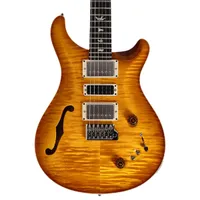
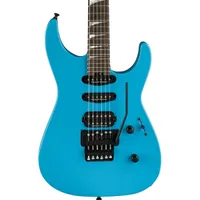
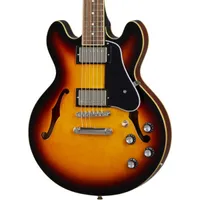
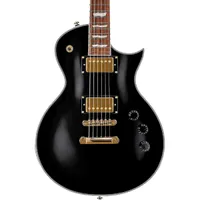
Also consider
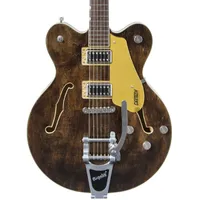
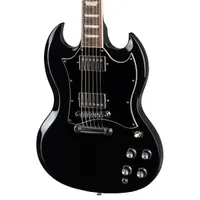
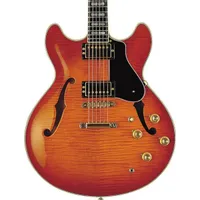
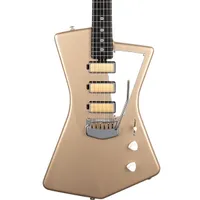
For me, the guitars listed above should cover the vast majority of guitarists needs. That said, there's a lot of different guitars out there to choose from so if they didn't quite hit the mark, here are some more great options for you.
How to choose

Electric guitars have personalities of their own, with different looks and feel that make choosing one a very personal decision. All the guitars on this list are superb in their own right, but that doesn’t mean that all of them will be perfect for you as some suit specific styles better than others. Whenever you are picking an electric guitar, some things you should be looking for are universal, such as build quality and reliability, which all of our picks have.
1. Consider your budget
You can trust Guitar Player. Our expert reviewers spend hours testing and comparing guitar products so you can choose the best for you. Find out more about how we test.
It’s common knowledge that an electric guitar can set you back thousands and thousands of dollars – and many of those instruments are beyond beautiful, with a tone to match. If you’ve got plenty of budget to play with, you’ll have no shortage of brilliant options and you may even be able to customize an electric guitar to your exact specifications.
If your budget is less vast, that doesn’t mean you’ll be limited, as there are plenty of affordable options that still represent great quality. There’s never been a better time to shop for an affordable guitar, with build quality and playability at an all-time high.
That doesn’t mean there aren’t bad electric guitars out there – there most certainly are – but by sticking to well-respected brands, such as Squier or Yamaha, you can be confident of their quality.
2. Decide on body shape
Whilst the body shape of a guitar is, of course, a largely aesthetic choice, there are other reasons it is worth thinking over. Some big-body guitars may not be the most comfortable to play for smaller individuals, and this can be a big compromise that really impacts the enjoyment of playing.
Certain shapes of guitars may also generally lean towards specific pickup types, so while you might like the shape, the tones might not be what you’re looking for. For example, you may love the Les Paul shape, but the single coil sound of a Stratocaster. While it’s not impossible to find single coil Les-Paul-style guitars, they are far less common and the switching on offer may not be exactly the same as a Stratocaster, so you may need to choose between looks and tone.
3. Identify your sound
Some guitars do work better for different genres – mainly because those guitars helped build that genre in the first place! If you want something Country-tinged, then a Telecaster that offers the kind of bite and presence that is perfect for chicken picking is ideal.
For jazzy playing with rounder, warmer tones, a hollow-body would be a great way to go, but this might be less ideal for high gain tones as hollow-body guitars suffer from feedback. Humbucking guitars are generally preferred for heavier genres, as they deliver higher output and produce fat gain sounds, whereas single coils are generally brighter and perfect for indie.
Just remember that, in guitar, there are no rules. You’ll see all sorts of unexpected electric guitars pop up across lots of genres, so if you are set on a specific instrument, don’t let style or genre hold you back.
4. Consider going leftfield
If you’re not interested in a classically-styled guitar, then that’s not a problem, there are plenty of manufacturers who have taken design to a new level. The likes of the Ernie Ball Music Man St. Vincent Goldie is a signature design that has taken styling in a drastic direction, but not at the expense of playability or tone.
If you’re looking for something with an unconventional sound, some guitars give you multiple switching options that allow you to blend pickups in various ways. Alternatively, you can find guitars with less common pickups, such as gold foil, or mini humbuckers. These still sound great, but offer a slightly different tone to standard single coils or humbuckers.
If you’re looking for something truly unique, high end manufacturers such as Gibson, Fender, and PRS have their own custom shop arm where extremely high end electrics can be designed to your exact specifications. These are some of the most expensive guitars money can buy, but they’re instruments of the highest quality and truly unique to each owner.
5. Neck profile and fingerboard radius
Neck profile is another thing to think about, as this can directly affect playability. What’s best for you boils down to personal preference, though many fast lead or shred-style players feel more at home with a thinner neck profile, while others find a chunkier, more vintage or rounded profile better – however those with smaller hands may find this uncomfortable.
Fingerboard radius can also play a part in how the guitar feels in your fretted hand, with a smaller radius (more curve on the fretboard) generally viewed as more comfortable, while a larger radius (flatter on the fingerboard) may be better for faster, sweep-style playing.
FAQs

How much does the neck profile matter?
The neck profile matters a lot. Think about it: your hand is in constant contact with the neck every time you play, so finding a comfortable profile should be near the top, if not at the very top, of your priority list. From a fairly standard 'C'-shaped profile that most players will get along with, to more traditional 'V'-shaped necks and modern ultra-slim options found on shred machines, they all feel different in the hand and can subtly influence how you play, meaning you may need to make small adjustments depending on the profile.
Although it's important to find a neck profile that's comfortable for you, I've always encouraged newer guitarists to try as many different profiles as possible and, if you can, avoid relying on just one. Being open to different neck shapes and persevering with unfamiliar profiles opens up a wider range of guitars to choose from. I've met plenty of players who dismiss otherwise excellent guitars simply because the neck feels different from what they're used to. Becoming comfortable with a variety of neck profiles gives you far more choice when it comes to buying guitars in the future.
What is fret sprout?
Fret sprout happens when the wood in your neck contracts, causing the metallic fret ends to protrude from the edges of the fingerboard. Since wood naturally contains moisture, changes in temperature and humidity can cause the neck and fingerboard to expand and contract over time.
If this happens significantly, the fret ends can become exposed and sharp enough to feel uncomfortable when moving your hand along the neck. In some cases, they can even catch against your hand while playing. Fret sprout can usually be fixed by filing down and rounding off the protruding fret ends, so if you notice it on your guitar, it’s best to take it to a trusted guitar technician for adjustment.
Do heavier guitars sustain better?
There isn't really a direct correlation between heavier guitars and longer sustain. While a guitar's mass can influence how vibrations transfer through the instrument, weight alone doesn't determine how long a note will ring out. The type of wood, construction, hardware, fretwork, and overall build quality all play a much bigger role.
Ultimately, tonewood can vary significantly between different pieces of the same species, meaning two guitars made from the same materials can behave very differently. Some heavy guitars have fantastic sustain, while some lighter options can ring out just as well, if not better. So although the age-old belief that a heavier Les Paul will automatically give you better sustain persists, chances are it's just going to give you a sorer shoulder.
What is the difference between SSS, HSS, and HH pickups?
These are different pickup configurations, with the main difference being the type and position of pickups installed on the guitar. These abbreviations describe the pickup layout, with the letters listed from the bridge pickup through to the neck pickup. 'S' stands for single-coil, while 'H' stands for humbucker.
With that in mind, an SSS configuration features three single-coil pickups, usually found on Stratocaster-style guitars. An HSS configuration combines a humbucker in the bridge position with single-coil pickups in the middle and neck positions, offering a mix of thicker humbucker tones and brighter single-coil sounds. An HH configuration features two humbuckers, one in the bridge and one in the neck, delivering a fuller and more powerful tone.
Do I need active pickups to play metal?
No, you don't necessarily need active pickups to play metal. A traditional passive humbucker is more than capable of chugging out gnarly riffs, and there are plenty of metal guitarists who don't use active pickups at all. Modern high-gain amplifiers, effects pedals and digital amp modelers can all provide more than enough gain for an aggressive metal tone.
That said, active pickups remain a popular choice thanks to their higher output, tight low end and excellent clarity under high-gain conditions. They can help produce a more focused, articulate sound, especially when playing fast, heavily distorted riffs. At the end of the day, active pickups certainly won't hurt your cause, but they aren't a necessity for playing metal.
Are made-in-America guitars worth the money?
Yes, in my opinion, made-in-America guitars are worth the money. That doesn't diminish guitars made elsewhere, though, as there are equally fantastic instruments built in Mexico, Japan, Korea, Indonesia and China. A guitar's country of origin doesn't automatically determine its quality.
That said, American-made guitars typically feature premium tonewoods, higher-spec hardware and should go through meticulous quality control. They're also often the flagship models from brands with decades of heritage and craftsmanship behind them. While you'll usually pay a premium for a US-made instrument, that premium often goes towards the materials, attention to detail and overall finish.
I was lucky enough to be gifted a US-made Fender Stratocaster when I was eight years old and it's still with me more than 20 years later. That's a testament to the build quality and longevity that many American-made guitars can offer.
Is it safe to buy a guitar online without playing it first?
There's always a slight risk when buying a guitar without playing it first, especially if you're a beginner. More experienced players usually have a good idea of what they like, whether that's a particular neck profile, fingerboard radius, body shape or pickup configuration. That reduces the risk, but even then, you never truly know how a guitar will feel until you've spent some time with it.
Having worked in a guitar store for 10 years, I've seen countless players come in convinced they knew exactly what they wanted, only to leave with a completely different guitar after discovering one that suited their playing style far better. That's why, if you're new to playing, I'd always recommend trying a few guitars in person if you have the opportunity.
If you do decide to buy online, make sure you're purchasing from a reputable retailer with a good returns policy. That way, if the guitar doesn't feel comfortable, doesn't suit your frame, or the neck isn't quite right for your hands, you have the option to exchange or return it.
What is roasted maple, and do I need it?
Roasted maple is maple that has been baked in a high-temperature kiln to significantly reduce its moisture content and increase its stability. This makes the wood less susceptible to changes in temperature and humidity, which in guitar necks helps it remain more stable over time. It can also make fret sprout less likely, as roasted maple is generally less prone to shrinking and swelling than untreated maple. As an added bonus, the roasting process gives the wood a beautiful caramel color that feels incredibly smooth and looks fantastic.
Do you need it? Not necessarily. Standard maple has served guitarists brilliantly for decades and continues to do so. Roasted maple also tends to come with a slightly higher price tag. However, if you can afford it, live in a climate with significant temperature and humidity changes, or simply love the look of it, it's a nice feature to have.
Do I need a specific guitar for use with plugins?
No, you don’t need a specific guitar for using plugins. A plugin is a piece of software that processes the audio signal from your guitar after it has been connected to your computer through something like an audio interface. As long as your guitar has a pickup system with an output jack that allows you to connect using a ¼-inch guitar cable, you’re good to go.
A good way to think about it is this: if your guitar can be plugged into a standard guitar amplifier, it will work with a guitar plugin. The main difference is that instead of sending your signal to an amp, you’re sending it through software that can recreate the sound of different amplifiers, effects pedals, and recording setups.
Are stainless steel frets better than traditional metals like nickel?
Yes, stainless steel frets are better than traditional nickel-silver frets, especially when it comes to longevity. Stainless steel is much more durable and resistant to wear, meaning your guitar will likely need fret dressing or a refret far less often compared to a guitar with traditional nickel frets.
As for the tonal difference, I think it's negligible. Some players believe stainless steel frets sound slightly brighter than nickel-silver frets, but in my experience, this has never been something I've noticed while playing. The bigger difference is in how long they last and how smoothly they feel under your fingers. The downside is cost. Stainless steel frets are more expensive, so guitars equipped with them often come with a higher price tag. However, if you plan on keeping your guitar for many years and don't perform your own fret maintenance, the extra cost could save you money in the long run.
Do I need locking tuners if I don’t have a tremolo?
You don’t need locking tuners if you don’t have a tremolo, but if you appreciate the speed and convenience they offer when changing strings, they can still be a worthwhile upgrade. Locking tuners secure the string at the tuning post, reducing the need for multiple wraps and making restringing much quicker and easier.
They can also help improve tuning stability by reducing unwanted string movement, although their benefits are most noticeable on guitars with tremolo systems. I have locking tuners on my Fender Nashville Player Plus Telecaster, and I love how stable they feel while also making string changes much faster. So no, locking tuners aren’t essential, but if you value easier maintenance and quicker restringing, they’re a great feature to have.
Is there a big difference between a laurel and rosewood fretboard?
There isn’t a huge difference between laurel and rosewood fretboards, with the biggest difference usually coming down to appearance. Both are popular fingerboard woods with a smooth feel, but rosewood is typically darker in color and is often associated with more premium, higher-priced guitars.
Laurel tends to have a lighter, more varied appearance and can sometimes look a little different from traditional rosewood, although some examples can look remarkably similar. For an electric guitar, the fingerboard wood generally has a very subtle impact on tone compared to factors like pickups and amplification, so the choice mostly comes down to aesthetics, feel, and personal preference.
Are used guitars still a better deal than buying new?
Most of the time, yes. Buying a used guitar will usually save you money compared to purchasing the same model brand new. There are plenty of great deals to be found on the second-hand market, and you can often pick up a fantastic instrument for significantly less than its original retail price.
However, there are some trade-offs. When buying used, especially from a private seller, you may not have the same warranty coverage or buyer protection that comes with purchasing from a retailer. Reputable guitar stores are also much more accountable if something goes wrong or the instrument isn’t as described.
Buying privately can also be more difficult if you aren't local to the seller. You may not have the opportunity to try the guitar first, and returning it can be much more complicated if you discover an issue after purchase. If you’re confident in what you’re looking for, though, the used market can be one of the best ways to find a great guitar at a lower price.
Key terms
- Action: Refers to the height of your guitar strings in relation to your fingerboard.
- Active pickups: Guitar pickups powered by a battery, popular in high-gain genres thanks to their high output, clarity and tight response when playing distorted tones.
- Bolt-on: A type of guitar neck that is bolted onto the body instead of set and glued into the body. Many Fender guitars use bolt-on necks, which are easier to manufacture and replace if needed.
- Case candy: A nickname given to the extras you get in your guitar case when you buy it new, like a tremolo arm, manufacturer booklets, stickers, or other accessories.
- Coil split/tap: These are features found in some pickups. Coil splitting turns off one half of a humbucker to create a more single-coil-like tone, while coil tapping uses only part of a pickup’s winding to alter its output.
- Evertune: A type of bridge that keeps your guitar extremely in tune by using a combination of springs and levers that compensate for changes in string tension caused by stretching, bending, and temperature changes.
- Floating tremolo: A tremolo system that floats within the body cavity, allowing you to move the tremolo arm both forwards and backwards to raise or lower pitch.
- FRFR (Full Range Flat Response): A speaker type used with digital modelers that is designed to reproduce your signal accurately without the coloration of a traditional guitar speaker. This allows your amp modeler and effects to sound closer to the intended models.
- Fret sprout: Fret sprout happens when your fingerboard wood contracts, causing fret ends to protrude beyond the edges of the fingerboard. If severe, these exposed fret ends can feel sharp and catch against your hand while playing.
- GAS (Gear Acquisition Syndrome): A term used by guitar players to describe the ‘bug’ people get for buying guitar gear, sometimes despite not necessarily needing it. It can become addictive if you constantly find yourself wanting new equipment.
- Hardtail: A type of fixed bridge that does not move like a tremolo system. It provides excellent tuning stability, although it won’t allow you to use a tremolo arm.
- HSS / HH / SSS: Three different pickup configurations, listed from the bridge pickup through to the neck pickup. HSS features a humbucker in the bridge position and single-coils in the middle and neck positions. HH features humbuckers in both the bridge and neck positions, while SSS features three single-coil pickups.
- Humbucker: A type of pickup developed to reduce the 60-cycle hum associated with traditional single coils. It uses two coils wired in opposite polarity to cancel unwanted noise while producing a thicker, fuller tone.
- Locking tuners: Types of tuners that lock the string to the tuning machine post. They are useful for improving tuning stability, especially on guitars with tremolo systems, but can also be found on hardtail guitars. They also make string changes quicker and easier.
- MIA / MIM / MIJ / MIC: Abbreviations relating to where your guitar is made: Made in America, Made in Mexico, Made in Japan and Made in China.
- NGD (New Guitar Day): A term used by guitar players to describe the day they receive or buy a new guitar.
- Nitro (Nitrocellulose): A traditional guitar lacquer used as a finish. Compared to modern poly finishes, nitro is thinner and ages differently over time. It can react with rubber stands and other materials if not protected properly.
- P90: A single-coil pickup design known for having more output and midrange warmth than traditional single-coils, while retaining some of their brightness and clarity.
- Poly (Polyurethane/Polyester): A modern guitar finish commonly used as an alternative to nitrocellulose lacquer. Poly finishes are durable, resistant to wear and require less maintenance.
- Pot (Potentiometer): A component that controls the volume or tone of your guitar. Volume and tone knobs are connected to potentiometers, which adjust the electrical signal from your pickups.
- Radius: This refers to the curvature of your guitar’s fingerboard. A smaller radius feels more rounded, while a flatter radius is often preferred by players who like bending and faster lead playing.
- Relic: A guitar finish designed to replicate the appearance of an aged instrument. Relic guitars can be artificially aged by manufacturers or naturally develop wear over time.
- Roasted maple: Maple that has been heat-treated in a kiln to reduce moisture content and improve stability. The process also gives the wood a darker caramel color and a distinctive appearance.
- Scale length: The distance between the nut and the bridge saddle.
- Setup: The process of adjusting a guitar’s components to optimize playability. A setup can include adjusting the truss rod, action, intonation, and pickup height.
- Single-coil: A type of guitar pickup that uses a single coil of wire wrapped around magnets to capture string vibrations. Single-coils are known for their bright, clear tone but can produce more noise than humbuckers.
- Stainless steel frets: These are durable guitar frets made from stainless steel, a harder material than traditional nickel frets. They last longer, feel smooth under the fingers, and require less frequent maintenance.
- Through-neck: A neck construction method where the neck runs continuously through the body of the guitar, with the body sections attached on either side. This design is known for excellent sustain and smooth upper fret access.
- Tonewood: The type of wood used in a guitar’s construction. Different woods can influence the instrument’s appearance, weight, feel, and tone.
- Truss rod: A metal rod inside the guitar neck that allows adjustments to the neck’s curvature. It helps counteract string tension and is used during setups to achieve the correct amount of neck relief.
How we test products

At Guitar Player, we live and breathe everything guitar related. It's our passion and we certainly hope this passion comes through in our buyer's guides. Everyone at Guitar Player is an expert in their field and we draw on this knowledge and experience when selecting the products for our guides.
When choosing what we believe to be the best electric guitars available right now, we combine our hands-on experience, user reviews and testimonies and engage in lengthy discussions with our editorial colleagues to reach a consensus about the top products in any given category.
When making our lists, we pay careful consideration to everything from budget to feature set, playability and durability to come up with an accurate representation of the best electric guitars available right now.
Read more on how we test gear and services at Guitar Player.

