

In the April 1988 issue of Guitar Player, Joe Walsh shared with us "what I consider to be the 12 best all-time-forever guitar solos.
"They aren’t in any particular order," he said. "I don’t think the first one is better than the fifth one. My next favorite dozen solos would be by people who stole all the licks from these 12 guys, including me!"
Nearly 40 years on, it still makes for good reading. As for the solos, they're timeless.
“Stood Up” — Joe Maphis
“Joe Maphis on Ricky Nelson’s ‘Stood Up’ or James Burton on ‘Fools Rush In’ [from Ricky Nelson] — wow! Those guys and Carl Perkins — ‘Blue Suede Shoes’ and all that stuff — didn’t have anybody to listen to. They didn’t know what they were doing. They didn’t even know it was rock and roll. They didn’t have a chance to study John Mayall’s Blues Breakers or Jimi Hendrix or Jeff Beck.
“I respect those guys because they didn’t cop any licks. They made those licks up, and that’s the foundation that all of us guitar players learned from. James Burton often played some incredible stuff with Ricky Nelson.”
“Walk—Don’t Run” — Bob Bogle
“I don’t really know if it’s a solo or not, but I’d have to say that ‘Walk—Don’t Run’ by the Ventures changed an awful lot of guitar players’ lives. It was one of the foundational instrumentals. It made instrumentals okay to do, and it led the way for things like the Surfaris’ ‘Wipe Out,’ the Tornadoes’ ‘Telstar’ and the Rockin’ Teens’ ‘Wild Weekend.’ It had been done before [by Johnny Smith as well as Chet Atkins], but with the Ventures, America discovered the tremolo bar.
“I didn’t even play guitar at that time, but I loved ‘Walk—Don’t Run.’ I was 13 when that came out in ’60, and I borrowed a guitar just to learn how to play that lead part. At the time, my mom was making me practice a stupid metal clarinet in orchestra.
“A lot of people ended up playing guitar because of that song. We used to look at the album cover of The Ventures and nobody could believe that there was a Fender Jazzmaster and a Fender Strat and a perfect Precision. Later on, the Ventures went to Mosrites, and those guitars stink!
“But that band and that particular song really paved the way for a whole new approach to instrumentals, and lead guitar became so much more important in the song.”
“Stairway to Heaven” — Jimmy Page
“Jimmy Page’s ‘Stairway to Heaven’ solo is amazing. That’s classic Page. He is unique; he just comes from a different part of the cosmos. That whole song is his finest moment, and it’s one of the finest things ever in rock and roll.
“Jimmy says he used his Fender Tele for the solo in ‘Stairway to Heaven,’ but it sounds like it was done with the ’59 sunburst Gibson Les Paul that I gave him and he uses. I had that in the James Gang.
“I was just meeting him, and he said, ‘Man, I’ve got to get a Les Paul because I’m tired of this Telecaster. I can’t find one, and I’ve got to go back to England. It looks like the Yardbirds are going to break up, and every time I go into a store, the price goes up. $3,000.’
“At the time, he didn’t have that kind of money. I had a line on another Les Paul, so I gave him mine.”
“Jeff’s Boogie” — Jeff Beck
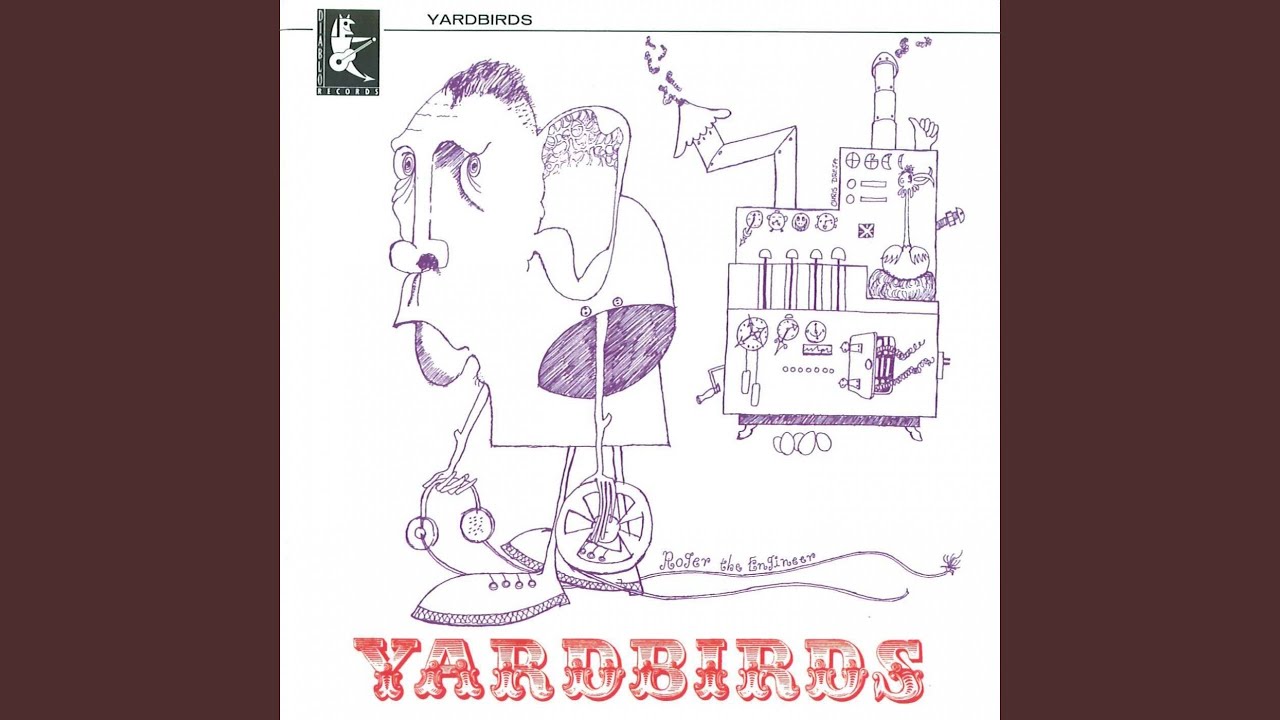
“The Yardbirds’ ‘Jeff’s Boogie’ is pretty tough stuff. That was on Over Under Sideways Down. From what I can tell from Jeff’s technique in the early days, he studied Django Reinhardt and especially Les Paul. ‘Jeff’s Boogie’ was just a boogie shuffle, played with his old Telecaster that Seymour Duncan has now.
“That song has probably the finest collection of unique licks and tricks. At that point, Jeff’s licks and tricks were so far ahead of any American player. He epitomized the image of the lead guitar hero, and there was this mystique about the Yardbirds.
“Clapton was the original guitar player, then Jeff, and then Jimmy Page took over. They were it — the heaviest guitar players were or had been in the Yardbirds. And ‘Jeff’s Boogie’ — that shook me so much. I can play it note for note, but it took me a long time to figure all that out.”
“Crossroads” — Eric Clapton
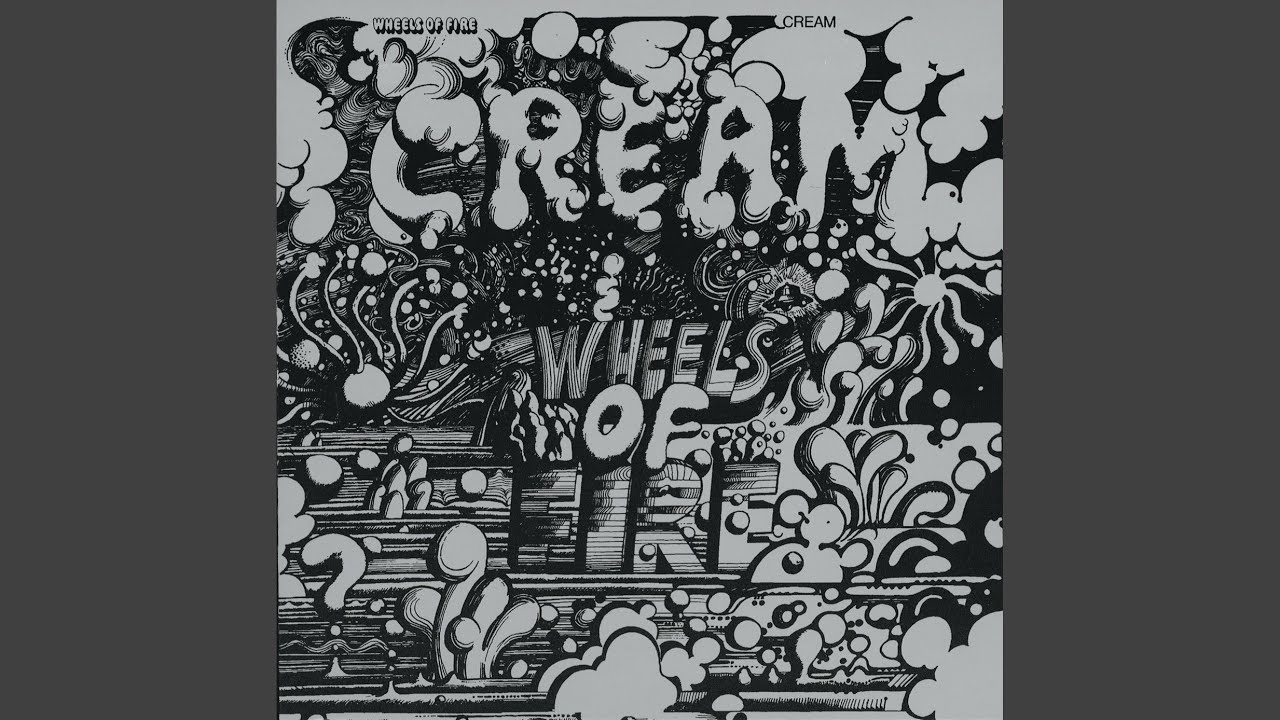
“The Cream album with the live ‘Crossroads’ on it [1968’s Wheels of Fire] — that shook me up pretty good. ‘Badge’ and ‘Sunshine of Your Love’ are nice, but Eric Clapton’s work on ‘Crossroads’ is some testifying. He just got going.
“The James Gang played with Cream in Detroit once at the Grande Ballroom, and I sat right in front of Eric. His ‘Crossroads’ that night was very similar to what’s on [Wheels of Fire], but to hear anybody go like that for a good six minutes — incredible guitar. I was completely overwhelmed with the vast resources that Eric had, which so many other guitar players aren’t aware of.
“He never played the same lick twice in that solo, and I have the gut feeling that it was absolutely spontaneous. During that tour, he probably never played it the same two nights in a row. He was just blowing so freely! He and the guitar were one thing. You know, over the process of a tour, you kind of lock into — well, it gets to be like charts toward the end of the tour.
“I love ‘Crossroads’ because he was screaming. I mean, it’s the classic, total Clapton Get out of the way! I don’t care what you think; get out of the way. I’m not done playing yet!”
“And Your Bird Can Sing” — George Harrison & Paul McCartney
“George Harrison and Paul McCartney on ‘And Your Bird Can Sing’ is pretty darn good. It’s a two-note solo and has an amazing voicing.
“I thought that George played that all at once, and I spent 15 minutes a day for maybe three weeks learning that solo note for note. In the very early James Gang in Cleveland, that was something that I could do that nobody else could do.
“It was like, ‘There’s this kid in the James Gang, and his name’s Walsh.’
‘Yeah, well, what about him?’
‘He can play “And Your Bird Can Sing!”’
“Years later, I got a chance to hang out with Ringo Starr and I asked him how in the world George did that. Ringo said, ‘He couldn’t! He double-tracked it.’ [In fact he and McCartney recorded the harmonized solo together.] I said,
‘You’re kidding. You mean I’m the only person on the planet that can play it?’ [laughs] Three weeks of my goddamned life — I wish I would have known that back then!”
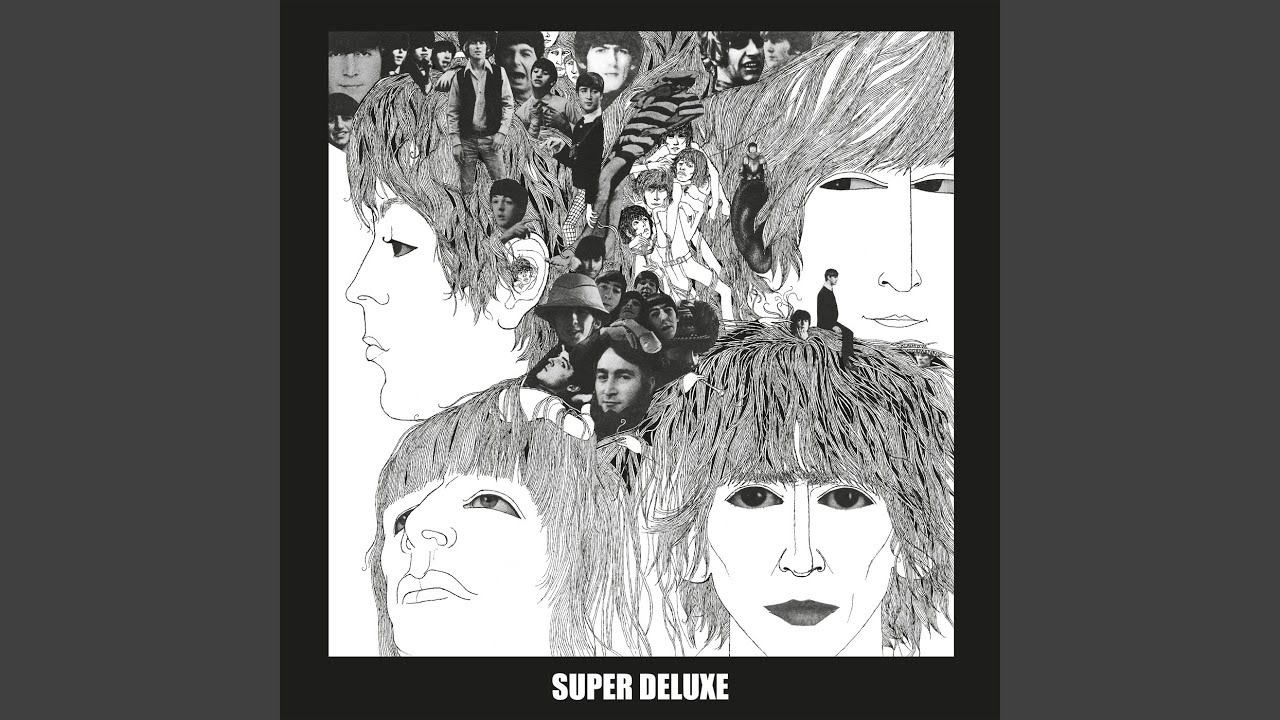
“How High the Moon” — Les Paul
“Les Paul was one of the innovators of the early electric guitar, and he invented the trick of speeding the tape recorder up and slowing it down. You can hear that in ‘How High the Moon.’
“That song was influential to Jeff Beck. To me, Les Paul is very much it. Django Reinhardt is also someone to study, but you had to really be into him. Les Paul is just incomprehensible. And Chet Atkins, too, of course.”
“Purple Haze” — Jimi Hendrix
“‘Purple Haze’ blew everybody apart. It was like you almost had to be on acid to conceive what he was playing. You know, one of the reasons people have such a hard time playing like Jimi is that he used an upside-down right-handed Strat, so he had his tremolo bar on the top, by the low-E string. It’s so hard to play like that when you have a regular Strat with a tremolo bar below the high-E string. It requires a different technique.”
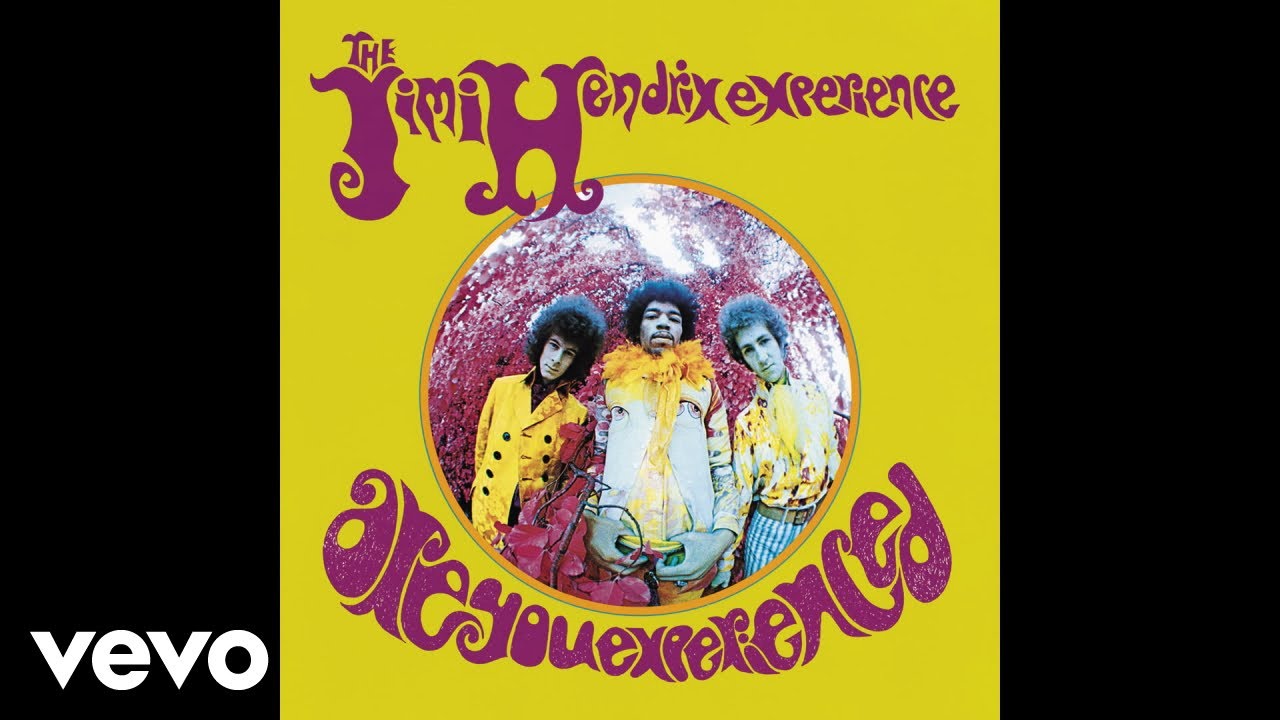
“Statesboro Blues” — Duane Allman
“Duane was it on slide. He’s really responsible for me learning how to play slide, and he’s the best that there’ll ever be. It’s incredible slide playing — the tone, his right-hand touch. He was ridiculously amazing.
“Duane and I were both born on the same day — November 20, 1947. I met him a couple of times — the James Gang, Allman Brothers, and Chuck Berry did some gigs — and Duane was nothing but a total gentleman. He played most of his parts in standard tuning, but he showed me the E tuning [low to high, E B E G# B E], which is what I use.
“He said, ‘Look. Go to the drugstore and get some Coricidin. Throw all the pills away, and use the bottle.’ That was his sound. They don’t make those bottles anymore; they have plastic bottles now. But the glass — instead of a chrome slide — is how he got his tone. Glass has such a wonderful texture.
“You know the picture of us on the motorcycle on James Gang Rides Again? When Duane wiped out, I got superstitious, and after about a week, I never rode my motorcycle again. I figured I’d rather drink beer, and you can’t do both. I got no business on a motorcycle; I’d rather play guitar and drink beer. I love Duane, and I dearly, dearly miss him. Imagine what he would have done if he were still alive.”
“Personal Manager Blues” — Albert King
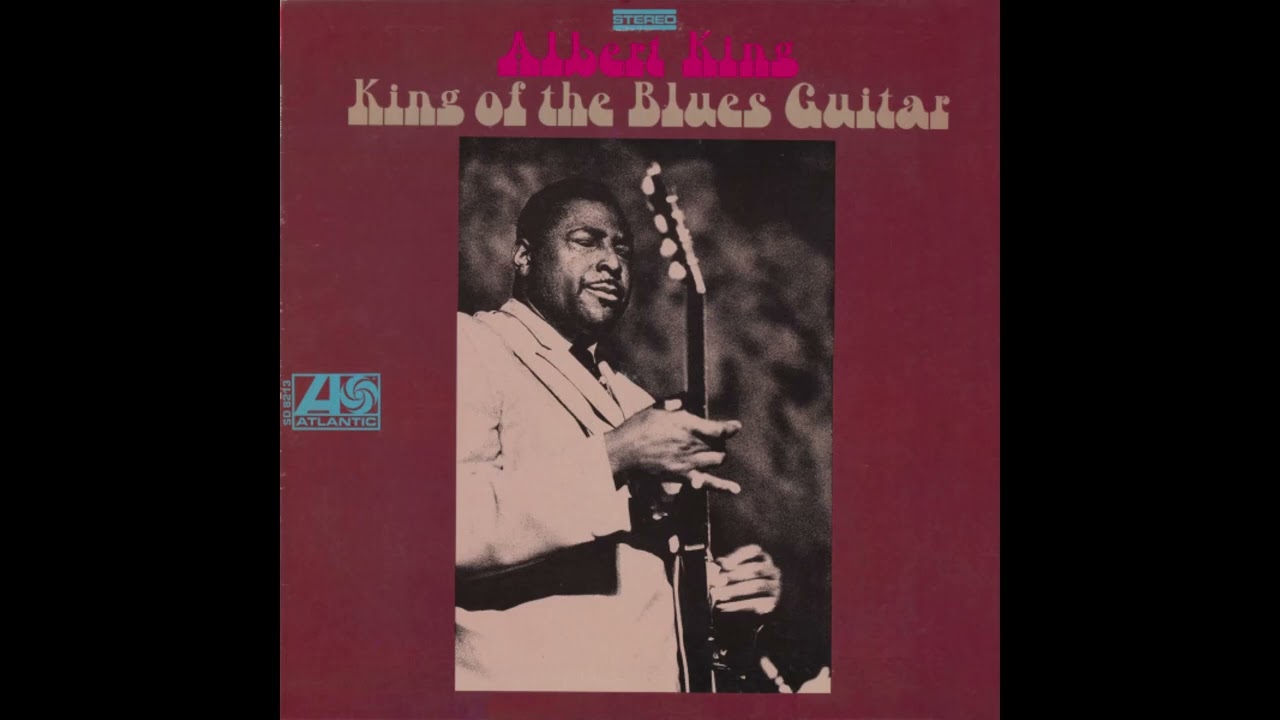
“Albert King just hit it in ‘Personal Manager Blues’ It’s the classic, left-handed, strung-upside-down blues. It’s a favorite of mine because it’s some of the finest, simple, less-is-more guitar work that there is. Albert is so soulful, and he gets into those bends that right-handed guitarists have such a hard time comprehending.
“That’s why nobody can hardly play like him. It has to do with the direction of the bend, since he strings his guitar with the highest strings on top [toward his chin].”
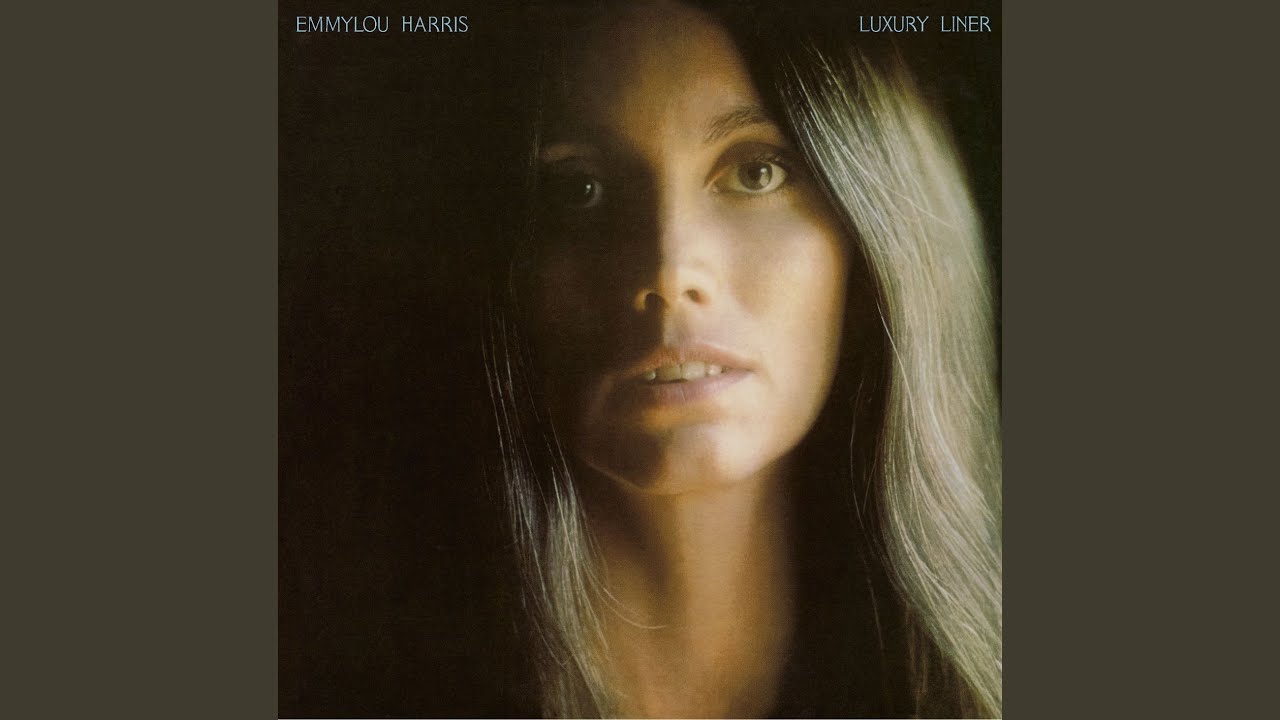
“Luxury Liner” — Albert Lee
“Albert Lee really goes for it with Emmylou Harris, especially on his ‘Luxury Liner’ solo. That’s pretty much studying the James Burton and Joe Maphis styles.
“Albert is just so smooth. He has a ’53 Tele, and it’s all three-fingered picking; he doesn’t really use a pick. I can’t even comprehend what he’s doing. I tried to listen to it to figure out what he’s doing, and I gave up. I said, ‘Forget it!’
He plays weird scales that have to be played with a certain left-hand position. It’s a whole style all by itself. He’s brilliant at that, and I envy him. He makes me really, really nervous.
“It’s funny: He’s one of the guys who’s very nervous to get onstage with me — ’cause I can blow him away in certain styles — but when he cranks and gets going, I feel like a fucking idiot!”
Leo Kottke
“Anything that Leo Kottke ever recorded is one of my top 12 solos. Ah, man, he’s [whistles]. He’s very tough and unique, and I love him. John Fahey and Bert Jansch are good, too, but nobody can touch Leo Kottke on acoustic 12-string bottleneck.”
