
There’s no doubt you've heard Brent Mason play guitar. He’s appeared on records by Alan Jackson, Dolly Parton, Tim McGraw, Brooks & Dunn, Vince Gill and Trisha Yearwood, as well as hundreds of others. His work has been heard in dozens of movies, including Bridget Jones's Diary, A Few Good Men and The Thing Called Love, as well as on such TV shows as Friends, Becker and King of the Hill.
His guitar playing have even appeared during commercial breaks for products like Budweiser, Country Time Lemonade, Dodge Trucks, Revlon and countless others. To top it off, he’s in both the Musician’s Hall of Fame and the Country Music Hall of Fame Nashville Cats.
Since arriving in Nashville in the early 1980s, Mason has put his impeccable chops and uncanny versatility to ubiquitous use, making the multiple-award winner Music City's first-call picker and one of the most recorded guitarists in history.
Why have so many top-flight stars and producers called upon Mason's services?
“Man, I wish I could tell you,” he says with a laugh. “Then I could bottle it and sell it.”
Mason launches into a story about how, several years ago, he heard some fine guitar playing while relaxing on his back deck.
“My neighbor was cranking tunes next door, and the music was coming out through his opened windows,” he says. “This song by Alabama came on, and man, the guitar solo was hot! Some guy was playing a Tele and doing three-part harmonies. I was like, ‘Wow, that guy’s good.’
“Then it dawned on me: Wait a minute. That’s me! I sound amazing!
“I’ve done so many sessions, I forget ‘em sometimes.”

Pausing a moment to reflect, Mason offers this assessment of his popularity among artists and producers.
“I think it all comes down to timing, like so many things,” he says. “I was the right player at the right time when I hit Nashville”
He chuckles. “Of course, I had to wait a little while for people to realize that, but once they did get an earful of what I could do, it sounded right to them.”
What sounded right to so many Nashville record makers was the fact that Mason, along with cohorts like bassist Glenn Worf and drummer Lonnie Wilson, didn't fit in with the pristine, direct-recorded sound that had become de rigueur on country-oriented albums during much of the 1980s.
“They were doing a lot of things digitally, and they had stopped using amps on records,” Mason recalls. “You plug straight into the board, and that takes the edge off the guitar.
“I don't want to sound derogatory, but they were making records sound a little fluffy and sweet—a little too polite.
“So what we did was try to bring in more of a raucous sound, like you just walked into a club and were hearing a band tear it up. I'd go to sessions with an old, smoky amp, and I brought the roadhouse with me. That sounded pretty good with Brooks & Dunn, Alan Jackson and all the others.”
(For the record, it was his blazing solo on Jackson's “I Don't Even Know Your Name” that made Nashville sit up and ask, “Who the hell is Brent Mason?” )
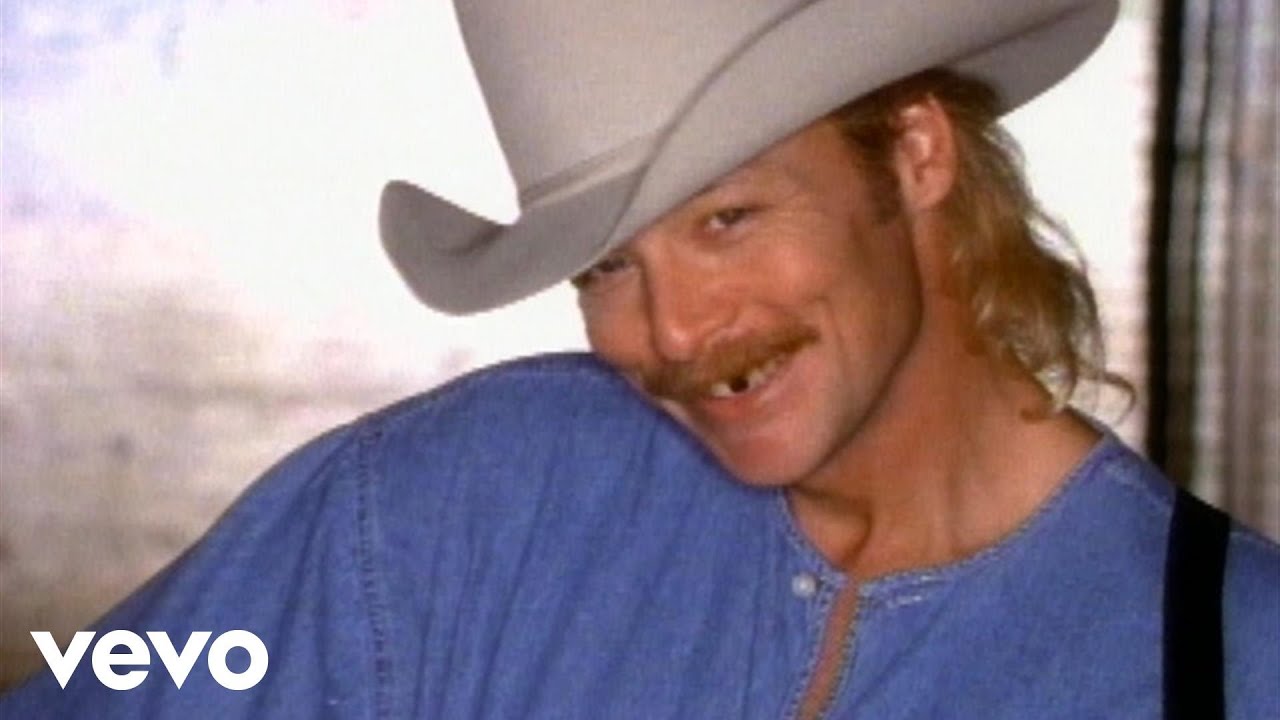
Mason's path to session-king status began early, while growing up in Grover Hill, Ohio, “It was farmland in the middle of nowhere,” he says. “The nearest city was Fort Wayne, Indiana.” He picked up the guitar at the age of five and taught himself to play by listening to records by Merle Haggard, Chet Atkins and Buck Owens. When Mason's father, a keen country music fan, brought home a copy of Jerry Reed's Nashville Underground, the effect it had on his young son was profound.
“Jerry was unbelievable,” Mason enthuses. “Such command of the guitar. I was blown away. I studied him like you wouldn't believe, just copying every lick he played. He became a real idol of mine’
Shunning lessons, Mason continued his private study course into his teens, copying guitar parts off records and studying album sleeves for credits.
“I committed everything to memory,” he says. “I was more impressed with the session guys than the actual stars on the front cover. I listened to what Reggie Young was doing,” he says, referring to the guitarist heard on tracks by everyone from Elvis Presley to Johnny Cash to Willie Nelson. “I picked apart his licks.
“And Roy Nichols, who played with Merle — I was listening to him. I was already grooming myself to be a session player. I just wanted to come to Nashville, where it was like a melting pot of everything. I wasn't sure how I was going to go about it, but I wanted to get into the business somehow.”

Mason arrived in Nashville after completing high school. Armed with his first electric guitar, a Hagstrom, he set out on his mission to infiltrate the studio session scene.
“It’s like a club nobody invites you to join,” he observes. “You have to crash your way in.”
With doors not exactly swinging open, Mason hit the nightclubs, landing a steady gig with a local Top 40 outfit, the Don Kelley Band.
“I figured I stood a good chance of getting noticed if people saw me playing live,” Mason explains. “This went on for a few years.”
During this time, he sidelined his Hagstrom for a 1968 Telecaster that he purchased for $300 at Hewgley’s Music Shop just outside of Nashville.
“I really wanted a Les Paul and a Tele, but I couldn't afford both,” he explains. “So I stuck a mini humbucker in the neck position and had two single-coils in the middle and bridge. It worked really well. I played that guitar for years.”

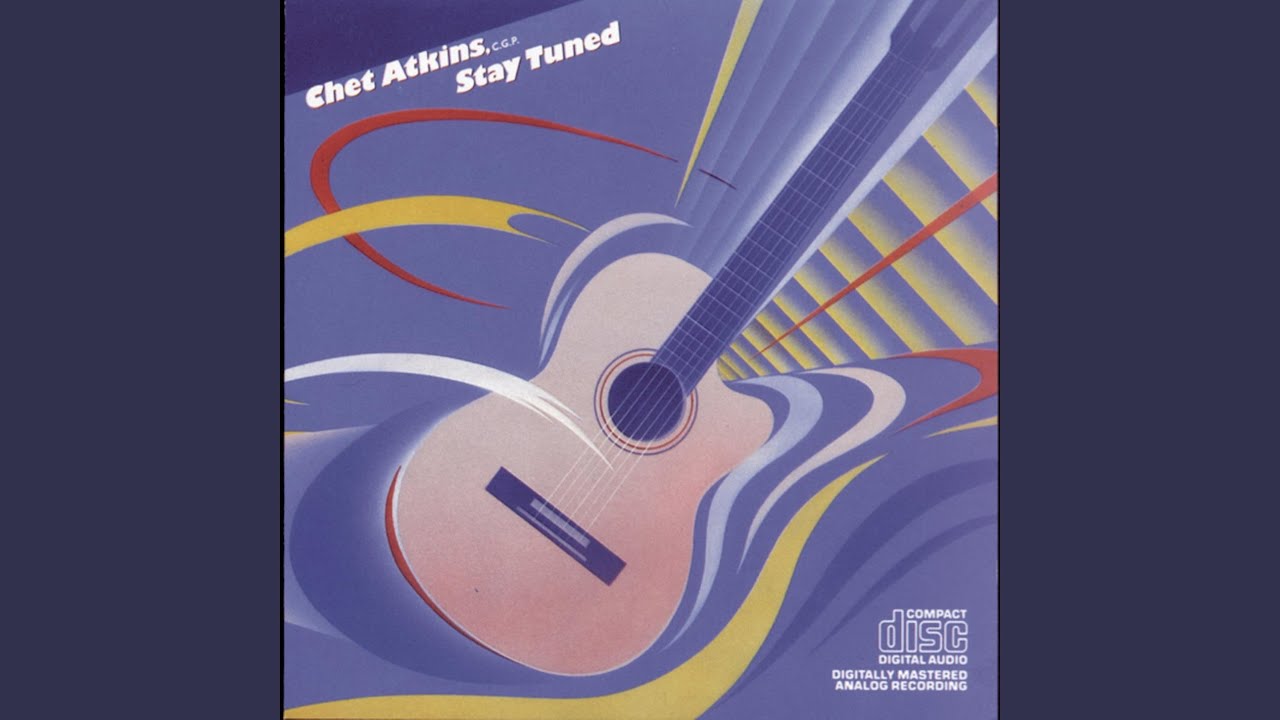
Just when it seemed as if Mason's club tenure would continue indefinitely, opportunity came knocking in the most unexpected of ways. Chet Atkins, who was working on a record called Stay Tuned, on which he played alongside other guitar greats, walked into a club with his buddy George Benson. The two were suitably impressed by Mason's playing, and after the set Atkins approached the unknown guitarist and asked him if he'd like to play on song that would also feature Mark Knopfler.
“It was crazy,” Mason says with a laugh. “I was looking at my calendar book and trying to act cool, like, ‘Yeah, I think I could fit that in’ Meanwhile, I'm flipping out. It was like, ‘Are you kidding? This can't be happening!’”
Mason's lively playing on the jazz-rock “Some Leather and Lace” neatly complemented the nimble lines of Atkins and Knopfler, and it was the first real signal to Nashville's munic elite that an exciting new talent was in their midst.
But the guitarist had another trick up his sleeve: his songwriting. “I was recording demos of my songs, which people liked, but they all said the same thing ‘Hey, who's playing guitar on that?’” he recalls. “Pretty soon, people started asking me to play on their records.”
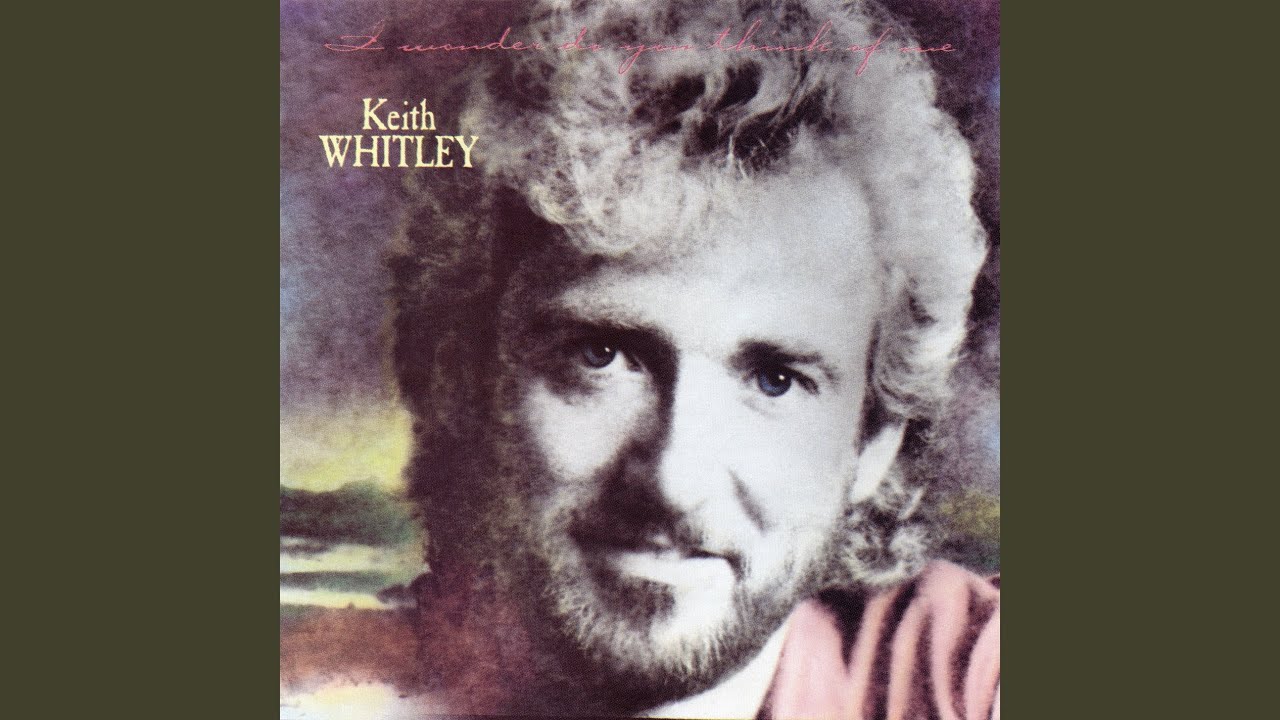
The floodgates opened in a major way after Keith Whitley not only decided to record one of Mason's originals, “Heartbreak Highway.” but also asked the guitarist to play on the track. (Sadly, the cut appeared on Whitley's 1989 album, I Wonder De You Think of Me, which was released three months after his alcohol-related death.)
Starting in the early 1990s, country music began to dominate the Billboard charts, and for the next couple of decades Mason was living the studio life that he had dreamed about as a teenager.
“Every room in town was booked night and day,” he says. “I was working all the time. One week I'd do a Tim McGraw album, another week I'd have Faith Hill, and then the next week I'd be working with Lee Ann Womack. Then it would be Alan Jackson or Brooks & Dunn, and then it'd be Reba McEntire.
“It went like that for years. I used to read about how things were with the Wrecking Crew back in the States. We were experiencing the same kind of thing.”
So back to that first question about what it takes to have Brent Mason’s success. It might have something to do with listening as much as — and as well as — you play.
“You gotta watch out when you go in there,” he told Guitar World earlier this year. “Studio musicians like to play a song, jam and get loosened up to check and see if everything is clicking. But sometimes you can play too much.
“You’ve really gotta listen to the vocalist and mark down on your chart where the fields go, make sure you’re off the vocal point and make sure you understand what the artist wants.”
It’s as simple as asking, he says.
“A lot of times, you can ask the artist, ‘Hey, give me your vision of what you’re looking for on this.’ Then you can sit down with a pen and pad of paper and take notes — if you want to look real dignified.”
He laughs.
“Or you could just nod your head, and go, ‘Yeah, I got you!’”
Part of this story originally appeared in Guitar Aficionado, Volume 9, Number 3.

