
Rush’s reunion has become one of progressive rock’s biggest stories in years. Guitarist Alex Lifeson and bass guitarist Geddy Lee have credited their six-decade friendship for the band’s rebirth, six years after the death of drummer Neil Peart.
But how did they find their way back to performing as Rush?
As the pair explain in a new interview, it began with weekly jam sessions — a simple return to the dynamic that first brought them together as teenagers.
“When we first met in junior high school, we sat beside each other, and we laughed,” Lee tells The Guardian. “He’s the funniest guy I’ve ever known, and I make him laugh, too. Everybody wants to have a bestie like this guy.
“When we were in junior high, we would get together and play,” Lee adds. “Music was what drove us as buddies.”

From those early rehearsals, the band evolved from budding hard rockers into progressive-rock pioneers. An early tour supporting Rory Gallagher proved formative for Lifeson’s development, and the trio soon moved beyond their early nods to Led Zeppelin and The Beatles to forge a distinctly original sound.
When Rush left the stage at the Los Angeles Forum in August 2015, however, it appeared to be the end. Peart had already made clear his desire to retire from touring before the R40 farewell run began, and his death from brain cancer five years later seemed to close the door definitively.
In the years that followed, Lifeson and Lee continued to meet and play. But when they tried revisiting Rush material, reality hit hard.
“We were so bad,” Lifeson admits.
They had briefly discussed regrouping after appearing with Dave Grohl at the 2022 Taylor Hawkins Tribute Concert. Plans were floated, but Lifeson ultimately stepped back.

When the idea resurfaced, Lee forced a decision.
“I told Al: ‘Look, we’re either doing this or we’re not doing it. I can’t talk about it every two years,’” he says. “Because time marches on, and I don’t know how much time we have. So if we’re going to do it, we do it now. If we don’t, fine — let’s just not talk about it.”
This time, Lifeson was in.
Time marches on, and I don’t know how much time we have. So if we’re going to do it, we do it now. If we don’t, fine — let’s just not talk about it.”
— Geddy Lee
The next challenge was finding a drummer capable of honoring Peart’s legacy while bringing something new. They turned to 42-year-old jazz-fusion player Anika Nilles, who came recommended after working on a Jeff Beck tour. A five-day audition was arranged — and it nearly fell apart.
“The first four days were up and down; she was nervous, she was jet-lagged, and we were unsure,” Lee recalls. “We had a little chat before the last day — ‘I don’t know, Al, is this going to work?’”
They weighed her strengths — her work ethic, her “deep knowledge and deep technical ability” — and agreed not to make a hasty call.
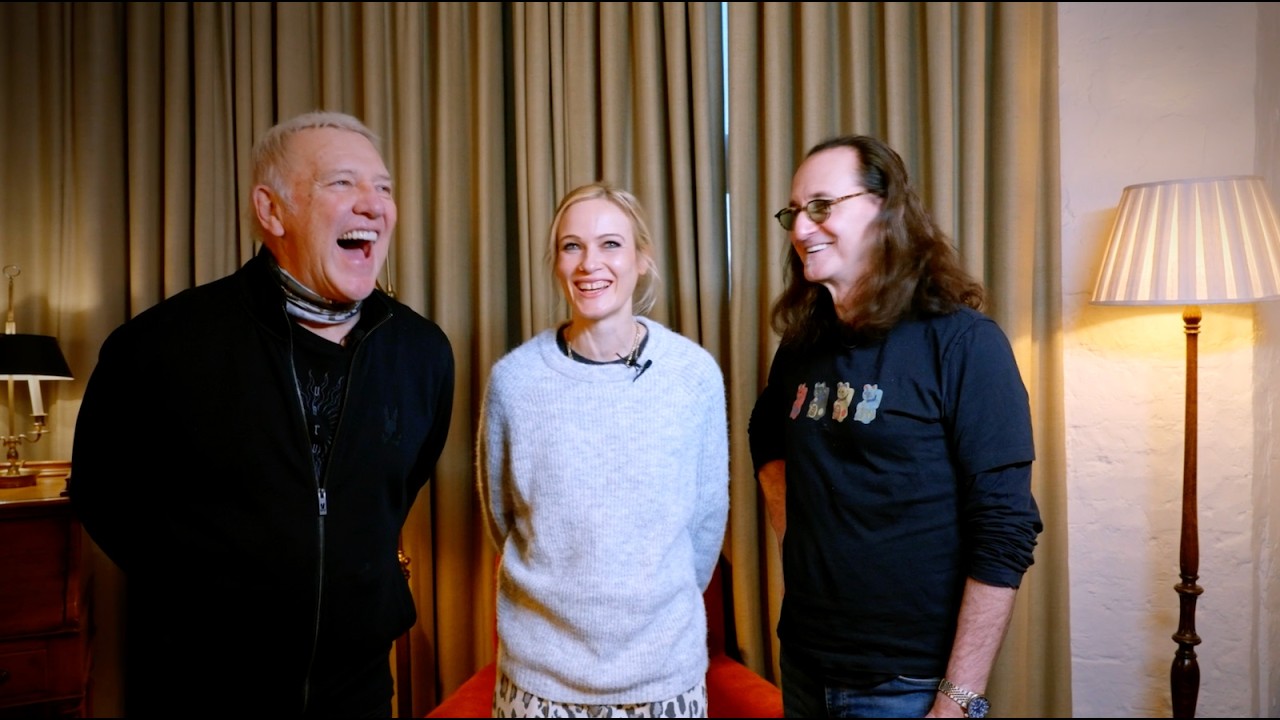
On day five, everything changed.
“She just fucking nailed it,” Lee says.
“She suddenly understood what we were talking about that whole week — not about the technical aspect, but about the stuff in between the big stuff that Neil was just so amazing at,” Lifeson adds. “Those internal dynamics that only another drummer can understand. And it clicked in her.”
There’s also a sense that Lifeson has returned reinvigorated. His time away from Rush — particularly through his work with Envy of None — rekindled his love of guitar solos and exploratory playing.
Now, as the band prepares a comeback world tour spanning three continents, talk has turned to new music. In an interview with Louder, the pair revealed they’re rehearsing 40 songs for the upcoming Fifty Something tour, allowing them to vary the set list nightly.
Elsewhere, Lifeson has told Guitar Player about the group’s most complex compositions — and the strange dreams that once fueled their creativity.
For a band that once seemed finished, the story has come full circle — not through grand design, but through laughter, friendship and a return to the simple act of playing together.

