
It’s been 50 years since Frampton Comes Alive! reached the top of the charts. When it did, on April 10, 1976, Peter Frampton felt like he was on top of the world.
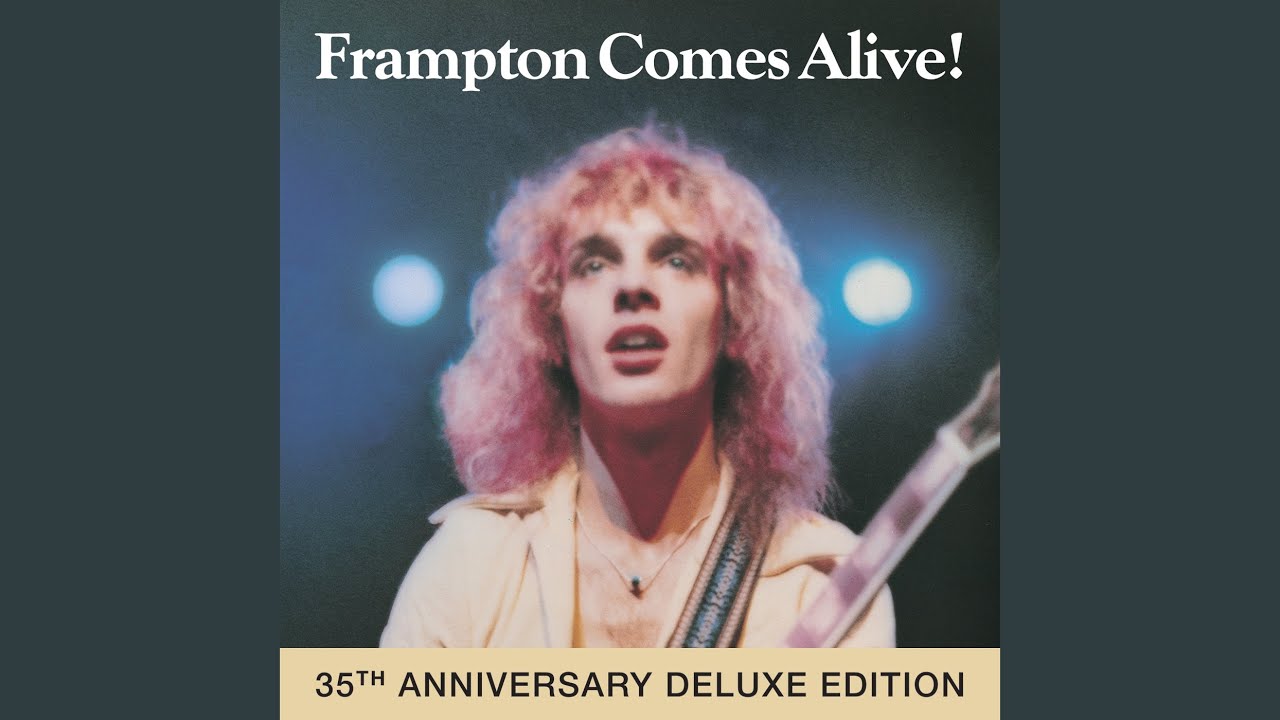
The live album became a breakthrough beyond anything he had imagined — an instant FM radio staple that sold millions of copies. Its iconic cover photo, showing Frampton mid-performance with his “Phenix” Gibson Les Paul Custom, ended up on bedroom walls across America, cementing his status as a teen idol nearly a decade into his career.
But it didn’t take long for the high to shift. Almost immediately, Frampton began wondering how he could possibly follow it — or even come close.
“I felt like I had lost before I started the next part of my career,” the guitarist told Billboard. “Before there was nothing to compete with. Now, I felt, ‘I’m competing with Peter Frampton.’”

He had sensed early on that the recordings were special. Shortly after the tour wrapped, he and bandmates Bob Mayo (keyboards) and Stanley Sheldon (bass) gathered at New York City’s Electric Lady Studios to review the tapes. (Kiss were also in the building working on their 1976 live album Alive!, and even used some of Frampton’s gear while sweetening their tracks.)
I started laughing. I just said, ‘Oh my God, we’re good!’”
— Peter Frampton
As the engineer rolled the tape, the impact was immediate.
“Me, Bob Mayo and Stanley just sort of got knocked backwards as soon as it came on, because the energy that came from the tape just leapt out of the speakers,” he says. “I started laughing. I just said, ‘Oh my God, we’re good!’”
Radio followed suit. Released on January 15, 1976, Frampton Comes Alive! generated three hit singles — “Baby I Love Your Way,” “Show Me the Way” and “Do You Feel Like We Do,” the latter two showcasing Frampton’s distinctive combination of an electric guitar and a Talk Box.
The record surged to No. 1 on the Billboard 200 by early April, where it remained for 10 nonconsecutive weeks, ultimately becoming the best-selling album of 1976. Over time, it would surpass eight million copies sold, its appeal enduring well beyond its initial wave.
Success brought its own momentum. Frampton returned to the road to promote the album even as it still sat in the Top 10. By the final shows, exhaustion had set in — along with a growing sense of pressure about what came next.
“Everyone was saying, ‘Oh man, this is so good. You must feel so great.’ Yeah I do, but I’ve got tomorrow to deal with. Hell, I’ve got to do a studio record to follow this up.’”
— Peter Frampton
“Everyone was saying, ‘Oh man, this is so good. You must feel so great,’” he recalls. “Yeah I do, but I’ve got tomorrow to deal with. Hell, I’ve got to do a studio record to follow this up. And in my mind I’m not proven in the studio, like I am now. I’m stamped ‘The Live Guy.’”
Within weeks, he was back in the studio cutting I’m in You, released June 3, 1977. The pace of expectations, however, was relentless — and Frampton felt it.
“That was probably the least favorite period of my life,” he says. “The pressure was so great. There was absolutely no need to do I’m in You then and there. The biggest mistake was just not shutting down at that point.”
The album was hardly a failure. It went Platinum and, at the time, became his most commercially successful release. The title track reached No. 2, marking his highest-charting single.

But it never carried the cultural weight of Frampton Comes Alive! — and the landscape had already shifted. Punk and new wave acts such as Elvis Costello, Talking Heads, and Television were reshaping rock’s center of gravity.
After the I’m in You record came out — which I didn’t want to make, let alone release — I realized that it was time to take stock, and a lot of things happened there.”
— Peter Frampton
Against that backdrop, I’m in You felt out of step. Even its pin-up style cover — Frampton shirt open, posing directly to camera — read like an attempt to extend his teen idol moment rather than evolve beyond it.
Looking back, Frampton has pinpointed that era as a turning point. Speaking at The Art of Music event at New York City’s Met Museum, hosted by Warren Haynes, he reflected on the aftermath.
“After the I’m in You record came out — which I didn’t want to make, let alone release — I realized that it was time to take stock, and a lot of things happened there,” he said. “Money was going astray by the hundreds of thousands.
“And so I needed to sort all that out. And that’s when I sort of stopped working and basically just started writing on my own and getting ready for something that was to come.”
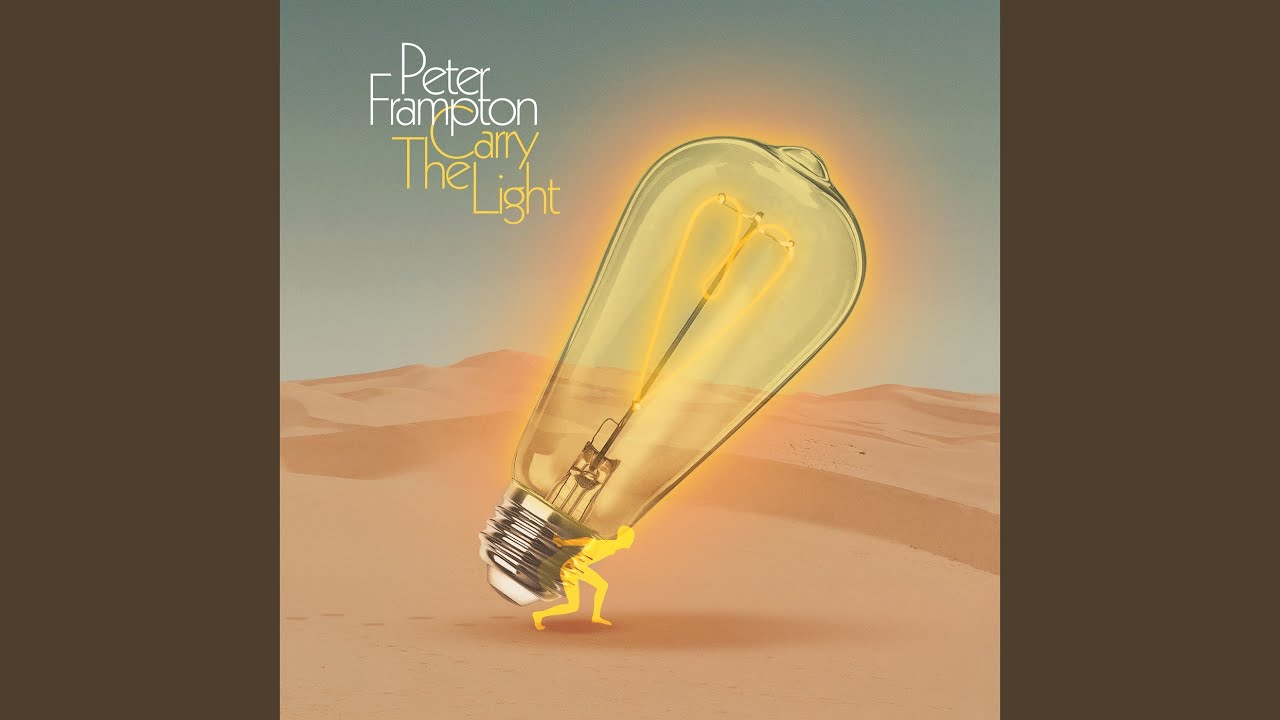
Now, Frampton is preparing to release his new studio album Carry the Light, written with his son Julian. It arrives May 15, 2026, but he chose today to release its debut single, “Lions at the Gate,” featuring Tom Morello.
I have no expectations of it doing anything. But Julian and I love it, so that’s all that matters.”
— Peter Frampton
He says he’s clear eyed about what success means today.
“I have no expectations of it doing anything,” he tells WIVB. “But Julian and I love it, so that’s all that matters.
“I enjoy the creative process more now than I ever did,” he added. “I don’t have to do anything, which is so great.
“I should’ve thought about that back then. But the pressure was on.”
