
By the late 1960s, the Beatles were driving much of pop culture’s direction, from electric guitars to psychedelia to Indian music and meditation. But their influence also became entangled in the era’s more controversial shifts — including widespread experimentation with drugs.
That tension surfaced directly when George Harrison appeared on The Dick Cavett Show in November 1971. The host asked whether the Beatles bore responsibility for America’s growing drug culture.
“You had this tremendous influence on young people,” Cavett said. “Everyone knows you went through a drug phase. Did it ever occur to you that the fact that was known, and the fact that you were the Beatles, might have caused thousands of people to have drug problems that might not have otherwise?”

The audience bristled at the question, but Harrison responded without hesitation, beginning with a story that reframed the premise entirely.
So we had it; we went out to a club, and it was incredible.”
— George Harrison
“First of all, when we took the notorious wonder drug LSD, we didn’t know we were having it,” he said. “John and I had the drug when we were having dinner with our dentist. He put it in our coffee and never told us.”
The doctor, John Riley, had invited the two Beatles to dinner in spring 1965, where he spiked their coffee. At the time, Harrison said, neither he nor John Lennon knew much about LSD at all.
“It’s a good job we hadn’t heard of it,” he said, “because there’s been so much paranoia now created around the drug that people, if they take it, they’re already on a bad trip before they start.”
“So we had it; we went out to a club, and it was incredible.”
Harrison then shifted the discussion toward what he saw as a broader issue: the role of the media in turning LSD into a cultural flashpoint.
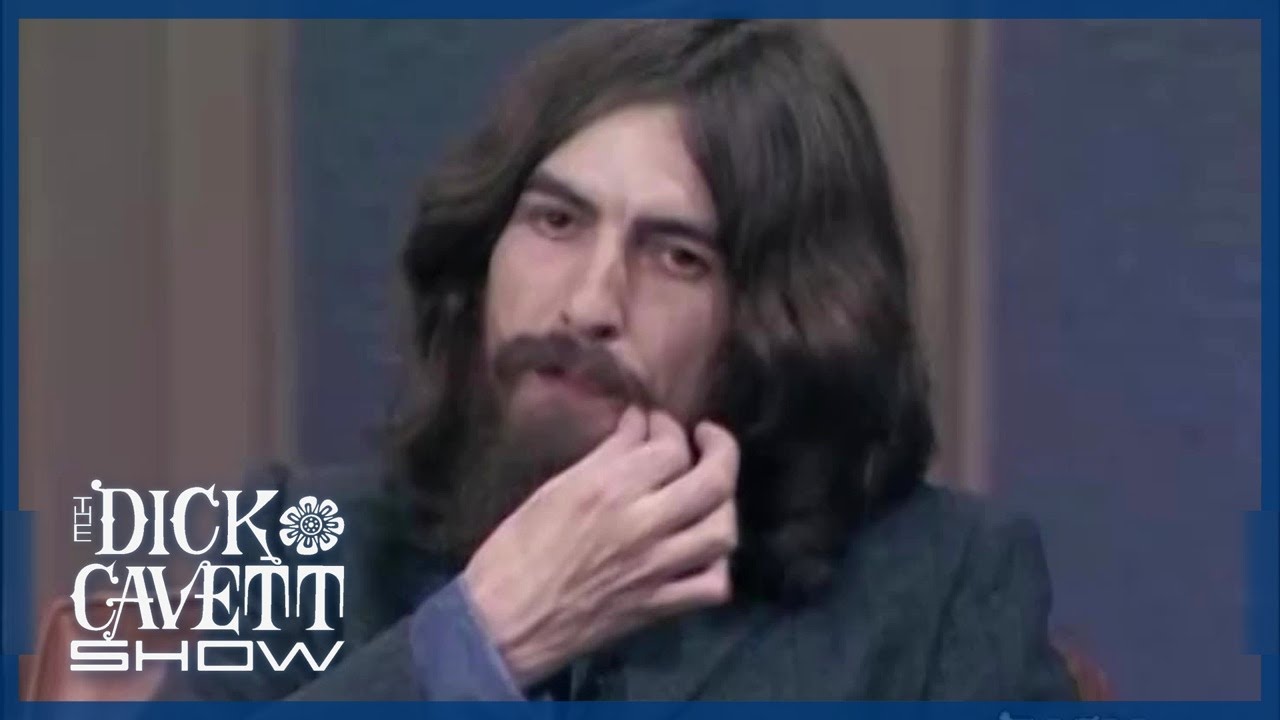
He pointed to the moment Paul McCartney publicly acknowledged taking LSD in 1967 after repeated pressure from reporters.
“Really, it was their fault. They asked the question, Paul said yes, and then they put it [out there] and the world goes crazy.”
— George Harrison
“If you’re going to ask me if I’ve had it, I’m not going to lie,” Harrison recalled McCartney telling one reporter.
Harrison said McCartney also warned journalists that broadcasting the admission would inevitably produce sensational headlines — and amplify the drug’s visibility far beyond the Beatles themselves.
“Really, it was their fault,” Harrison said. “They asked the question, Paul said yes, and then they put it [out there] and the world goes crazy.”

Pressed again on whether the Beatles still bore responsibility because of their fame, Harrison pointed to the constant surveillance the band faced during the 1960s.
“There were always reporters who’d follow us around on tour and always try breaking into our room,” he said, “catching us doing something we maybe shouldn’t have been doing.”
“The whole thing,” he added, “is that people want other people to do nasty things because they feed off it. And then they write, ‘Ha, they’re doing nasty things.’”
The Beatles’ experimentation with the drug spilled into their songwriting when an LSD trip with the Byrds and actor Peter Fonda led John Lennon to write “She Said She Said.”
And in a scene that recalls their own introduction to the drug, members of the band spiked a tea pot — likely with amphetamines — at one of their Abbey Road sessions to keep producer George Martin and members of the recording crew working late into the night.

