
The Deep South lost one of its most distinctive voices this week. Clarence Carter — the blind soul singer and guitarist whose recordings could swing from gut-wrenching tragedy to gleefully dirty humor — died May 13, 2026, at age 90.
Carter’s brand of southern soul could be tender and emotional or raw and testosterone-laced, driven by gritty, funk-fueled grooves. The latter was exemplified by the swagger of “Strokin’,” his unlikely 1986 hit. The song’s obvious double entendre got it banned from many radio stations, but it became a jukebox staple in bars across the country.
Carter, for his part, never saw the problem.
“I don't think it's a dirty song. It's a song about something everybody does. If you don't do it, you're in trouble!”
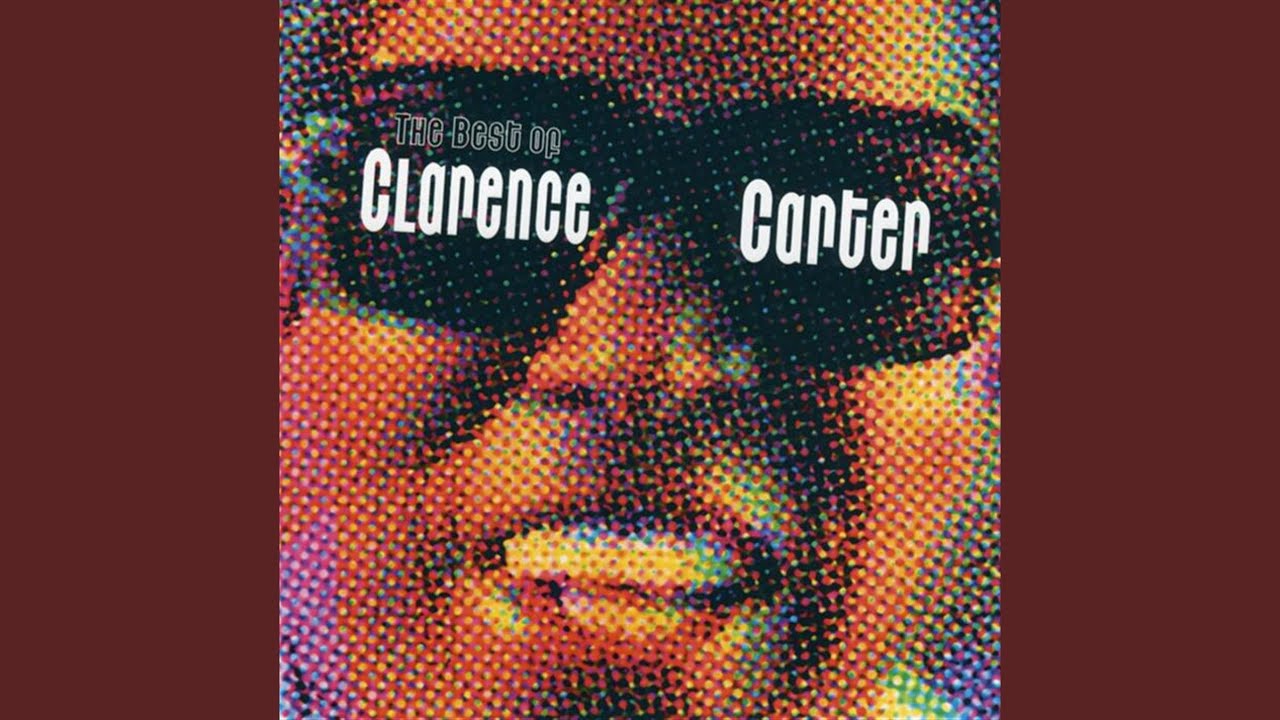
Yet one of the clearest windows into Carter’s artistry came in a very different setting: the cramped control room of FAME Studios in 1970, where he revealed a gentler and deeply emotional side of his style.
That’s where Carter recorded “Patches,” the Grammy-winning ballad about an Alabama farm boy forced to take over the family land after his father dies. It remains one of the most devastating performances in soul music — and for decades many listeners assumed it must have been autobiographical.
It wasn’t. In fact, Carter initially didn’t want to record it.
When legendary Muscle Shoals producer Rick Hall brought him the song — originally recorded by the Detroit group Chairmen of the Board — Carter pushed back. He hadn’t grown up on a farm; he’d studied music at Alabama State University and had built his reputation on streetwise soul songs about cheating and heartbreak. “Patches,” he felt, simply wasn’t his story.
“I heard it on the Chairmen of the Board LP and liked it, but I had my own ideas about how it should be sung,” Carter said years later. At first he worried “that it would be degrading for a black man to sing a song so redolent of subjugation.”

Hall persisted. Carter, who had grown up “dirt poor,” eventually found a personal connection to the song’s themes of hardship and responsibility.
“Rick Hall said, ‘Clarence, this is you. You can do this,’” Carter recalled. “He believed in it more than I did at first.”
Once he committed, Carter leaned into the storytelling.
“It was my idea to make the song sound real natural,” he said.
The session that followed has become a small piece of Muscle Shoals folklore.
As the legend goes, Carter hadn’t fully memorized the lyrics when the tape started rolling. Because he was blind, someone stood directly behind him in the studio, quietly feeding him each line seconds before he sang it.
That seems unlikely, given Carter’s rapid-fire delivery. He imbued the lyrics with a rawness that sounded painfully real, drawing on memories of poverty he’d witnessed growing up in Montgomery, Alabama. When his voice cracks on the line “I became a man that day,” it feels less like a performance than a confession.
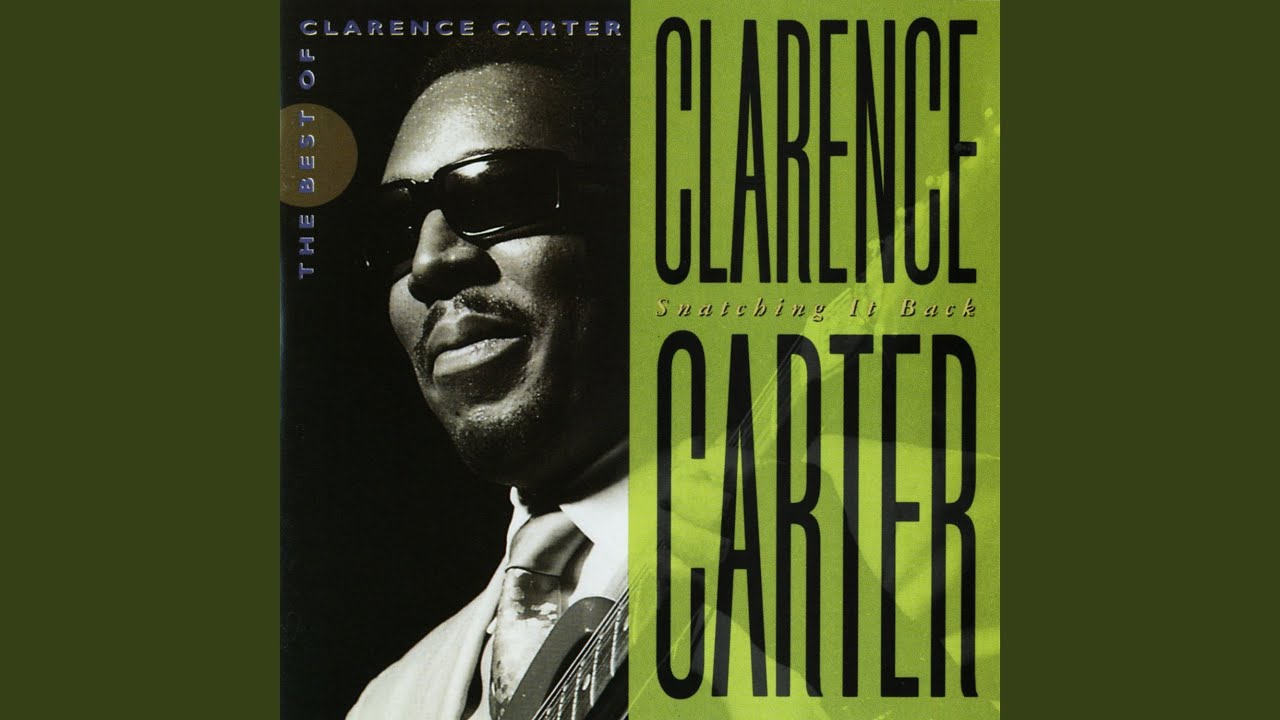
Looking back decades later, Carter recognized how important the song had become to his legacy.
“I think ‘Patches’ really etched me into the music world, where people are probably going to remember me for a long time to come,” he said in a 2010 interview. “Which I always wanted — but I never knew it would happen that way.”
That ability to make a song feel lived-in was Carter’s superpower, evident on “Patches” as well as “Slip Away,” his number-six hit from 1968.
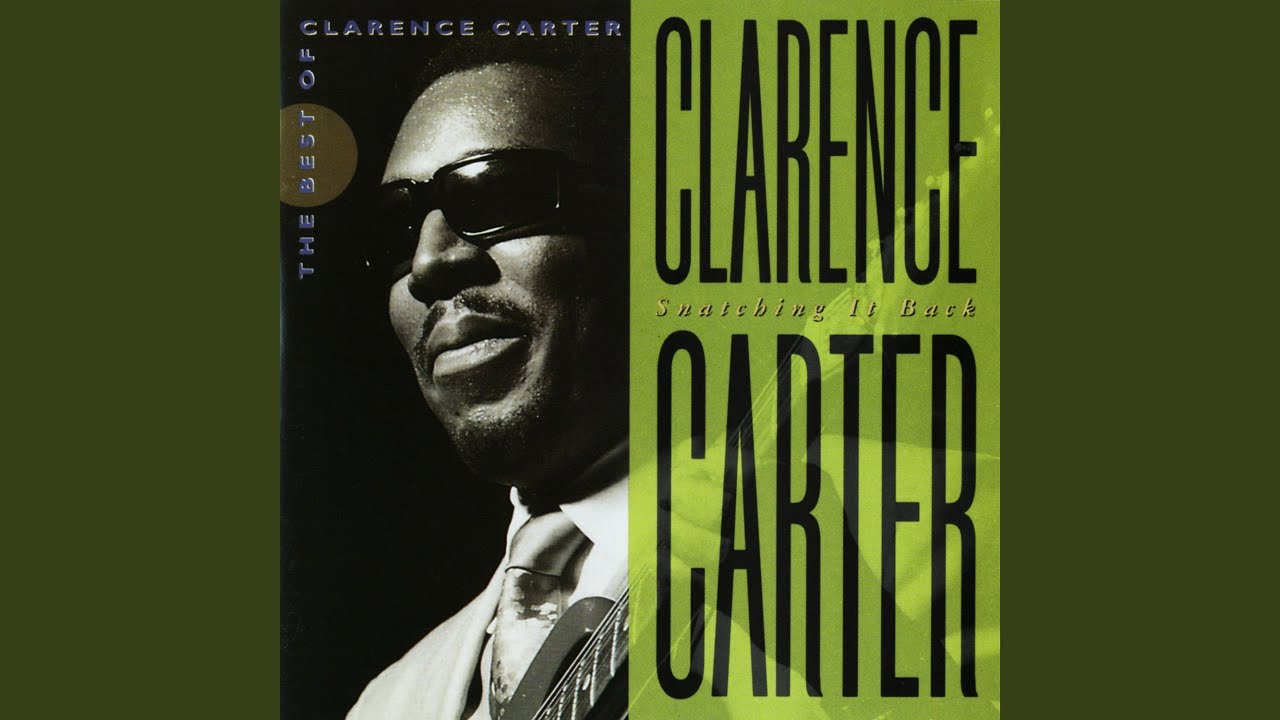
Carter was also a formidable guitarist, who liked a range of electrics that included Fender Stratocasters and Teles. Largely self-taught, he often played with his fingernails rather than a pick, giving his attack a sharper snap that cut through the rhythm section.
In the late ’60s, some of his Muscle Shoals sessions featured a young session player named Duane Allman — long before “Skydog” would become a legend with the Allman Brothers Band. Carter had a front-row seat as the guitarist helped shape the sound that would soon be called southern rock.
In later years Carter remained a regular on the Chitlin’ Circuit, still touring, still laughing, still snapping those guitar strings. He never treated his blindness as a limitation. If anything, he seemed to treat it as another way of locking deeper into the groove.
As news of his death spread this week through Muscle Shoals, Alabama and Montgomery, fans weren’t just mourning a singer. They were mourning a direct link to the golden age of southern soul — when songs were cut live in small rooms, feel mattered more than perfection, and voices like Clarence Carter’s could make even someone else’s story sound like the truth.
