
After a slow start to his recording career, Neil Diamond began breaking through in 1966, placing “Solitary Man” at number 55 on the Billboard Hot 100 and then landing his first Top 10 hit with “Cherry, Cherry” (number six) just three months later.
He also had a number one hit that year — just not as a performer. Diamond wrote “I’m a Believer,” which the Monkees took to the top of the charts.
“The head of my record company was very angry — I’d given away a number one hit — but I was thrilled,” Diamond told us some years ago. “See, I was a songwriter, first and foremost. I kind of reluctantly became a recording artist, you know? I wanted to write songs and have other people record them … but nobody would record my stuff, so I had to sing the songs myself.”
That reluctance came after a difficult apprenticeship. During an eight-year stretch in the early ’60s, Diamond was fired by five different songwriting houses.
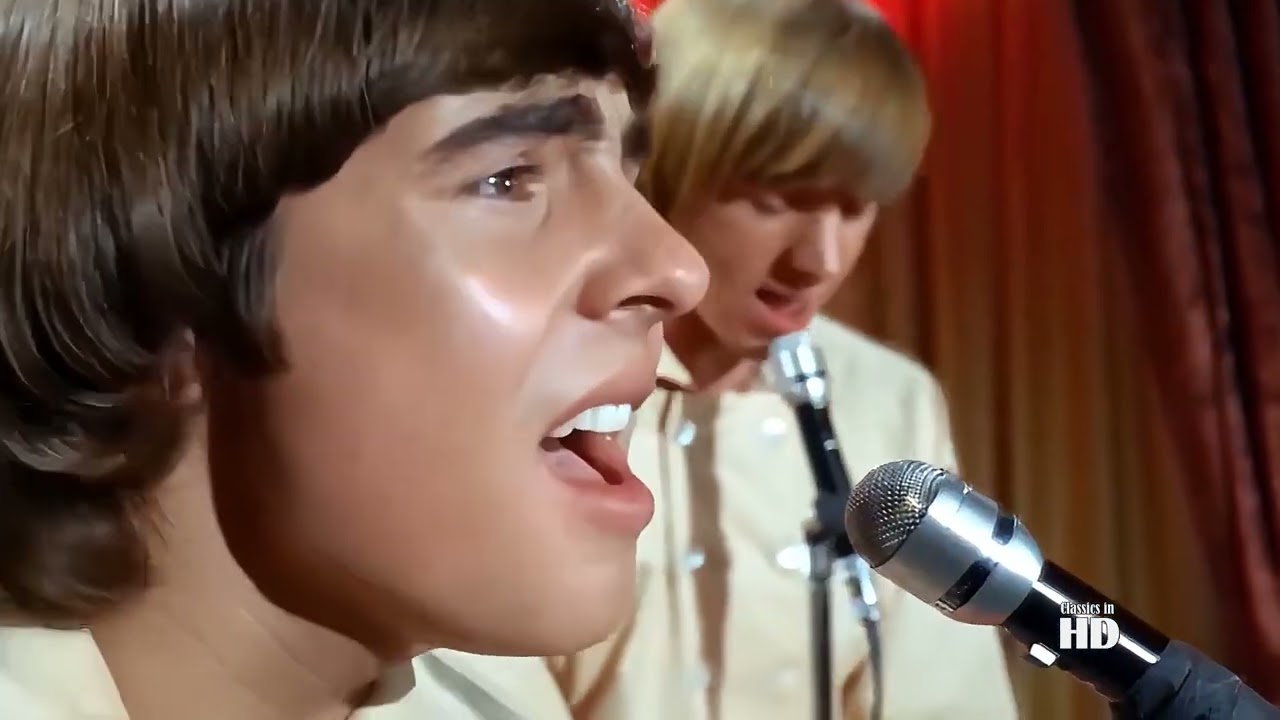
“So having the Monkees get the number one was as good as if I had recorded it, honestly,” he added.
Having the Monkees get the number one was as good as if I had recorded it.”
— Neil Diamond
Interestingly, Diamond — who recorded a version of the song for his 1967 album Just for You — considered “I’m a Believer” to be a country song when he wrote it; he envisioned country music star Eddy Arnold recording it.
“I thought it would be a great song for him,” Diamond noted. Music executive Don Kirshner, who knew Diamond from New York’s Tin Pan Alley and was working with the Monkees’ TV producers, steered it to the group instead.
“We had a lot of great songs from great songwriters,” recalls the Monkees’ Micky Dolenz, who sang lead on “I’m a Believer.” “Carole King and Gerry Goffin, Tommy Boyce and Bobby Hart, Neil Sedaka, Carole Bayer Sager… Neil Diamond. It was the best of the best. You had to pinch yourself when you got these songs.”
Diamond — who also wrote “Look Out (Here Comes Tomorrow)” for the Monkees — pitched “I’m a Believer” to the Fifth Estate as well; the group included it on its 1967 album Ding-Dong! The Witch Is Dead.
The guitarist performed the song faithfully in concert for decades but revisited it on his 2010 covers album Dreams, treating it as “a very gentle, reflective ballad,” played with acoustic guitar accompaniment. The approach he said “opened the song up completely. It opened my eyes about exploring that direction with some of the other songs as well … That’s what keeps it exciting.”
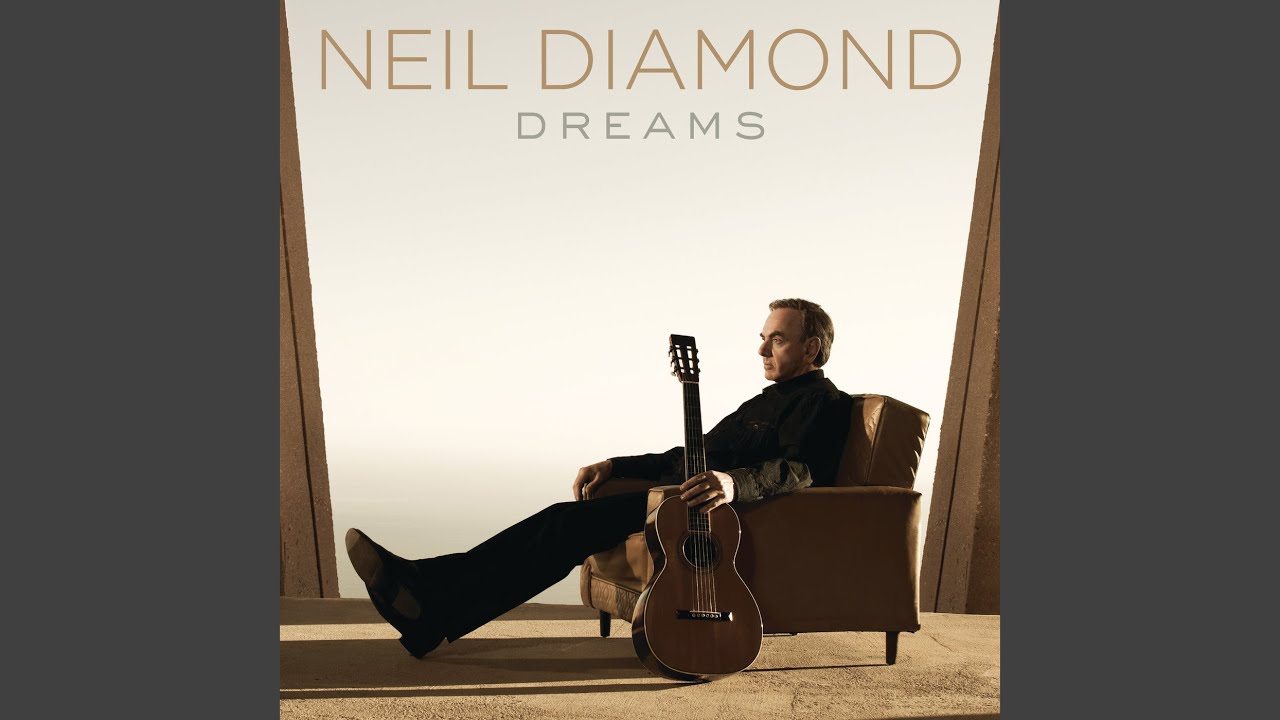
Diamond went on to score 38 Top 40 hits on the Billboard Hot 100 and became one of popular music’s most iconic performers, sequined shirts and all. He has been inducted into the Songwriters Hall of Fame and the Rock and Roll Hall of Fame and has received a Kennedy Center Honor and a Grammy Lifetime Achievement Award.
He stopped touring in 2018 after announcing a Parkinson’s disease diagnosis and has largely stepped back from music since, making only rare public appearances — although he did support A Beautiful Noise, the 2022 stage musical based on his life.
Now Diamond is re-emerging, somewhat. This week saw the release of Wild Heart, his first album of new songs since Melody Road in 2014. The material actually dates back to Home Before Dark (2008), his chart-topping second collaboration with producer Rick Rubin (Beastie Boys, Slayer, Red Hot Chili Peppers).
Rubin — fresh off his American Recordings work with Johnny Cash — first teamed with Diamond on 12 Songs in 2005. Using a small circle of players that included Tom Petty and the Heartbreakers’ Mike Campbell and Benmont Tench, Billy Preston, Jellyfish’s Roger Joseph Manning Jr. and Beck guitarist Smokey Hormel, Rubin pushed Diamond toward a stripped-down, live-in-the-room approach. Campbell, Tench and Hormel returned for Home Before Dark.

“I did listen to a bunch of the artists that Rick produced,” Diamond said at the time, “but there were a lot of early things that Rick liked that he wanted me to hear. We set up a meeting at his place, sat down and listened to music and chatted … every week for maybe six months.
“And for the most part what Rick played were my early records — things I hadn’t heard or thought about in decades. It was an interesting learning experience to go back to my old material and get a fresh take on it.”
Rubin’s goal was simple: strip the music down to Diamond’s voice, guitar and the song itself. Diamond initially resisted.
“I hadn’t played guitar on my records since ‘Cherry, Cherry’ and ‘Kentucky Woman,’ thinking there were other guitar players who could do it much better,” he said. “Pretty much every day I would argue that point with Rick. But he wouldn’t hear of it. He wanted my voice and my playing, as unadorned and truthful and minimalist as possible.”

It didn’t take long for Diamond to come around.
“Three or four recordings into this thing I realized he was absolutely right and began to enjoy the playing and singing experience. I realized I could perform my music with the simplicity of just my voice and guitar.”
Neil was real excitable. He’d come in with a song he wrote the night before and say, ‘That’s great, that’s great … Oh wait, maybe I’m just suffering from new-song euphoria.’”
— Mike Campbell
Tench remembers the sessions fondly, noting that the musicians had to “twist Diamond’s arm a little bit.”
“But the songs are just wonderful and he’s a great guy and really fun to be with — and obviously he’s a great songwriter,” Tench said. One night during the Home Before Dark sessions, Diamond asked the band to stay late. Campbell agreed on one condition: “Sure, if you’ll play ‘Cherry Cherry’ with us.”
“And so we played ‘Cherry Cherry’ with Neil,” Tench recalled, “and that was a treat.”
Campbell remembers the sessions just as fondly.
“We had a lot of fun,” he says. “Neil was real excitable. He’d come in with a song he wrote the night before and say, ‘That’s great, that’s great … Oh wait, maybe I’m just suffering from new-song euphoria.’ He had a great sense of humor and was really supportive of the players, and he had a lot of stories about the old days. We had a blast.”

