
Jim Peterik has composed plenty of hit songs. Perhaps most notable is “Eye of the Tiger” by Survivor, a band he founded in 1978.
But way back in 1970, the guitarist managed to craft a tune for his jazz-rock group the Ides of March that shot up to number 2 on the Billboard charts. Dubbed “Vehicle,” it became the fastest-breaking single in the history of Warner Bros. Records at the time.
Peterik wrote the song to win back a girlfriend with the offer to be the ride to her dreams. The song’s distinctive brass horn section bursts out, demanding attention and hooking the listener’s ears.

Nevertheless, Peterik thought “Vehicle” was a throwaway at best. Instead, it became an enduring hit, known to many even if they can’t place the name of the group that recorded it.
“There was no game plan or demographic research done,” Peterik says of the song. “We were mainly thinking, ‘How do we get that girl in the front row to throw her panties at us?’
“We were pretty clueless. All we knew was that every time we played ‘Vehicle’ at a dance, people would be partying. We didn't value the song at all. It was just this fun tune that people danced to.”
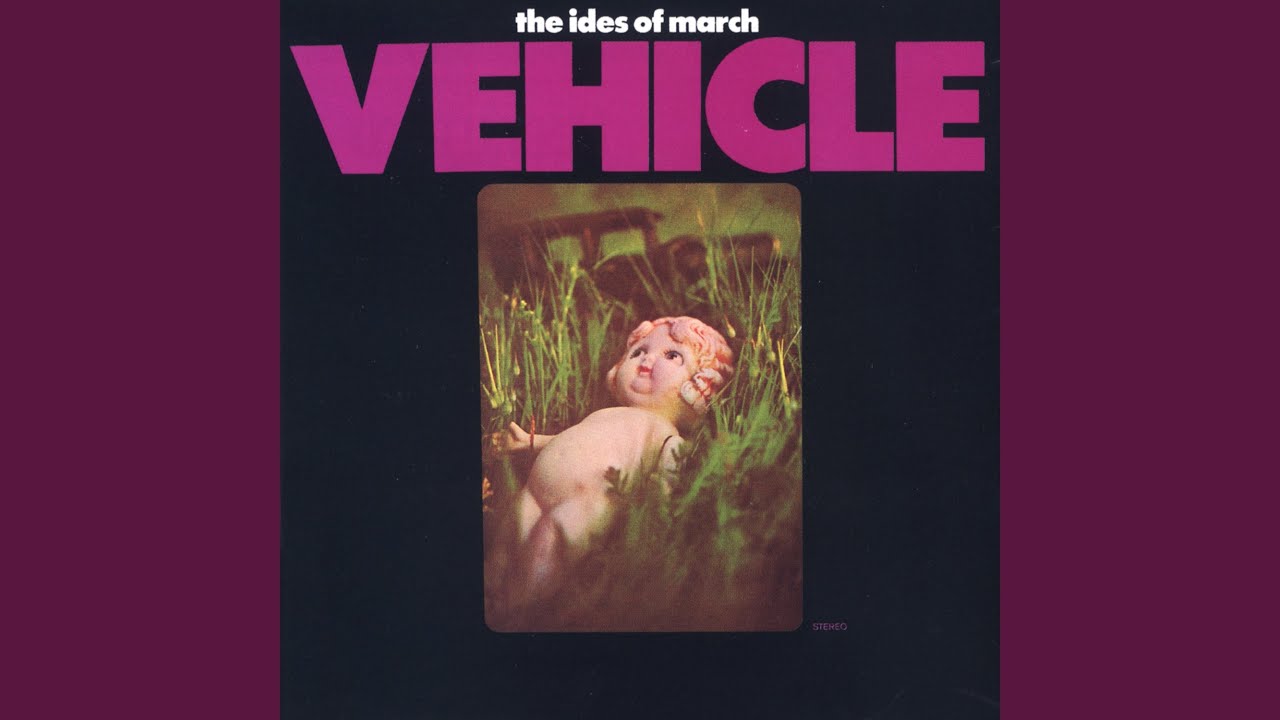
With its distinctive horn figures, “Vehicle” sounded to many listeners of the time like a new track from Blood, Sweat & Tears. But Peterik wasn’t thinking of that group when he wrote it, nor did he suspect he had a potential hit on his hands.
How did you get that ballsy brass sound?’ Well, the secret weapon was the Maestro Fuzz-Tone, which I got right after we cut the track, and I just added it.”
— Jim Peterik
“I didn't know what made it work,” he offers. “The horn riff was a call to arms that everyone remembers, but I was 19 years old then, and it took many, many years for me to define what was really special about that song. It's not like you can go into a laboratory and create a hit with the same formula: ‘Okay, I did it. I'll just do it again.’”
The Ides cut “Vehicle” live, except for the lead vocals.
“We knew the song so well that we didn't need a guide vocal,” Peterik explains. “All the brass is blaring together, and one thing that I don't think I've ever told anybody is that I doubled all the horn lines with a Les Paul and a Maestro Fuzz-Tone. People would ask, ‘How did you get that ballsy brass sound?’ Well, the secret weapon was the Maestro, which I got right after we cut the track, and I just added it.”

Ironically, Peterik’s electric guitar was dealt a pair of blows during the recording.
“I had an awesome Fender Dual Showman and a red Epiphone Riviera, and I broke a string during take one, so Larry [Millas, co-guitarist] lent me his sunburst Epiphone Riviera for take two, as he was playing organ.”
Take two was perfect, but a studio technician made the kind of error every recording artist fears.
There was no game plan or demographic research done. We were mainly thinking, ‘How do we get that girl in the front row to throw her panties at us?’”
— Jim Peterik
“The second engineer managed to erase 13 seconds of take two, which we liked, and we thought our lives were over,” Peterik says. “So he edited the first part of take one onto take two, which shouldn't have worked, as this is before click tracks. But it was perfect.
“So what you hear is 13 seconds of my red Epiphone, and the rest, including the solo, is Larry's sunburst Epiphone.”
Incidentally, notes Peterik, his red Epiphone is on the “One Hit Wonder” wall at the Rock & Roll Hall of Fame. “Which is kind of cool,” he admits.
As for that solo, which he cut live, Peterik says he was influenced by one of the era’s axe gods.
“I was channeling my god — Jeff Beck — but I ran out of licks,” he admits. “I usually played right through to the horn reprise, but I just gave up and left this hole, and the drummer did this magnificent fill that he had never done before. He turned my mistake into something brilliant. You can't plan that shit.”

Peterik notes that the overdrive on the solo isn’t the Maestro Fuzz-Tone.
“The first engineer, Dick Dearborn, told me I was playing too loud, so he decided to take the output from the Showman, plug it directly into the mixer, and distort it by overdriving the board's transistor preamp.”
As time went on, I started to learn more about what makes a great record great — the beats, the repetition, the cadence of the vocal and lyrics — but I'm still not an expert.”
— Jim Peterik
Peterik says he wasn’t a big fan of the Fuzz-Tone and didn’t mind setting it aside. “I was never happy with that cheesy overdrive, even after it almost became a famous sound. Board overdrive. No effects. That's the solo.”
Released as a single in March 1970, “Vehicle” shot up the charts.
And yet, not surprisingly, then–Warner Bros. president Joe Smith pushed Peterik to repeat the song’s success.
“And I came up with ‘Superman,’” says Peterik, who would connect with Frankie Sullivan and form Survivor in 1978. “It's hard to clone something like that, though. ‘Vehicle’ was an original creation out of whole cloth, whereas ‘Superman’ was like a carbon copy. It had the same DNA. But ‘Superman’ didn't even reach the top 50.
“As time went on, I started to learn more about what makes a great record great — the beats, the repetition, the cadence of the vocal and lyrics — but I'm still not an expert.”
