
With members that included singer Rod Stewart, future Rolling Stones guitarist Ronnie Wood and drummer Aynsley Dunbar, the Jeff Beck Group looked like one of the most promising new acts when it arrived in 1967.
Following a brief but stunning turn in the Yardbirds, and a follow-up project with Jimmy Page that went sour, Jeff Beck turned down a gig with John Mayall’s Bluesbreakers to do things on his own terms.
But as Stewart later revealed, the band’s brief lifespan was anything but rosy — largely because Beck struggled as a bandleader.

“Let me put it this way, he wasn't a good band leader,” the singer told The Howard Stern Show in 2023. “He didn't have the personal touch with the musicians. Ronnie and I sometimes had to steal eggs here in New York to survive. We weren’t given any money. We didn’t get any wages.”
Ronnie and I sometimes had to steal eggs here in New York to survive. We weren’t given any money. We didn’t get any wages.”
— Rod Stewart
The group released two albums — Truth and Beck‑Ola — before splitting in 1969. Stewart and Wood departed to form Faces, while Beck later revived the band with a new lineup for 1971’s Rough and Ready and 1972’s Jeff Beck Group.
It wasn’t until Beck struck out under his own name with the instrumental electric guitar masterpiece Blow by Blow that the version of Jeff Beck revered by players today fully emerged. Armed with his famous “Oxblood” Gibson Les Paul, Beck entered a new creative era — one that helped cement his reputation as one of rock’s most expressive players. No wonder that guitar sold for an eye-watering sum at auction last year.
Still, Stewart didn’t hold their floundering bandleader responsible for the band’s financial woes.
“It wasn't his fault,” he insisted. “It was Peter Grant, who was managing at the time.”
Grant, of course, was also managing Page’s new band, Led Zeppelin, who were busy pushing the blues to thunderous new extremes — leaving little time to further Beck’s career. Which is where the bizarre Woodstock situation enters the story.
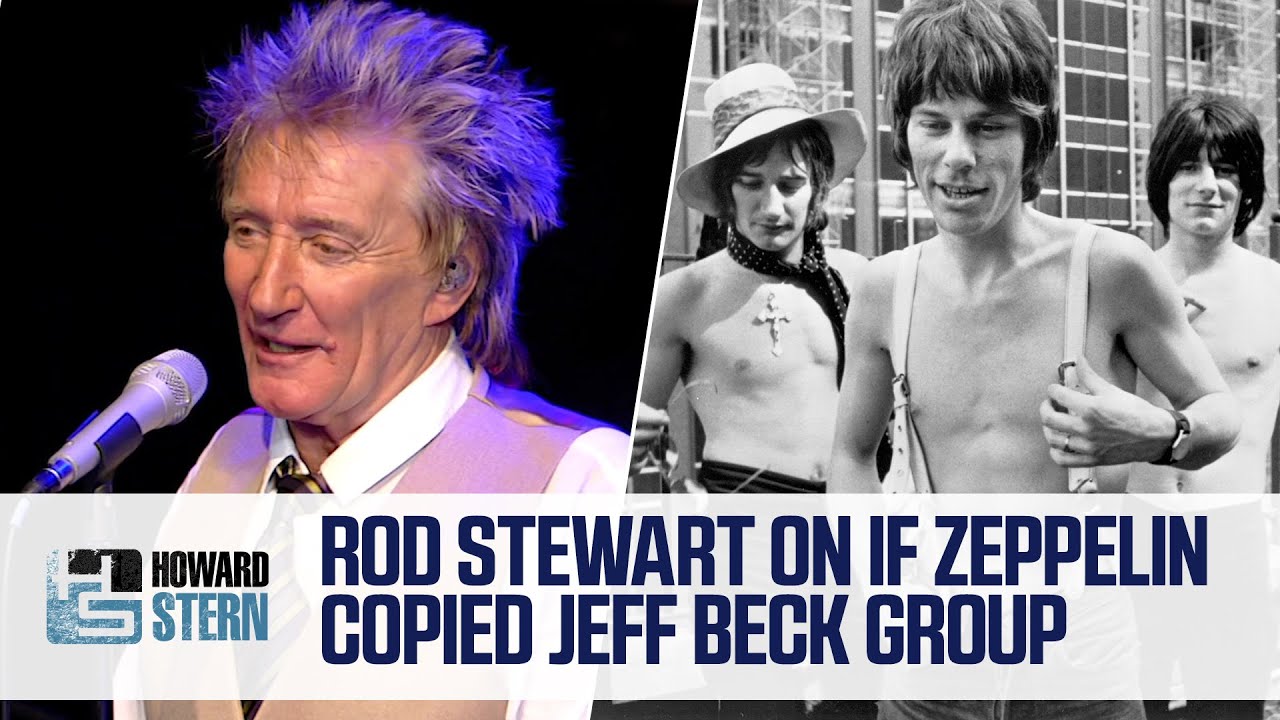
The Jeff Beck Group had been booked to perform at the festival — now one of the most mythologized events in rock history — but they never made it. A rumor began circulating that Beck’s wife was having an affair, prompting the guitarist to abruptly return home.
It wasn't his fault. It was Peter Grant, who was managing at the time.”
— Rod Stewart
“He thought the gardener was shagging his wife,” Stewart quipped bluntly. “It was bullshit.”
There’s even a fan theory floating around on Reddit that Page himself started the rumor to scupper Beck — despite the two guitarists being longtime friends and occasional collaborators. It’s a bold theory, though the poster doesn’t appear to have convinced many commenters.

Either way, Stewart doesn’t dwell on what might have been. In fact, he believes skipping Woodstock may have spared them from being “labeled a Woodstock act for the rest of our lives” — a fate he suggests befell Ten Years After.
Stewart was also asked who the better guitarist was between Beck and Wood, but the “Maggie May” songwriter refused to take the bait.
“You can't compare the two,” he said. “Ronnie's got an innate sense of rhythm and riff writing, whereas Jeff — the sounds he gets out of his guitar. He's an entrepreneur of the guitar.”
Beck, who died in 2023, left behind a singular legacy — from his groundbreaking work with the Yardbirds to the genre-defying solo career that followed (including an album’s worth of unreleased recordings).

