
Rarely does a single song make someone a guitar hero, but Mark Knopfler was catapulted to fame when Dire Straits’ “Sultans of Swing” became a hit in 1979, a year after appearing on the band’s self-titled debut album. Among his many fans were two men known for their ability to spot guitar talent: Donald Fagen and Walter Becker of Steely Dan.
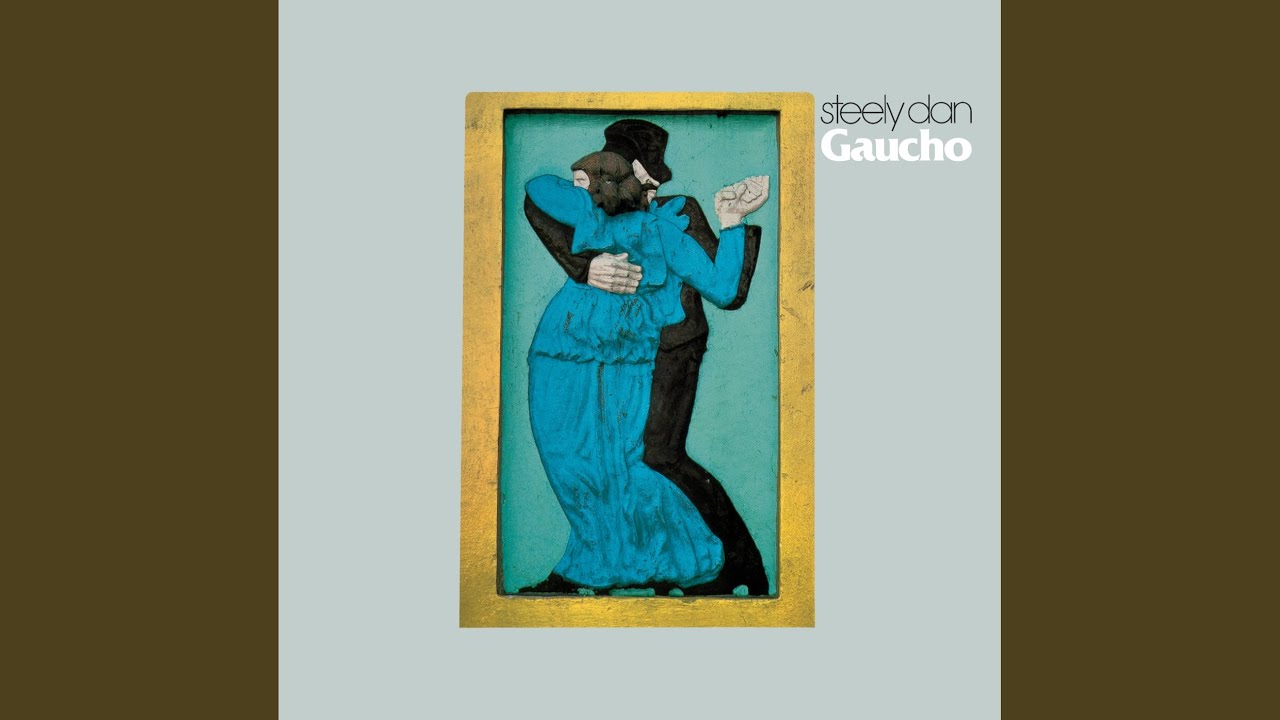
By then, Fagen and Becker had worked with greats like Steely Dan founding guitarist Jeff "Skunk" Baxter, as well as Larry Carlton, Jay Graydon, Elliott Randall and Dean Parks. Upon hearing “Sultans of Swing,” they decided to bring Knopfler in for their next record, Gaucho.
As Knopfler recalls, Dire Straits were on tour in the U.S. when he got the call inviting him to join the Gaucho sessions in New York City. He was onboard.
“I’d gone through this period of loving Steely Dan records,” he tells Guitar Player magazine.

But upon arriving, he quickly lowered his expectations for the session.
I certainly wasn’t expecting to walk out at the end of that day and have anything on the record that they would keep.”
— Mark Knopfler
“I certainly wasn’t expecting to walk out at the end of that day and have anything on the record that they would keep. The story that I got from Gaucho’s engineer was something like, ‘Man, you ought to see the guys crawling out of this place,’ so I didn’t expect to emerge victorious at all.”
Indeed, Fagen and Becker were known for trying out numerous guitarists — and even entire bands — on their recording sessions, so no one knew until the record came out whether their contribution had made the cut.
“It wasn’t like they played musical chairs with the guys in the band,” said Rick Marotta, a frequent Dan drummer on later album sessions. “They played musical bands!”
The track they selected for Knopfler was “Time Out of Mind,” where his electric guitar soloing would be added in the intro, middle and end. To his surprise, he was performing an overdub rather than playing with a group.

And while Fagen and Becker typically provided players with charts and discussed what they were looking for, the process was far from straightforward and could last hours for what ultimately amounted to mere seconds of music.
I could have been given the chords, but some of those fancier ones I don't know the names of and probably couldn't play.”
— Mark Knopfler
“We don't make our records in the same way,” Knopfler tells Guitar Player. “It took us about three weeks to do each of our albums. But with this session, the process seemed so much more painstaking, which is just a different way of making a record.”
Knopfler — who likely played his red 1961 Fender Stratocaster on the session — said he was given no charts.
“I just listened to tapes and then played over them. I could have been given the chords, but some of those fancier ones I don't know the names of and probably couldn't play.”
Knopfler’s approach was the one that came instinctively.
“What I always try to do is respond to the song,” he says. “I’ve always rebelled against theory. Guitar playing for me is a compulsive activity. I'm not against learning technique, however, and I'm certainly not against acquiring new knowledge. I don't have any favorite keys that I play in. To me, different keys have different colors, different qualities, so I like playing in lots of them.”
Still, he likened the experience to “getting into a swimming pool with lead weights tied to your boot.” The effort was labored and painfully slow.
“I must have played those chords a thousand times in the studio,” he says.
Becker understood Knopfler’s reaction.
“I think he definitely felt that, because he would play something and it was okay, then we’d like it later.”
If Knopfler was initially put off by the duo’s approach to recording, he ultimately enjoyed the experience and the outcome. And, all things considered, it went more smoothly than his painful studio experience a few years later with Bob Dylan.
“I really enjoyed that,” he tells Guitar Player of the Gaucho session. “It was strange at first, however, because it seemed like such a rarefied atmosphere. I was very pleased with the results, but I don't really see that as being my scene.”
