
Last week, Ritchie Blackmore ruffled a few feathers in the guitar-playing community when he claimed that “most guitarists aren’t nice people.” He may have also listed an exception to the rule, but there is one other player you’ll never hear the former Deep Purple man bad-mouthing.
Of course, Blackmore’s offhand comment quickly became headline news. In that moment, memories of him taking digs at his Deep Purple successors Joe Satriani and Steve Morse, and his claims that he was “not too struck” by Jimmy Page and that he “never saw what was in Eric Clapton at all” came flooding back. He has a track record for not always waxing lyrical about his peers.
But there was one player whom the guitarist — who has, in turn, been called a “dick” by Billy Corgan — has only kind words for.

“I was in Hamburg, Germany, when I first heard ‘Shapes of Things,’ with Jeff Beck playing,” Blackmore once said. “And I thought, ‘My God, who the hell is this?’ This shouldn’t be allowed. It’s too good. I’ve been a fan of theirs ever since. They were way ahead of all the other bands.”
He knows how to ring a note. His soul comes through his tone as well as his notes. And a great player — my favorite guitar player.”
— Ritchie Blackmore
Yet the pair had already crossed paths when Blackmore and Beck were playing on a track being produced by Jimmy Page, long before they all became guitar heroes in their own right. And though Blackmore accepts that Page’s Led Zeppelin and, to an extent, his own Deep Purple were the front-runners of the heavy blues-rock sound of the early ’70s, it was Beck who “got the ball rolling” during his time in the Yardbirds.
When the band disbanded, Beck and Page would team up for a short-lived project that yielded the first-ever metal guitar riff — and the pair argued over who wrote it for decades afterward. It was what came next — Beck’s sonically tumultuous 1968 solo debut, Truth — that set the scene for the next decade of blues-rock evolution.
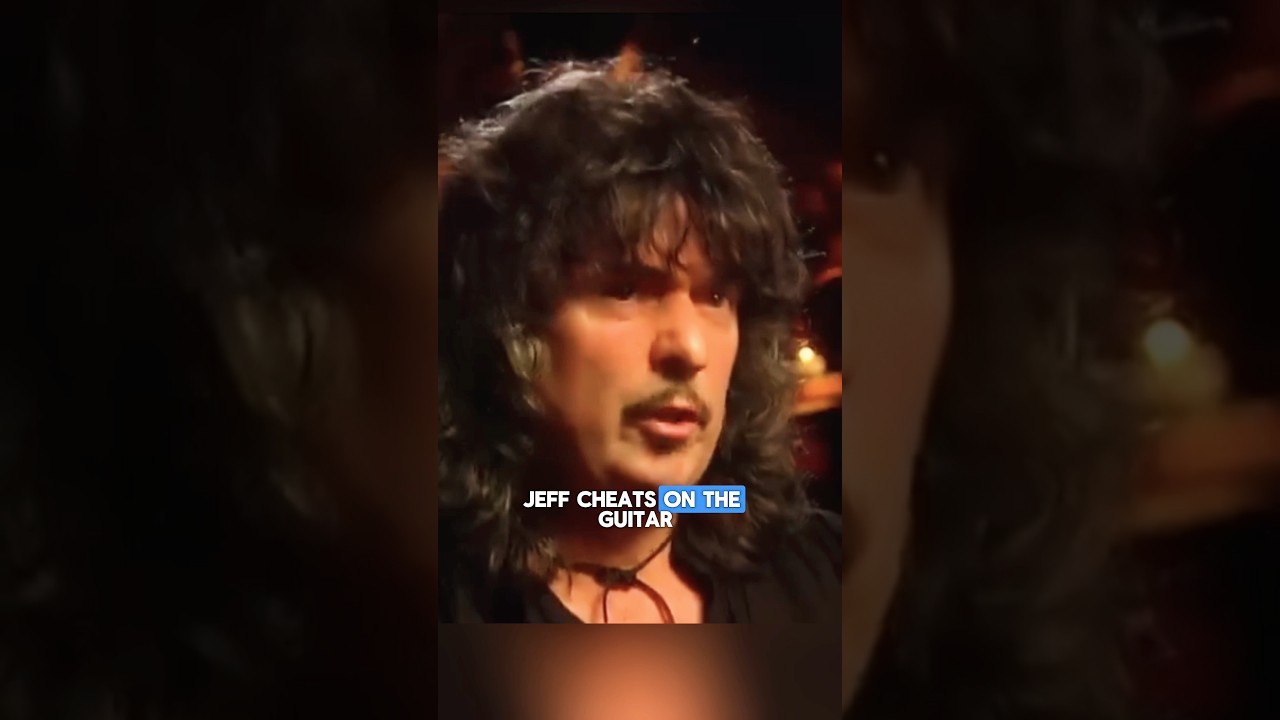
“Jeff cheats on the guitar because he has notes that I don’t have on my guitar,” Blackmore jokes. “But he knows how to ring a note. His soul comes through his tone as well as his notes. And a great player — my favorite guitar player. Ever since ‘Shapes of Things,’ we’ve kind of just followed that style.”
It’s easy to hear the song’s hammering intro in a score of Deep Purple cuts like “Speed King” and “Stormbringer,” while his off-kilter lead lines rip through both Purple and Zeppelin’s discographies and beyond. Musically, he was punishing.
But aside from his constant praise for Beck’s natural talents over the years, Blackmore has remained consistent on one other matter concerning the late great. Beck, it seems, was perpetually unable to take a compliment when it came to his playing.
“He was always reaching for something he couldn’t find,” Blackmore said late last year.
It’s for that exact reason that the last known recording of Beck, who passed away in January 2023 at age 78, is likely to never see the light of day.

Former Manfred Mann’s Earth Band guitarist Mick Rogers, who owns the recording, wasn’t the only one whose plans to record together were dashed by Beck’s passing, with Mark Knopfler revealing he was lining up a project with the maverick six-stringer.
“Jeff was just something other, y’know?” he told Guitar Player in 2024. “I’m really sorry we didn’t get to work together.”
Elsewhere, Blackmore has reflected on losing the musician he was closest to, and what caused them to fall out. This same musician was also Steve Morse’s saving grace during their time in Deep Purple.
Last week, Ritchie Blackmore ruffled a few feathers in the guitar-playing community when he claimed that “most guitarists aren’t nice people.” He may have also listed an exception to the rule, but there is one other player you’ll never hear the former Deep Purple man bad-mouthing.
Of course, Blackmore’s offhand comment quickly became headline news. In that moment, memories of him taking digs at his Deep Purple successors Joe Satriani and Steve Morse, and his claims that he was “not too struck” by Jimmy Page and that he “never saw what was in Eric Clapton at all” came flooding back. He has a track record for not always waxing lyrical about his peers.
But there was one player whom the guitarist — who has, in turn, been called a “dick” by Billy Corgan — has only kind words for.
“I was in Hamburg, Germany, when I first heard ‘Shapes of Things,’ with Jeff Beck playing,” Blackmore once said. “And I thought, ‘My God, who the hell is this?’ This shouldn’t be allowed. It’s too good. I’ve been a fan of theirs ever since. They were way ahead of all the other bands.”
Yet the pair had already crossed paths when Blackmore and Beck were playing on a track being produced by Jimmy Page, long before they all became guitar heroes in their own right. And though Blackmore accepts that Page’s Led Zeppelin and, to an extent, his own Deep Purple were the front-runners of the heavy blues-rock sound of the early ’70s, it was Beck who “got the ball rolling” during his time in the Yardbirds.
When the band disbanded, Beck and Page would team up for a short-lived project that yielded the first-ever metal guitar riff — and the pair argued over who wrote it for decades afterward. It was what came next — Beck’s sonically tumultuous 1968 solo debut, Truth — that set the scene for the next decade of blues-rock evolution.
“Jeff cheats on the guitar because he has notes that I don’t have on my guitar,” Blackmore jokes. “But he knows how to ring a note. His soul comes through his tone as well as his notes. And a great player — my favorite guitar player. Ever since ‘Shapes of Things,’ we’ve kind of just followed that style.”
It’s easy to hear the song’s hammering intro in a score of Deep Purple cuts like “Speed King” and “Stormbringer,” while his off-kilter lead lines rip through both Purple and Zeppelin’s discographies and beyond. Musically, he was punishing.
But aside from his constant praise for Beck’s natural talents over the years, Blackmore has remained consistent on one other matter concerning the late great. Beck, it seems, was perpetually unable to take a compliment when it came to his playing.
“He was always reaching for something he couldn’t find,” Blackmore said late last year.
It’s for that exact reason that the last known recording of Beck, who passed away in January 2023 at age 78, is likely to never see the light of day.

