
Eric Clapton says he hit a rough patch on tour in the early 2020s.
The fix for his problem wasn’t rest or reflection — it was watching Jeff Beck perform on YouTube every night in his hotel room.
Clapton has long occupied a rare tier in rock guitar history, but even he has acknowledged periods of doubt and exhaustion across his career. In this case, the strain was physical and mental, compounded by illness and the pressures of touring during the COVID-19 era.

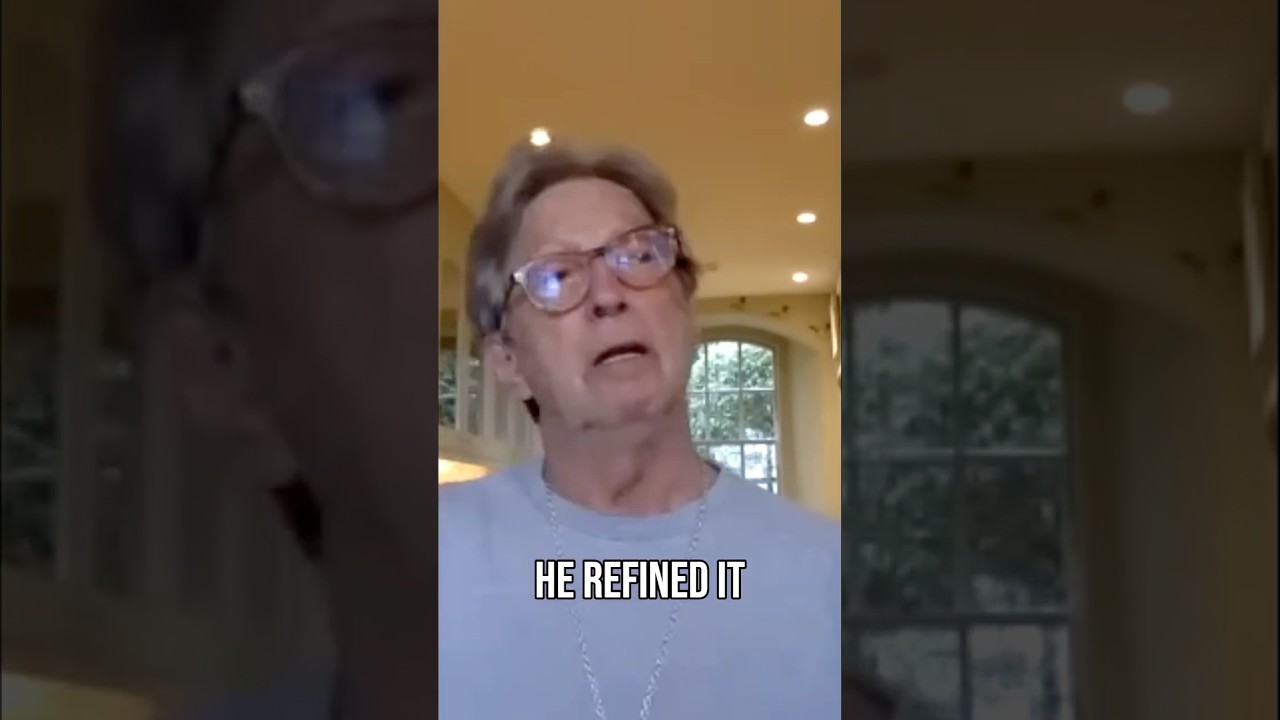
Speaking in an interview uploaded to YouTube by Enter the Jam, Clapton described a nightly ritual that became unexpectedly restorative.
“We were doing gigs in Europe, and I was really getting down, I was not well,” he said. “I still had COVID, and I was playing gigs. [Afterward], I’d go back to my room and find Jeff’s gig from the night before on YouTube, and I’d watch that. It would lift me up to where I could work that night for my thing.”
What he was responding to wasn’t nostalgia, but evolution. Beck — who took over Clapton’s spot in the Yardbirds in 1965 — had developed into something Clapton felt was still advancing, even decades into both men’s careers.
“To me, it seemed like he’d moved on,” Clapton said. “He’s constantly been moving up a notch all the time, every year. The refinement in his right hand and the independence between the fingers is so phenomenal.”
That sense of continual progression, Clapton suggested, became a kind of antidote to his own creative fatigue. Watching Beck’s remarkably fluid touch on electric guitar didn’t just remind him of their shared history in the British blues explosion—it demonstrated that reinvention was still possible.
At a moment when Clapton was questioning his own endurance onstage, Beck’s playing provided a reset: a reminder that technical growth and expressive depth don’t have an expiration date.
In that sense, the inspiration ran both ways. Beck and Clapton had shared stages and eras since the 1960s British blues boom, but in Clapton’s telling, it was Beck’s later-life refinement — not their shared past — that helped him push forward again.

