


Keith Richards and Mick Jagger have co-written scores of Rolling Stones hits. They include number-ones like “(I Can’t Get No) Satisfaction,” “Get Off My Cloud,” “Paint It, Black,” “Ruby Tuesday,” “Honky Tonk Women,” “Brown Sugar,” “Angie” and “Miss You.”
But as he reveals to Guitar Player, songwriting wasn’t part of his and Mick Jagger’s game plan originally. The Stones were a blues group and were content to play electric guitar–driven covers of classic tracks by the blues masters.
”Songwriting is something I got thrown into out of necessity,” Keith says. “It would never have occurred to me to be a songwriter. I wanted to be a guitar player.
“And then suddenly you’re successful with your first record, which is cover jobs, but luckily of great songs which nobody had ever heard or can’t remember. There was no idea of going beyond that, except suddenly the first album is outselling the Beatles. And they’re going, ‘Next!’ And you’re thinking, How many other great songs are out there?
As Keith explained, the first song he and Mick Jagger wrote wasn’t for themselves. It was for Marianne Faithfull, and it went to the top of the charts: “As Tears Go By,” from June 1964.
“Suddenly, ‘Oh, we’re songwriters,’ with the most totally anti-Stones sort of song you could think of at the time. When you start writing, it doesn’t matter where the first one comes from. You’ve got to start somewhere, right?”
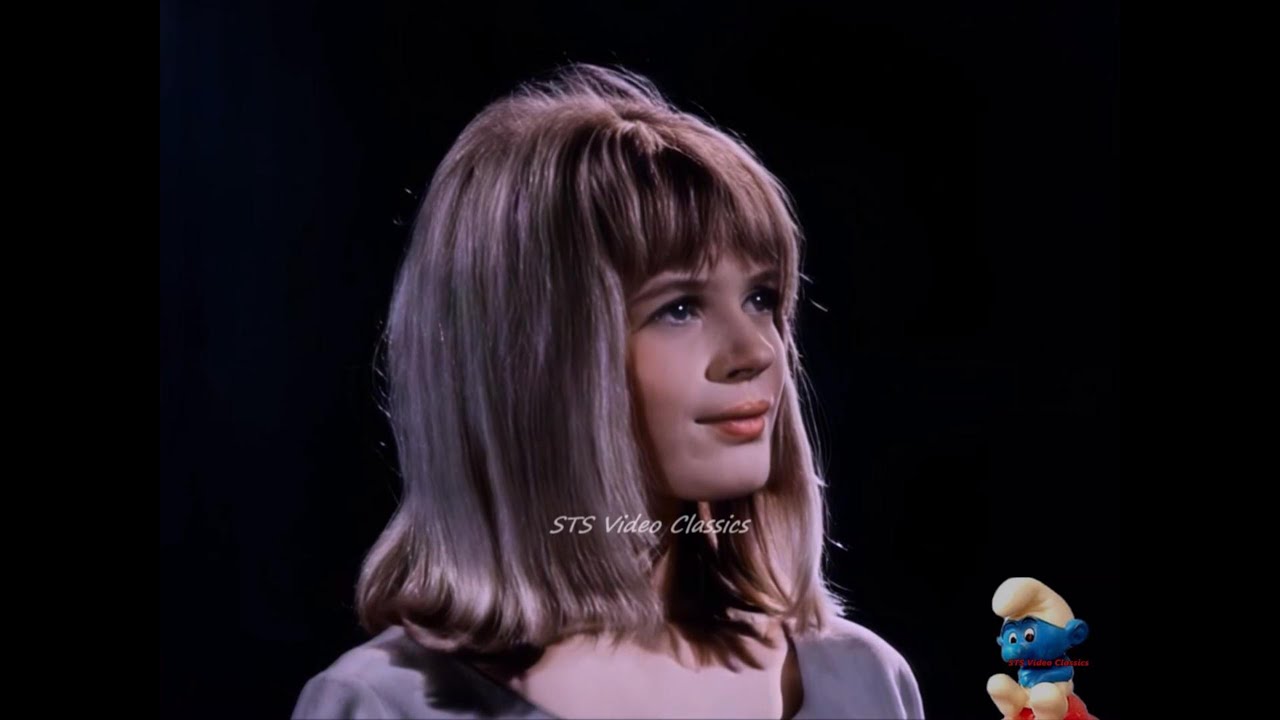
But creating the song took a special effort from the Stones manager, Andrew Loog Oldham.
“Andrew locked Mick and myself into a kitchen in this horrible little apartment we had,” Richards recalled. “He said, ‘You ain’t comin’ out’ — and there was no way out. We were in the kitchen with some food and a couple of guitars, but we couldn’t get to the john, so we had to come out with a song.
“In his own little way, that’s where Andrew made his great contribution to the Stones. That was such a fart of an idea, that suddenly you’re gonna lock two guys in a room and they’re going to become songwriters. Forget about it.
“He had no idea, but it was worth a try, and it worked. In that little kitchen Mick and I got hung up about writing songs.”
We were in the kitchen with some food and a couple of guitars, but we couldn’t get to the john, so we had to come out with a song.”
— Keith Richards
Despite the success of “As Tears Go By,” it took a while before Keith and Mick hit on a tune they felt good about.
“We were writing these terrible pop songs that were becoming top 10 hits. I thought, ‘What are we doing here playing the fucking blues and writing these horrible pop songs and getting very successful?’ They had nothing to do with us, except we wrote ’em.”
It wasn’t until they wrote their 1966 A-side “The Last Time” that they came up with a song they felt was suited to the Rolling Stones.
“It took us a while to come up with ‘The Last Time,’” Richards says. “That was the first one we came up with where Mick and I said, ‘This is one we can lay on the guys.’ At the time we were already borrowing songs from the Beatles — ‘I Wanna Be Your Man’ — because we were really hard up for singles. So they gave us a hand.

“In retrospect, during the ’60s the Stones and the Beatles were almost the same band, because we were the only ones in that position. We would work with each other instead of against each other. Which is very interesting, because for the most part people were either a Beatles or a Stones man, where 10 years earlier you’d have been an Elvis or a Buddy man.”
Richards — who would go on to create novel new guitar sounds by playing his axe through a cassette recorder for their hit “Jumpin’ Jack Flash” — says he was stunned by his and Jagger’s success as songwriters.
“But at the same time it’s humbling, because you realize, ‘Hey, I didn’t write this. I just happened to be around when it came by.’ People today run themselves into a corner thinking they actually create these things.
“The idea that you create songs can fuck you up, because then it’s all on your back. Treat it in a lighter way and say, ‘This is what I do.’ If you can write one song, you can write 900. They’re there.”
