
Johnny Cash wrote hundreds of songs, but at heart he was a storyteller. Born in 1932, he favored narrative over abstraction, working in the tradition of the great folk singers of the ’30s. In doing so, he inspired countless performers across genres, ranging from Kris Kristofferson to the Who’s Roger Daltrey.
As Cash told Guitar Player in 1994, the raw material for his songwriting was life itself. Raised in the country during the 1930s, he absorbed storytelling as a daily ritual, and it became the force behind the vivid scenes that define his music.
“I can remember listening to my dad tell stories nightly until I was as old as 12,” he said. “When I was a little boy there was no TV. Sometimes in the middle of the winter the radio’s battery would go dead. There’d be no power. We didn’t have electricity. All we had were books and each other.

“That storytelling thing is a tradition of mine. I carried that on into my recordings, my writing, and into my TV show.”

That instinct surfaced most clearly on The Johnny Cash Show, where a recurring segment called “Ride This Train” blended spoken reminiscence with song. Cash would evoke a place, then sing about it, using personal memory to reflect the country’s wider human landscape.
“That came from my father. In the Great Depression of the early ’30s he was a hobo,” Cash said. “There were two kinds of hobos — bums, and hobos who went out looking for work. He rode the rails and sent every penny back to my mother.
“Once he was riding the rods, underneath a boxcar — the most dangerous way you can travel. It was February, and when they got into Pine Bluff, he and his buddy were so cold they couldn’t move. The rail detective saw them, dragged them out, and beat them half to death.
“By the time the train was ready to pull out, they’d been beaten enough that their blood was circulating again, I guess. As the train started moving, they jumped into the boxcar with the railroad detective standing there, waving his fists at them. They got away.
As the train started moving, they jumped into the boxcar with the railroad detective standing there, waving his fists at them. They got away.”
— Johnny Cash
“He told stories like that — human-interest stories about hardship, danger, and the strange fun of life on the road. Hobo camps were always risky places, with fighting, stealing, and knifing going on.”
Cash later turned many of those memories into songs, including “Riding on the Cotton Belt,” “Picking’ Time,” and “Five Feet High and Rising,” which he said was “about the flood that ran us out in ’37.”
Yet one of his most famous songs came from pure imagination. Cash had never been incarcerated when he wrote “Folsom Prison Blues.” He was stationed in Germany with the U.S. Air Force when the song began to take shape, “before I was in the music business,” he said.
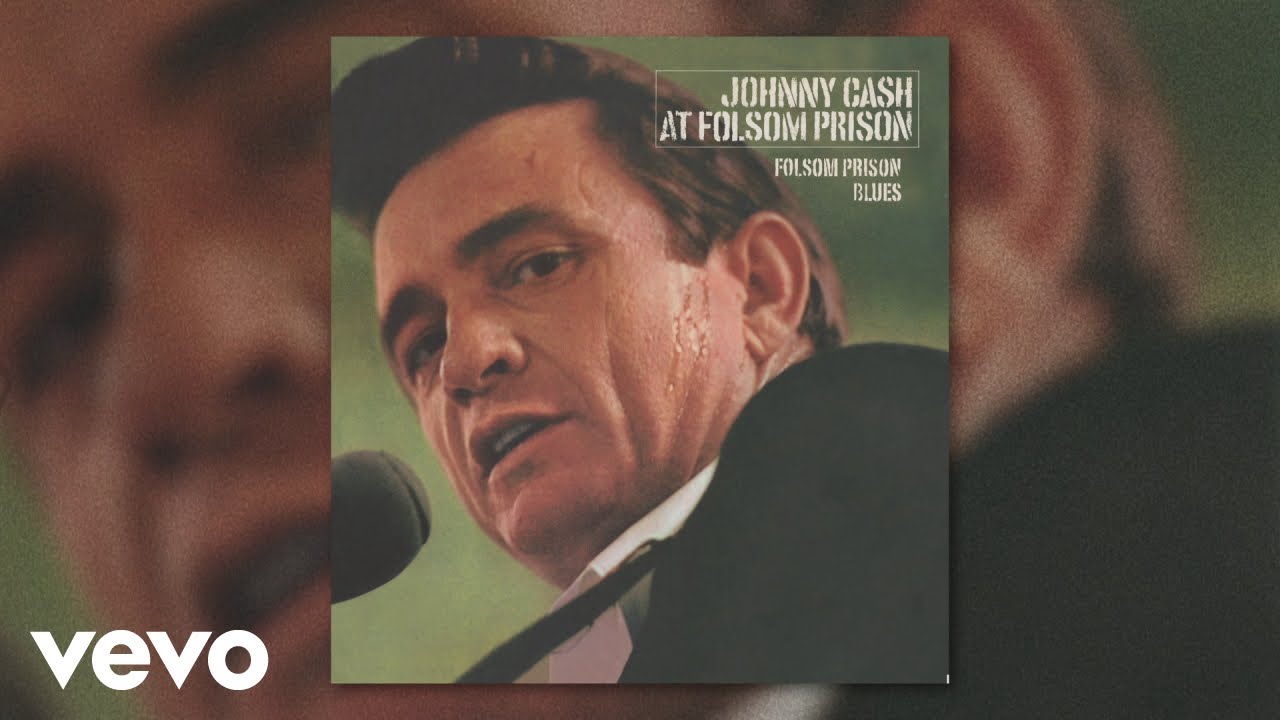
“I went to the base theater in 1953 and saw a movie called Inside the Walls of Folsom Prison. It was a big movie at the time. I couldn’t get it off my mind.
“I went back to my barracks and started writing lyrics. I don’t remember the first lines. I’d just seen this movie and felt what it was like to be in prison through those prisoners and that story.
“I thought, I’m going to write this song as if I’m a criminal. What could be the worst thing a criminal could do? Shoot a man just to watch him die.

“That’s where those lines came from. It came out of my head, but it was like the songs I’d written about the farm — I wrote them as if I were there.
“A lot of people believed I had been there. But like Merle Haggard once said, ‘Johnny Cash understands what it’s like to be in prison, but he doesn’t know.’”
Cash delivered a similar jolt with “Delia’s Gone,” a traditional ballad included on American Recordings, his 1994 album of tunes recorded at his home, where he accompanied himself on a pair of Martin dreadnought acoustic guitars.
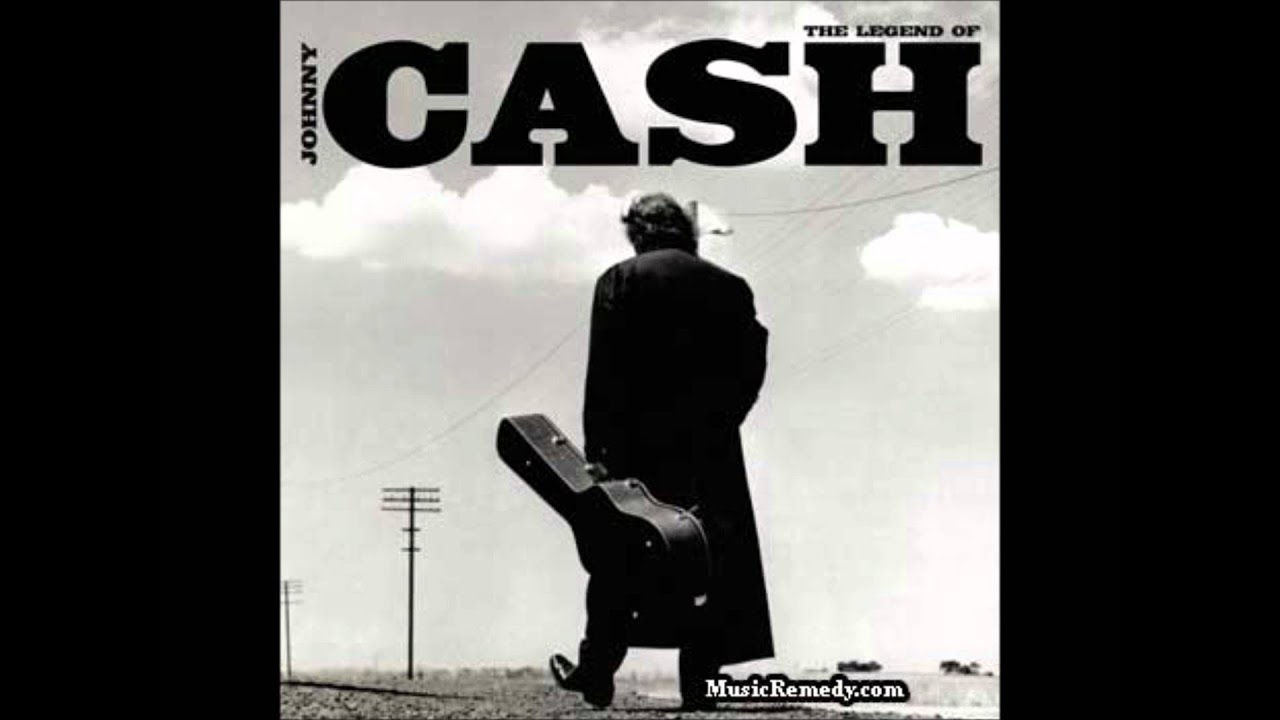
Written most likely in the 1920s, the song recounts the 1900 murder of 14-year-old Delia Green by her 15-year-old boyfriend. It has been recorded by artists ranging from Burl Ives and Harry Belafonte to Bob Dylan and Josh White.
“The most shocking lines in ‘Delia’ are from the original version, back in the ’20s or ’30s,” Cash said. “I wrote all but two of the verses here. I made more of a story out of it: ‘I went up to Memphis looking for Delia, and I found her. Went to her house, she’s sitting in her parlor, and I tied her to her chair.’ Those are my lines.
“‘The first time I shot her, shot her in the side, hard to watch her suffer but with the second shot she died,’ comes from the original.
“I had no idea it would end up on this album. I’ll write a song just for myself, eventually sing it for a producer, and suddenly it’s on the record. That happens a lot.”
