“My playing has always sucked, but it sells,” Steve Cropper told Total Guitar in 2024. “I keep it simple, I guess. I'm not a guitar player. I never took the time.”
Cropper — the electric guitar legend who died Wednesday, December 3, at age 84, of an unspecified cause — was being modest. Thousands of music fans will agree he was a guitar legend like no other.
As a guitarist, songwriter and producer, he helped define the sound of soul music and the iconic groove of Stax Records. Whether performing with Booker T. & the M.G.'s or on cuts by soul artists like Otis Redding, Sam & Dave and Wilson Pickett, Cropper's clean, economical and rhythmically precise playing elevated countless hits and cemented his status as one of music's most influential figures.
Cropper had his share of fans over his long career. Pearl Jam’s Mike McCready is enamored of his guitar work, as are Steve Kortchmar and Chris Armstrong. According to George Harrison, the riff from the Beatles’s 1965 track “Drive My Car” was inspired by Cropper.

Even Jimi Hendrix borrowed from him. Compare the intro of Sam and Dave’s “Soul Man” to Hendrix’s posthumously released track “Night Bird Flying.” It’s the same lick.
It’s obvious why Hendrix took from the master of the Telecaster. Cropper’s “Soul Man” riffs are the song’s signature melodic hook. He explained the main figure to Guitar Player years ago.
“‘Soul Man’ is sort of a lick within a lick, with all those little ups and things,” Cropper explained of the riff’s up and down melody. “I play it like a drum. I've been a metronome all my life. If you set the groove, it ain't going to go nowhere.”

Cropper allowed that he’d learned as much about groove from working with Booker T & the M.G.’s drummer Al Jackson. “Playing with him that many years, you just learn how to keep the groove,” he said.
But Cropper’s work on “Soul Man” is more tactical than it might seem. Listening to the tune, you might notice that he switches between rhythmic chords on the verses and sweetly played slide licks on the chorus. While you might rightly assume he kept a slide poised and ready on his pinkie like many players do, Cropper took a much more casual approach — although one that required more coordination.
“I used a Zippo cigarette lighter,” he revealed with a laugh. ”I kept it right on my knee. I just picked it up and played it. Couldn't move too much, 'cause it would vibrate off."
Of course his lines are particularly complicated to play. That was the charm of Cropper’s guitar work. It was efficient and to the point, just what the song needed. His understated lines are transcribed in books such as The Best Of Memphis R&B For Guitar, which demonstrates that even simple lines can offer valuable lessons in economy and restraint to experienced players.
Cropper was never a guitarist intent on dazzling. Rather, he was there to get a job done, and do it well, whether playing guitar or producing behind the scenes. As he revealed in 2019, he was under consideration to helm the Beatles' Revolver album in 1966, but Brian Epstein scuttled the idea after he determined security around the Memphis-based Stax studio was not tight enough for the Fab Four.
Nevertheless, Cropper would work with John Lennon on the former Beatle's 1975 solo album, Rock 'n' Roll. His mile-long resume also includes work with B.B. King, Roy Orbison and Peter Frampton, and earned him a reputation as one of the best guitarists of his time.
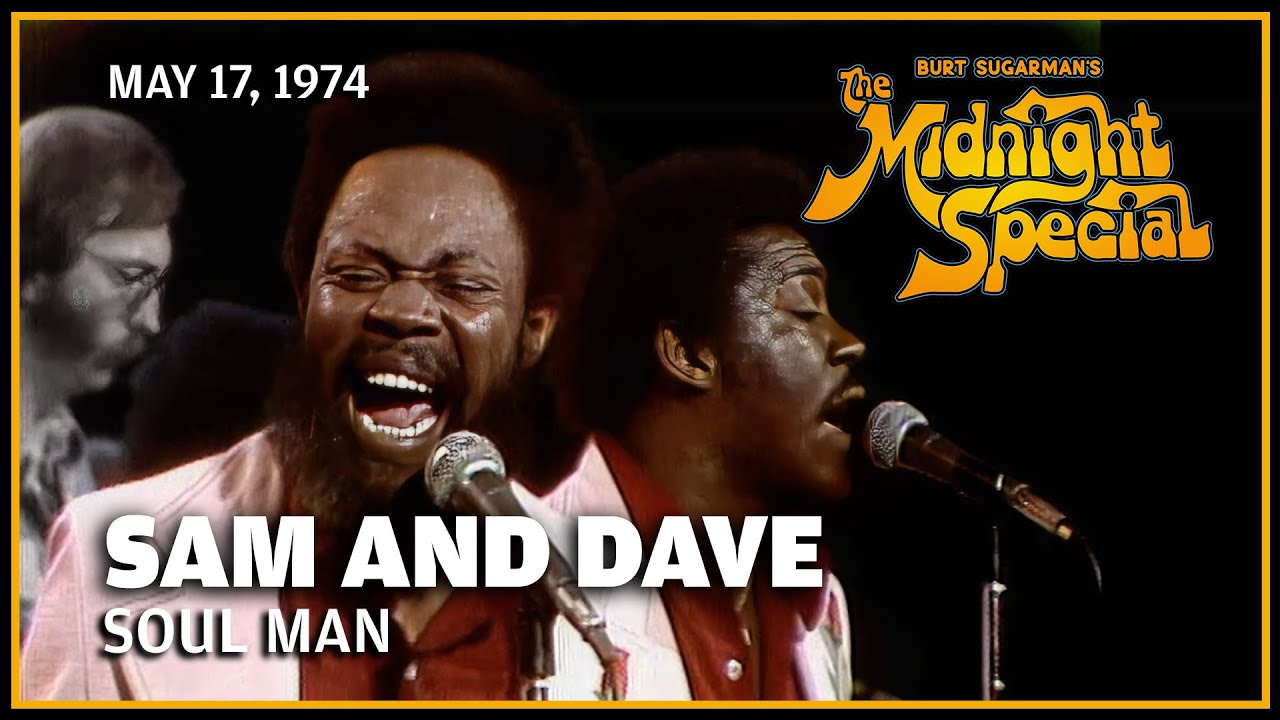
Cropper can be seen supporting Sam & Dave on “Soul Man” for their May 17, 1974 performance on The Midnight Special.