
Lucinda Williams still remembers the first time protest music truly hit her.
She was barely a teenager when she heard Bob Dylan’s 1965 landmark, Highway 61 Revisited. It wasn’t just an album; it was a revelation.
“I started reading about him and listening to other singer-songwriters of that era, like Joan Baez and Judy Collins,” the 73-year-old tells PBS NewsHour. “They were all writing these songs about social injustice and anti-war. And I love those songs, and they spoke to me.”
Nearly six decades later, Williams has added her own voice to that tradition. Outraged by what she sees as mounting assaults on human rights in the United States, she confronts the present moment head-on with her latest album, World’s Gone Wrong. Across its 10 songs, Williams urges listeners to reclaim their spirit and push back.
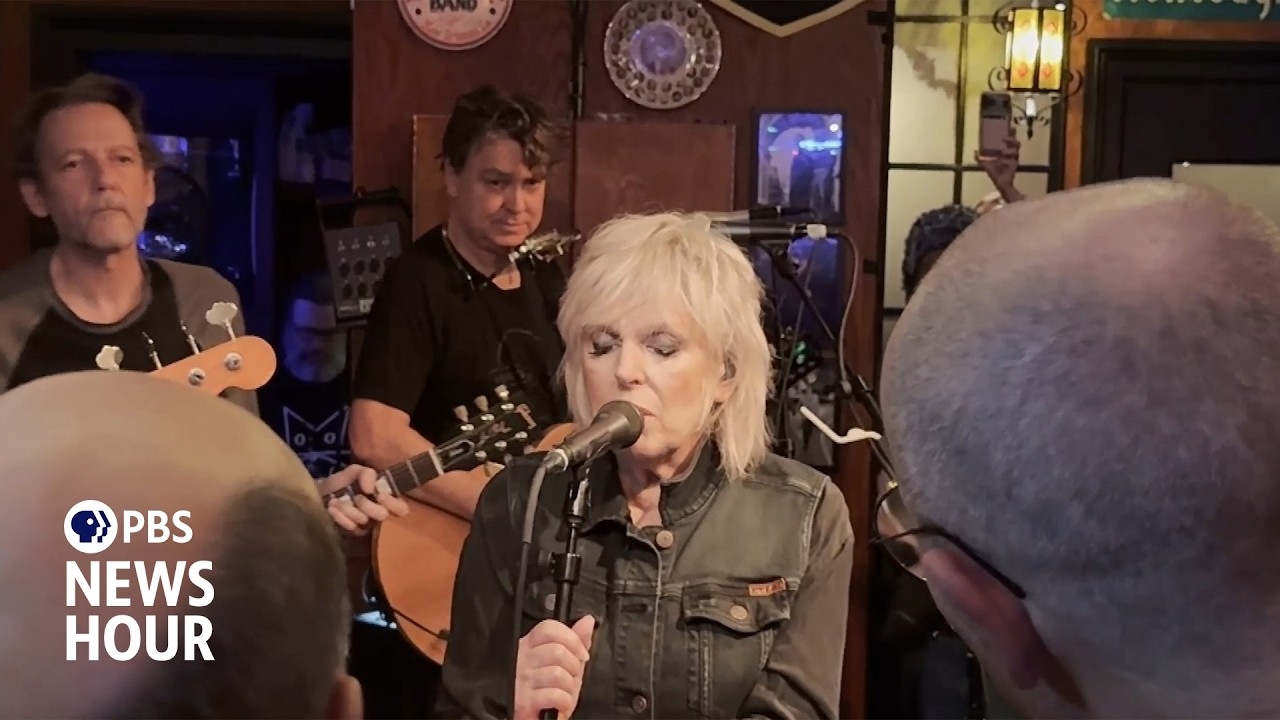
She doesn’t mince words about its purpose.
“It’s kind of a commentary on things that have been going on and just how it makes people feel,” she says. “And it helped me to write about it. That’s why I write songs.
“Maybe I’m old-fashioned, but I feel like the artist’s role is to speak about what’s going on.”
Williams has always been one of music’s most compelling storytellers. From her breakout hit “Passionate Kisses” to the songs of love and heartbreak that populate 1998’s Car Wheels on a Gravel Road, she has an eye for meaningful details that connect with listeners’ hearts.
So while World’s Gone Wrong has its foundation in protest music, it’s equally rooted in solidarity and hope. Nowhere is that clearer than on its closing track, “We’ve Come Too Far to Turn Around,” which draws inspiration from the communal power of classic protest anthems.
“That’s a very powerful feeling, to stand with a whole bunch of like-minded people, singing songs like that,” she says. “I wanted to feel that again. If you watch the news or read the newspaper, there is something every day that’s upsetting.”
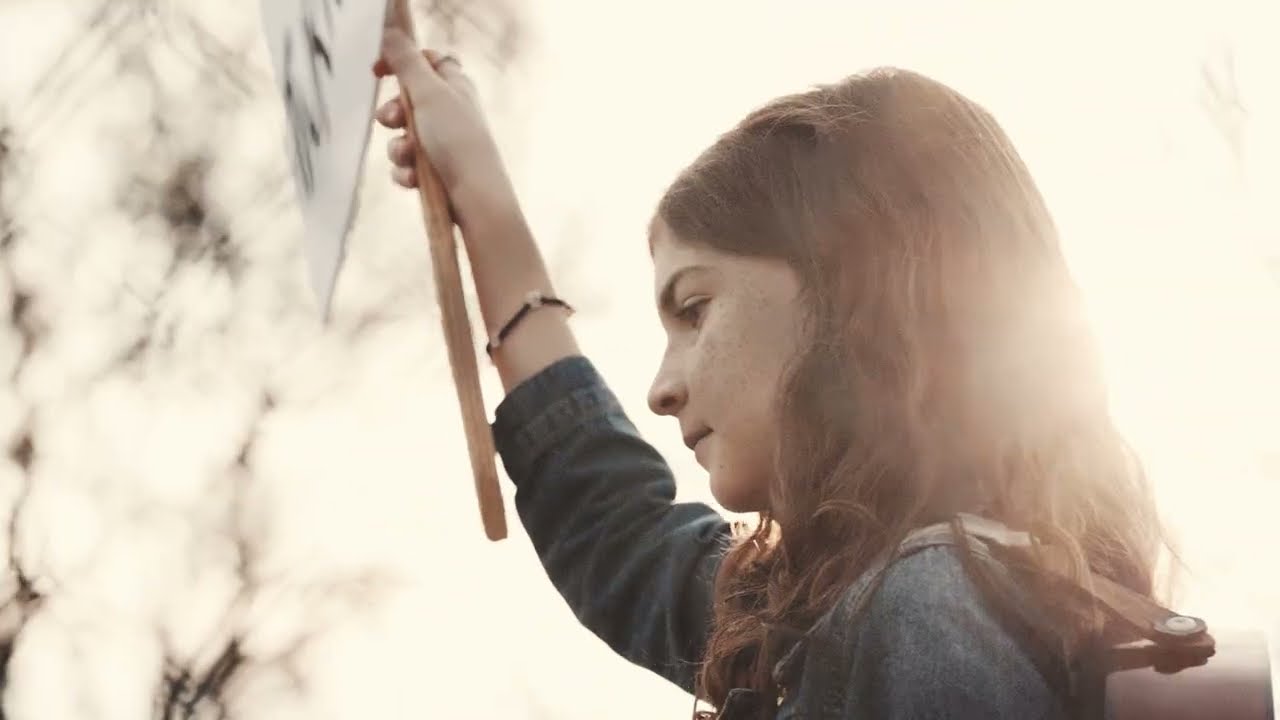
Williams has watched as Americans have taken to the streets in protest, but she believes more urgency is needed.
“They’re not responding enough,” she says. “What I’d like to see would be more marching, more demonstrations. Just speaking out more.”
Her call to action comes as she continues to fight a quieter battle of her own. In November 2020, Williams suffered a stroke that left lasting physical and cognitive effects. The road back has been slow. Once rarely seen without an acoustic guitar in her hands, she’s had to accept limits she never imagined.
“I still struggle when I walk,” she told NPR’s Morning Edition. Her tour manager helps her navigate the stage, and she frequently grips the mic stand to steady herself.

But one essential instrument remains untouched.
“I can sing,” she says. “I’m not playing guitar right now; that’s going to have to come later.”
The stroke also brought brain fog and memory lapses, which have continued through her recovery.
“That kind of confusion and memory loss,” she says. “I just try really hard to focus and pay attention. I’m fine when I go onstage. I know what I’m supposed to do.”
And she’s still doing it. Williams continues to tour, bringing her new songs and their message to audiences across the U.S. and Europe. If there’s a secret to her perseverance, she says, it may come down to sheer force of will.
“Maybe a little stubbornness,” she says with a faint laugh. “You know, a little stubbornness never hurt anybody.”
