
Ian Anderson has never treated the guitar as a free-range instrument in Jethro Tull. For more than half a century, the band’s leader has demanded discipline, economy and narrative purpose from anyone who dares to play a guitar solo under the Tull banner.
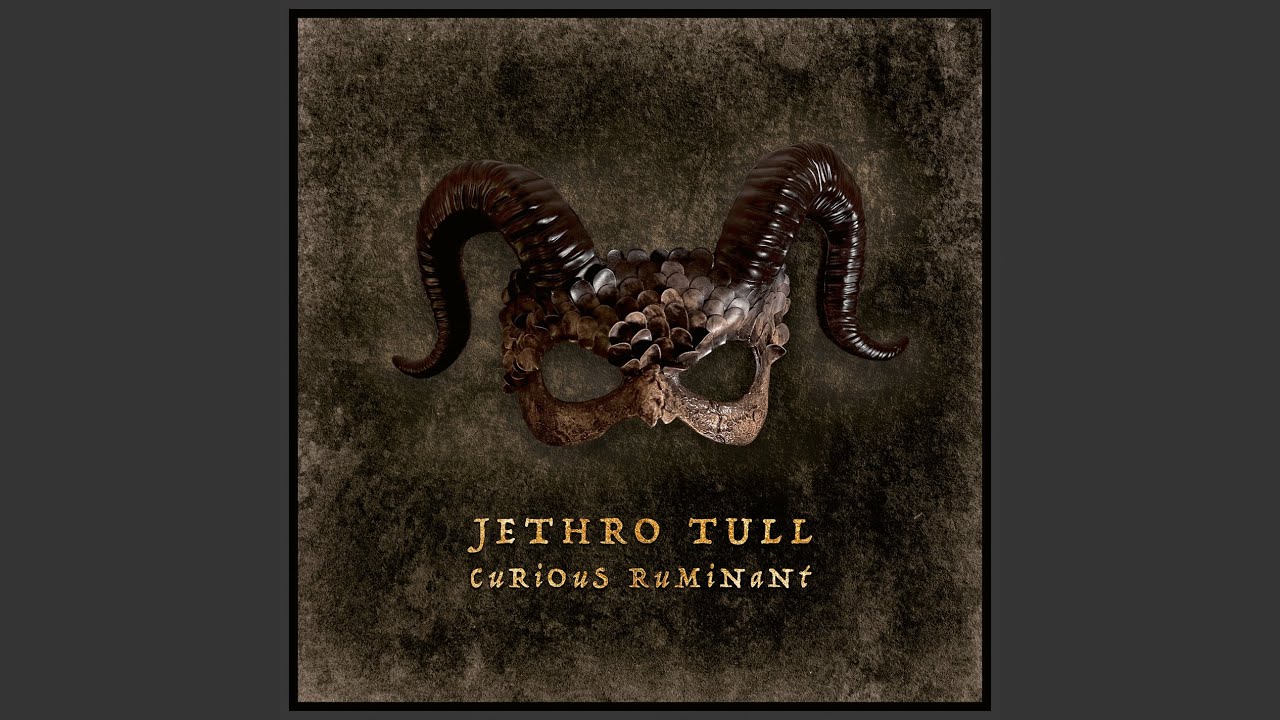
That philosophy remains firmly intact on the band’s latest album, Curious Ruminant, even with a new guitarist in the fold. The band’s 24th studio entry — and their third of the decade following a near-20-year drought — has been warmly received in prog circles, landing a Top 10 spot in Prog magazine’s Albums of the Year list.
It also marks the first Tull release to feature Jack Clark. The young Brit initially joined the band in 2022 as a stand-in bass player, before being promoted to lead guitarist in 2024 following the departure of Joe Parrish James.
“I already knew that Jack had the musical skills and understanding of the Tull lexicon,” Anderson wrote on the band’s website, “but could he manage all the intricate ensemble passages and high-flying free solos? Well, the answer was obvious at the rehearsals we did before Jack’s first full-on guitar shows. During the next few shows, he revealed himself to have all the chops — and the meat and potatoes to go with them.”
Speaking to Classic Rock about Curious Ruminant, Anderson says he was eager to fully exploit the newcomer’s abilities on the band’s typically sprawling new LP.
“Turns out Jack’s a really good lead player,” the band’s chief songwriter says. “On this record, he impressed me with intelligent, measured guitar solos, with lots of semiquavers in the right places. But Jack’s not afraid to hang on a note, either.”
Still, as the long line of guitarists who’ve passed through Tull can attest, Anderson is a demanding taskmaster. Clark wasn’t given free rein to blaze across the fretboard of his Suhr Stratocasters and Sterling by Music Man John Petrucci models. And speed for speed’s sake was never the goal.
“That was something I impressed upon him when he first joined,” Anderson explains. “‘If you have a 16-bar guitar solo, please don’t turn into Yngwie Malmsteen or Joe Satriani.’”
Clark fared better than at least one previous studio scenario, when Anderson took recording matters into his own hands. “Sometimes, in order to get the job done, you have to do it yourself,” he once declared, resulting in the only time he ever tracked a guitar part with a Les Paul.
Anderson has long credited another British guitar great with curbing any ambitions of becoming a six-string hero himself, preferring instead to rely on the talents of others. Original guitarist Mick Abrahams was ultimately dismissed for, in Anderson’s words, “misappropriating the blues,” but his replacement, Martin Barre, helped define the Tull sound by drawing inspiration from a less-celebrated blues stylist.
Barre, who was famously thrown in at the deep end during his earliest shows with the band, has since spoken about the aspect of guitar playing he “avoided like the plague” until a pointed comment from an American shredder forced him to confront it. He’s also discussed Jack White, Jimi Hendrix, and a secret gig with Paul McCartney in a recent Guitar Player interview tied to the release of his new memoir.

