
Andy Summers’ hit-making run with the Police was powered by a study in contrasts: a red 1962 Fender Stratocaster and a heavily modded early-’60s Telecaster of murky origin. The Strat delivered the shimmer; the Tele was the secret weapon — even if Summers initially hesitated to buy it.
He considers both guitars “major historical items,” now worth millions because of the provenance forged by his playing. The Tele, in particular, cut some of the band’s biggest tracks — “Roxanne,” “Don’t Stand So Close to Me” and “Every Breath You Take,” home to one of the most-played riffs in pop history.
For years, lore held that the guitar came via a swap with Eric Clapton, who’d allegedly used it on Fresh Cream. In a new interview with Kylie Olsson, Summers sticks to a different account: he bought it from an unknown electric guitar modder who has yet to step forward and claim credit for the instrument’s radical rewiring.
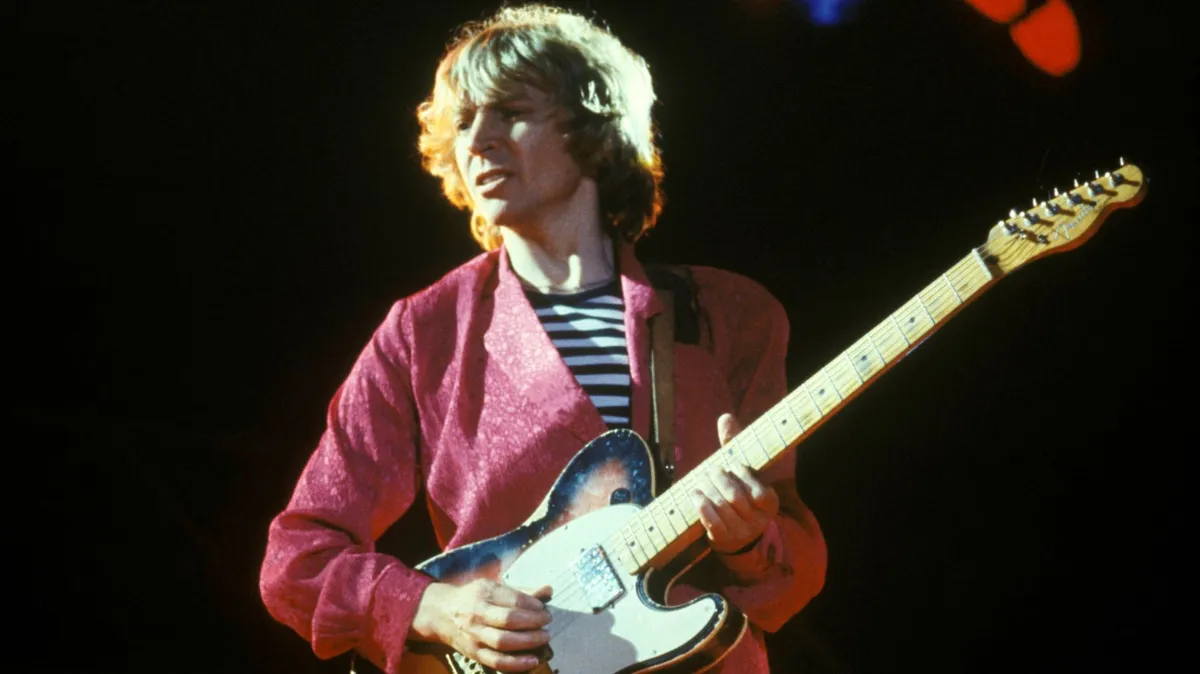
“It came through an era when everybody was messing around with their guitars,” Summers says. “When I got it, I said, ‘I don’t know if I want to,’ but I took it home and played it for hours.”
Any doubts about buying it from “this guy” — whom Summers once described as a student during his pre-Police days in California — quickly evaporated. The guitar’s customized circuitry gave it uncommon firepower.
“It’s a hybrid. This guy put a humbucker in the front, which is totally against the Telecaster thing,” he explains. “This little switch goes into overdrive — it’s like putting on a fuzz pedal. And you can combine the two pickups, which normally you wouldn’t be able to do on a Telecaster.”

The expanded tonal palette made it indispensable, particularly on “Every Breath You Take” — a song nearly left off the album and now at the center of an ongoing intraband legal dispute — as well as a string of other global hits.
The Tele also houses a built-in preamp — a mod associated with Frank Zappa — and an out-of-phase switch that helped Summers achieve his signature, glassy rhythmic bite.
“He wanted $200 for it,” Summers recalls. “I didn’t have the money, but I said, ‘I want it.’ I can’t even remember how I got the money. For years I’d just travel around, throw it in the back of a van, never really thinking about it. Now it’s an iconic instrument. It’s worth millions.”

Its provenance extends beyond the Police. In the early ’80s, as Summers wearied of writing pop songs, the Tele resurfaced alongside Robert Fripp during their left-field collaboration — a project their label doubted but whose success Summers calls the “ultimate FU” to the skeptics.
Elsewhere, he says he believes the story that Sting, desperate to halt one song’s recording, buried its demo in the garden.
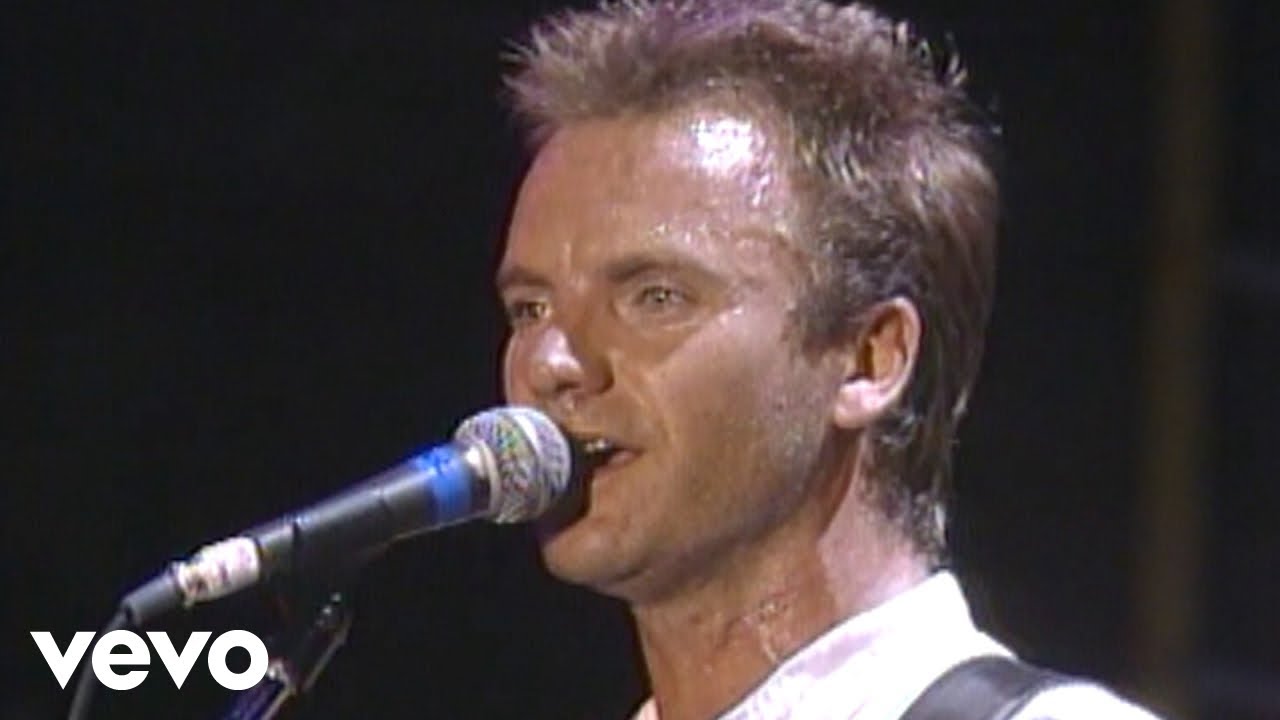
It has also emerged that Sting paid Summers and Stewart Copeland $800,000 after they sued him — though their attorneys maintain they are owed considerably more.
Its provenance extends beyond the Police. In the early ’80s, as Summers wearied of writing pop songs, the Tele resurfaced alongside Robert Fripp during their left-field collaboration — a project their label doubted but whose success Summers calls the “ultimate FU” to the skeptics.
Elsewhere, he says he believes the story that Sting, desperate to halt one song’s recording, buried its demo in the garden.
It has also emerged that Sting paid Summers and Stewart Copeland $800,000 after they sued him — though their attorneys maintain they are owed considerably more.

