
Tina Weymouth didn’t hear the bass the way most players do. She heard horns — and later, drums.
That shift in perspective, pushed further by producer Brian Eno, helped her reinvent the instrument’s role in Talking Heads, turning it from a supporting voice into a driving force.
“There have always been people who pushed for it to be something simple that held the beat together,” Weymouth tells Guitar Player, “a kind of melodic, rhythmic glue, so to speak, between the other melodic instruments and the drums. And I've sort of chosen two different approaches.”

“One is to play bass kind of like the way I would imagine horn parts to sound.”
The other came about in 1980, when Talking Heads made their album Remain in Light. Working for the third time with producer Brian Eno, the group drew from the polyrhythms of Afrobeat and funk, blending them with electronic instruments to create a looping, groove-based form of rock music. Looking for her space, Weymouth shifted her conception of the bass guitar away from that of a horn.
“I began to think about the bass more as a drum — as sort of tuned drums,” she explains.
Weymouth’s nontraditional approach has something to do with her unconventional background. She came to Talking Heads by association, moving to New York City with her husband (then boyfriend), drummer Chris Frantz, and their friend David Byrne.
When the two men were unable to find a bassist for their new group, they approached Weymouth, who had no experience with the instrument. Frantz suggested she learn by listening to Suzi Quatro records. Byrne made her endure three auditions before saying yes.

With the addition of electric guitarist and keyboardist Jerry Harrison, they cut their first album, Talking Heads: 77, with producer Tony Bongiovi, cousin of Jon Bon Jovi. By the band’s account, he didn’t understand their music. Weymouth called him “a hack” and referred to their debut as “an album that really didn't please any of us.”
At that point, the group was still developing its sound. Their early new wave–inspired music wasn’t on Weymouth’s radar.
Before I joined Talking Heads I was really interested in R&B dance music, James Brown, and all the offshoots of that — everybody who was doing R&B at the time.”
— Tina Weymouth
“Before I joined Talking Heads I was really interested in R&B dance music, James Brown, and all the offshoots of that — everybody who was doing R&B at the time,” she says.
That sensibility didn’t translate directly. Early on, she saw her role as supporting Byrne rather than functioning strictly as part of the rhythm section.
“David played a very spiky, tinny rhythm guitar, and it left a big hole between what he was doing and what Chris was doing on drums,” she says. “So there was a tendency on my part to play more trebly, and with less bottom so that it was more midrange, and to play kind of long, sustained, simple notes.
“I would say I do more like half notes and quarter notes than anything like eighth notes, in order to kind of smooth out the spikiness of our sound.”

But in her head, she was thinking of horns.
“In our early songs, such as ‘The Girls Want to Be with the Girls’ or ‘Love Goes to a Building on Fire,’ I thought of doing things that were just like horn bursts that would continue throughout the whole song,” she says.
He put an effect on my bass so that it really sounded like a tuba, and I was real pleased with that.”
— Tina Weymouth
“I wouldn't stop playing, whereas real horn players might not be playing throughout the entire song. I was very moved by the horn parts on James Brown records.”
Then along came Brian Eno, who gave her the chance to put that vision on record. By then, he had already transformed Robert Fripp’s guitar playing approach and David Bowie’s recording methods.
“Eno actually achieved something that I really was pleased with on a song called ‘Electric Guitar,’” she says, referring to a track from the group’s 1979 release, Fear of Music. “He put an effect on my bass so that it really sounded like a tuba, and I was real pleased with that.”
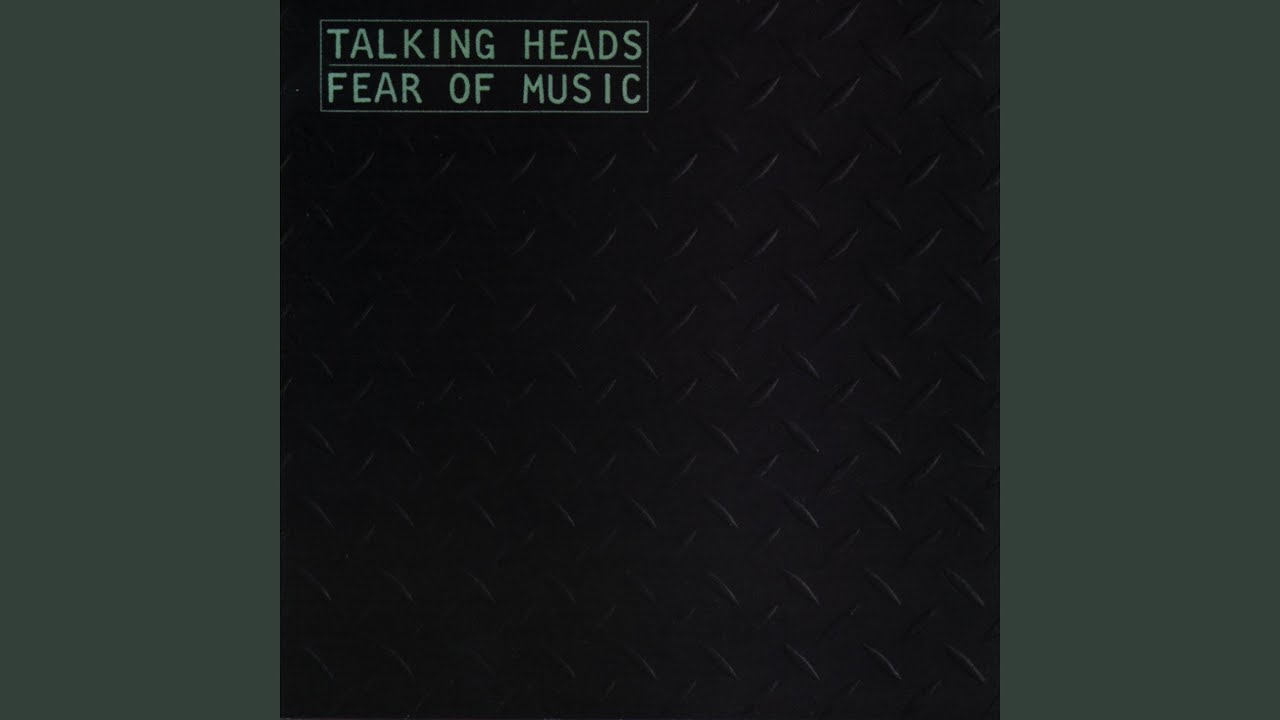
It was a small moment but a telling one: the bass was no longer confined to its expected sonic identity. It could be reimagined, repurposed, and abstracted.
That abstraction reached its peak on Remain in Light, where Talking Heads embraced dense, interlocking rhythms inspired by funk and African music. As the arrangements — which included session guitarist Adrian Belew — grew more layered, Weymouth’s playing became more minimal, locking tightly into the rhythmic grid rather than floating above it, and treating her instrument as tuned percussion.
At Eno’s suggestion, she often recorded multiple bass parts. “I would then decide which ones would be on the verse, and which ones would be on the chorus, and make a cassette recording from that — start taking things out, and then write the vocals, and then see what we could put back in after the vocals were written.

“It was actually a new and innovative kind of thing, and it had begun from something we had learned working with Eno, although we adapted it to our own purposes. It was very innovative at the time, and started a whole new trend in music.”
Remain in Light would be the third and last album Talking Heads recorded with Eno. As Weymouth explained, it became necessary to change direction in order to keep growing. But the lessons she learned from him continued to resonate in her work with Talking Heads, as well as her side project with Frantz, Tom Tom Club.
“Whatever Eno taught us, we would use the things that worked best for us, and adapt them to our own ideas,” she said. “He was a very good person to work with when we were first making records and the record companies wanted us to work with a producer. It was a real pleasure to work with somebody like him.”
