
By the time Joe Walsh joined the Eagles in 1975, his reputation for hard living was already legendary.
The guitarist — who first rose to fame with the James Gang and their hit “Funk #49” and found solo success with “Rocky Mountain Way”— spent decades chasing the excesses that defined rock and roll in the 1970s and ’80s. Looking back now, he says the turning point came when he realized the lifestyle had stopped working.
“I chased it for 30 years,” the 78-year-old says. “Obviously, I thought I wasn’t drinking enough.”

The remark comes with the kind of hard-earned clarity that only arrives in hindsight. Walsh says getting sober in the 1990s ultimately became the key to sustaining one of rock’s longest-running careers.
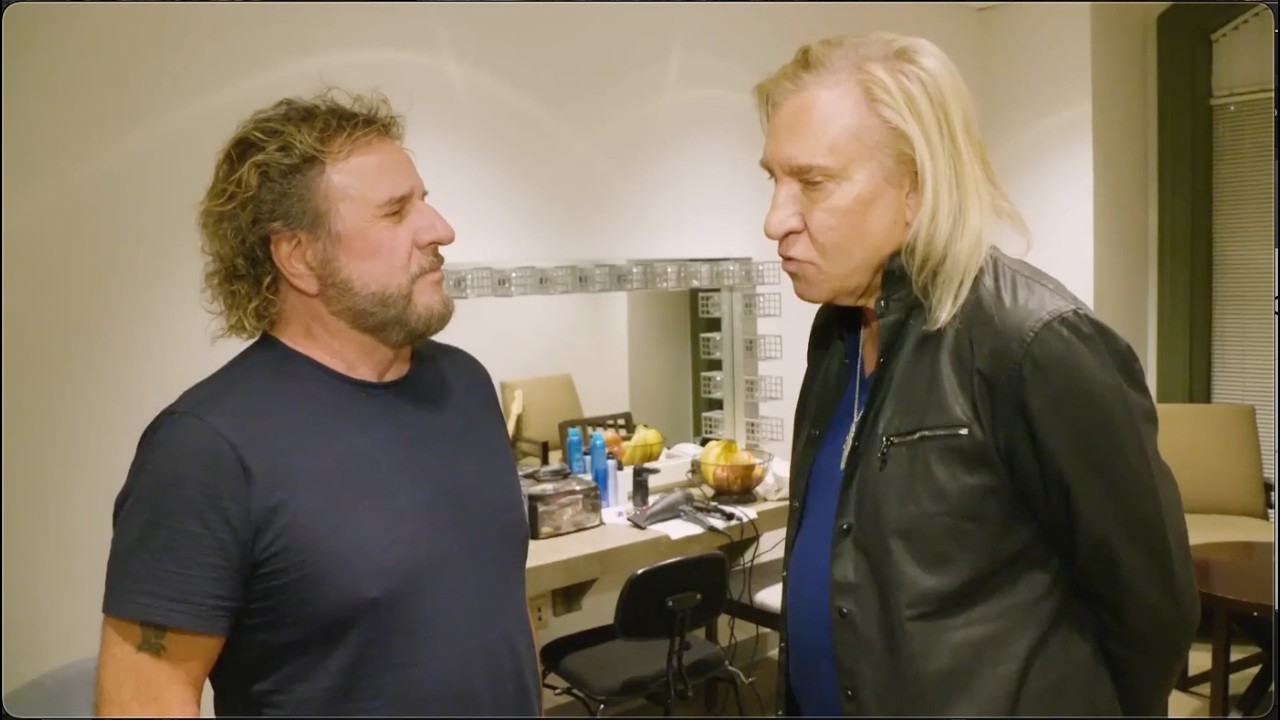
Speaking recently with Sammy Hagar, the electric guitar legend reflected on the lessons he’s learned over more than five decades in music — from staying relevant across generations to confronting the addiction that nearly derailed his life.
“The reason I’m here,” Walsh said, “is if you can break through to a different generation than yours. If more than one generation is aware of your music, you can stick around for a while.”
He added another piece of advice with his trademark humor: “Don’t get famous for 15 minutes — just get famous a little bit and stay that way.”
But Walsh knows longevity in rock isn’t just about music. By the time he joined the Eagles — making his debut with the band on their landmark 1976 album Hotel California — his reputation for wild behavior was already well established.
Partying was often part of the routine, and Walsh’s antics sometimes bordered on destructive. As Eagles cofounder Don Henley has recalled, Walsh’s friendship with Keith Moon occasionally led to chaos on the road.
“We were beginning to get barred from some of the hotels we liked to stay in,” Henley once said.
Eventually, Walsh realized the lifestyle that once fueled him had begun to take control.
“If you have problems in your life that are directly the result of alcohol or whatever substance, you have a problem,” he said. “At some point, you work for it. It doesn’t work for you anymore.”
Addiction, he explained, has a way of convincing people they need it.

“Very subtly, without you noticing, whatever you’re on will convince you that you can’t do anything without it,” Walsh said. “Then it’s got you.”
For Walsh, recognizing that reality meant admitting he needed help — something he says was harder than any performance.
“The hardest thing to do is pick up the phone and ask for help,” he said. “But there’s life after addiction, and it’s good.”
With support from his Eagles bandmates, including Glenn Frey and Henley, Walsh entered recovery in 1993 and has been sober since 1994.
The experience later inspired the 2012 song “One Day at a Time,” in which he reflected on the daily commitment required to stay sober while encouraging others not to feel ashamed of addiction.
More than three decades later, Walsh says the decision to get sober ultimately gave him something he once risked losing: time — time to keep making music, time to reflect, and time to keep moving forward.
For a musician whose career now spans more than half a century, that clarity may be the most important lesson of all.

