
Guitar virtuoso Steve Vai says there was only one time that Frank Zappa commented on his future as a guitar great, and it proved to be a slice of advice that he’s held tightly onto since.
Before he was a superstar solo artist, becoming David Lee Roth's choice of guitarist to wage war against Eddie Van Halen, and before his rockstar spoils as a member of Whitesnake, a young Steve Vai began his career transcribing Frank Zappa’s music. It was no small task, and he’d soon be rewarded with a promotion to the band’s guitarist proper.
“There was only one time he ever commented on my future, and I'm reluctant to mention it,” he tells Billy Corgan's The Magnificent Others podcast. “We were in the studio, just him and me, playing ‘Sleep Dirt,’” an acoustic guitar duet from Zappa’s 1979 album of the same name. “Frank would look for special things in a musician; something that they could do that's quirky and interesting, and he’d pull it out of you and use it in his palette.
“So we were jamming. And I remember just stopping because I was stunned. Just some months before that, I was in my bedroom in Long Island listening to his records, and I had a moment of ‘What's going on?’”
As Vai explains, he was “brand new” at the time, and he found himself in the thick of life in the band of a man he’d spent years idolizing. Zappa, it seems, picked up on his insecurities.
“It was almost like an existential crisis or something,” Vai continues. “So I kind of tripped, and he looked up. He goes, ‘You okay?’ and I said, ‘Frank, I don't know what I'm doing here. How did I get here?’”
Cue the madcap musician to offer some words of wisdom. He asked Vai how many Tommy Marses there are, referring to his keyboardist, Tommy Mars. “There’s one,” Vai responded. He asked him how many Vinnie Colaiutas there are in the world — Colaiuta was the Zappa band drummer for much of his career. “There’s only one,” Vai quipped.
Then he turned the question onto his guitarist: “How many Steve Vais are there?”
“I didn't understand that, because I didn't see myself as anything special whatsoever,” Vai says. “I thought about it, and then he said, ‘I think you're a genius in ways that have yet to be discovered.’”
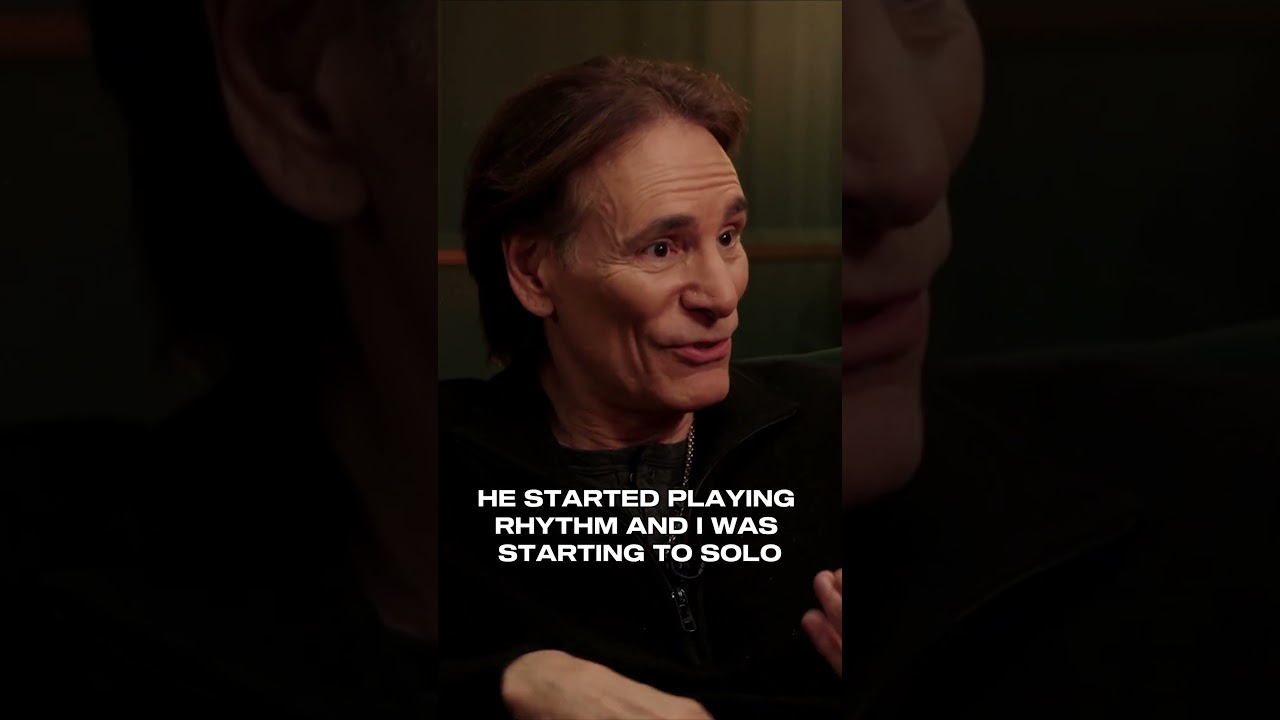
Vai didn’t let that inflate his ego.
“I just thought he was being nice,” he explains. “I just thought it was a nice thing to say. And I didn't understand what he said. I thought, ‘Well, maybe I'll do something great someday. I'm still trying to find it.’
“I think he saw my potential to do something obscure. But everybody is a genius when they find what they love, and they throw themselves into it without any excuses.”
Vai certainly did that, from wolf-whistling guitars on “Yankee Rose” to his insane taming of his multi-necked Hydra guitar, obscure isn’t all that obscure to Vai. His experiences at Zappa’s side — a man who regularly tested his mettle — set him up for greatness.

“I think he was just interested to see how far he could take me with playing crazy stuff on the guitar,” he told Guitar World of the infamous, mind-boggling “The Black Page.”
“But the things that I did with him that I think he got the biggest kick out of were ‘The Jazz Discharge Party Hats,’ or ‘The Dangerous Kitchen’ or ‘Drowning Witch.’ These are all pieces of music that just had an uncanny type of guitar expectations.”
Recently, not content with his prestigious lot, Vai has become Robert Fripp’s successor in the King Crimson spin-off band, BEAT. And when King Crimson’s hand-ruining guitar parts left Adrian Belew in need of surgery, Steve Vai came to his rescue.
Elsewhere, Van has recalled the guitarist he considers more revolutionary than Jimi Hendrix and explained how a theft helped him get Frank Zappa's phone number and kickstarted his career.

