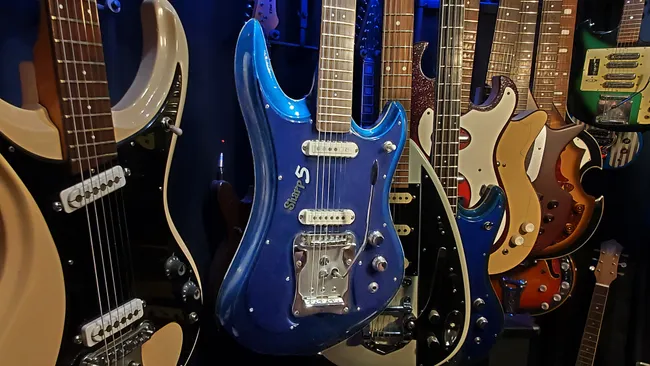


The Police’s sound was built around space — and delay was one of the tools that helped the British trio create it. Guitarist Andy Summers famously used an old tube Echoplex, while Roland RE-301 Space Echo tape delays became a familiar sight in photographs of the band onstage and in the studio.
Now drummer Stewart Copeland has revealed how the Roland units found their way into the Police’s rigs, eventually becoming part of the setups used by all three members. The story begins with a shopping spree at New York’s Manny’s Music in 1979, as Copeland recalls in a new appearance on The Magnificent Others podcast, hosted by Smashing Pumpkins frontman Billy Corgan.
“They had everything,” Copeland says of the legendary music store. “We just went in there and bought everything. Andy says, ‘I’ll take that Roland Space Echo.’ ‘I’ll have one, too!’ We got everything in triplicate. Sting gets a black Stratocaster. I got a blonde Stratocaster. Andy already had 10 Stratocasters.

“Anyhow, the echo, that afternoon we were playing in a place on Long Island called My Father’s Place, and it was the soundcheck from hell because we’re all playing with our new toys. And all my new toys were guitar toys. I already had drums. So, I put the echo thing on the snare drum. And I could click the snare drum, and I discovered that I can create rhythms by bouncing off each other.”
It was an accidental discovery that would become a defining part of the Police’s rhythmic identity. By playing in time with the Space Echo’s repeats, Copeland could create interlocking patterns that added another layer to the band’s already distinctive reggae-influenced sound.
A key ingredient was the dotted-eighth-note delay setting, although Copeland says he and Summers still disagree over who discovered its possibilities first.
“Between us, Andy and I argue about who discovered the dotted eighth note delay line.”
Corgan points out that the technique would later become closely associated with U2 guitarist The Edge, who was exploring similar sounds around the time of the band’s Boy era, using an Electro-Harmonix Memory Man.

But Copeland has a humbling historical footnote. The Police weren’t the first to discover the musical possibilities of rhythmic delay.
“And then one day I listened to Pink Floyd and those assholes, they beat us to it by about 10 years!” he says.
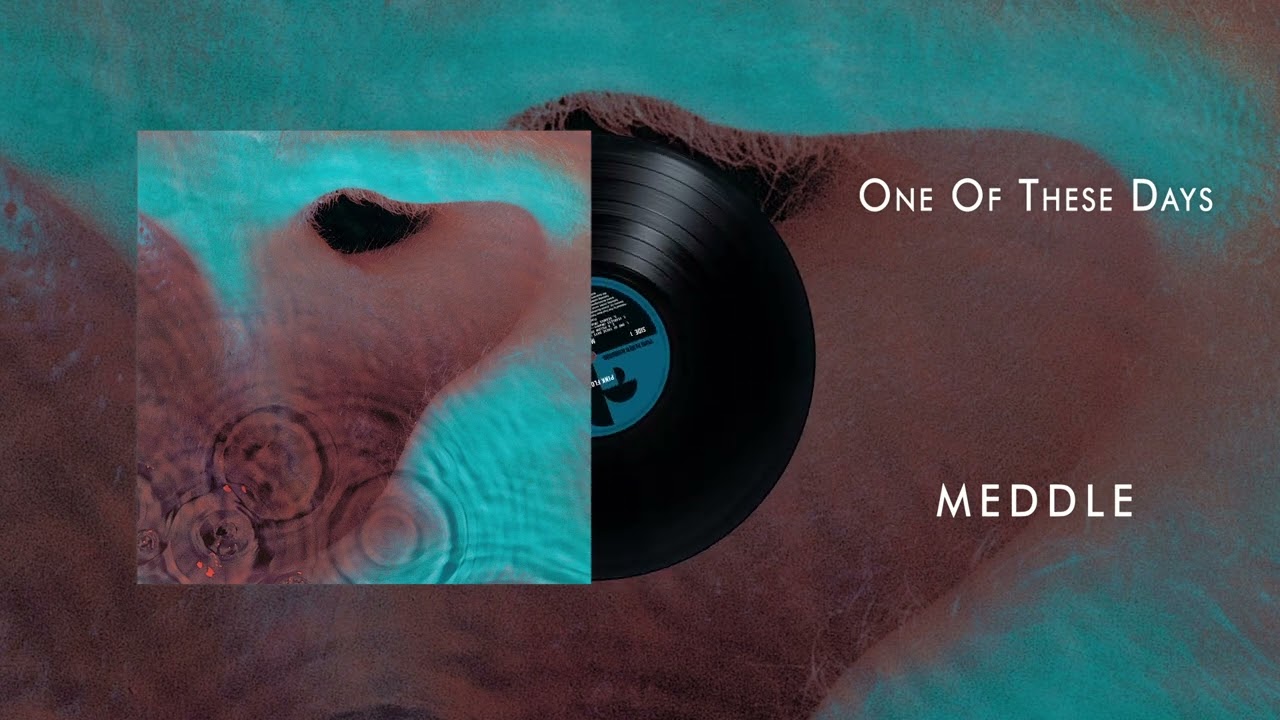
He’s likely referring to “One of These Days,” from Pink Floyd’s 1971 album Meddle. Built around Roger Waters’ bass guitar riff, the track uses a Binson Echorec to create its distinctive repeating pattern.
For the Police, however, the use of echo was part of a broader musical evolution, one that began with the band’s growing interest in reggae. As Summers previously explained to Guitar Player, Copeland introduced Sting to the genre through his record collection, prompting a change in the bassist’s approach that would have a knock-on effect on the guitarist.
“Around Christmas 1978, Stewart loaned Sting his reggae collection, and Sting started picking up on that bass-line approach, which resulted in his leaving more space in the songs,” Summers explained. “At the same time, I got an Echoplex. There was no thought about using it as a tool to create my own sonic identity — I just thought it was cool.
“And as I started reacting to what Sting was playing — or not playing — I organically began opening up even more space by using the Echoplex to play interesting harmonies and rhythms. Suddenly, I was in this crucible with this reggae bass line and a very idiosyncratic drummer who played a lot of hi-hat, and a signature style started to emerge.”
