
Breaking out in an era where guitar virtuosity was turned up to the max, George Lynch more than just held his own against the likes of Eddie Van Halen and Yngwie Malmsteen. As a soloist, he earned his place at the high table of shred. But unlike many of his peers, he wasn’t a perfectionist.
His refusal to retrack a solo on Dokken’s 1984 LP, Tooth and Nail, to replace a cut that was, by all intents and purposes, a misfire, proves that. And yet “Into the Fire” has stood the test of time.
Dokken might not have hit the dizzying heights they were tipped to when they burst onto the scene with 1981’s Breakin' the Chains. But over 10 million album sales, and Lynch catching the eye of esteemed shredder hirer and firer Ozzy Osbourne proves they were hardly a flop, either.
Speaking recently to Music Zoo, Lynch accepts that he isn’t “the super shred guy” – he certainly wasn’t trying to put himself in the middle of fan arguments concerning who burned fretboards better than anyone else, partly because of his humility. As his interviewer begins to wax lyrical about the “Into the Fire” solo as being the crem de la crem of ‘80s shred, he looks surprised.
“It’s not that hard,” he says of its wild, somewhat atonal ascending run. “And it’s also wrong.
“It's not right because I don't know what I'm doing,” he adds. “I tried to play this fast thing, but as a scale, it's wrong. I'm playing it sort of linear; I’m thinking in intervals, but the shape doesn't work in all positions. I was just lazy and never managed to augment that to the scale so that it would be the right notes. I just try to burn through it, so nobody notices.”
Indeed, the fact that it plays in and around the key is what helps give the solo a unique flavor. Malmsteen was able to sweep pick with startling accuracy, and with a perfection that would make Paginni blush, and Randy Rhoads was able to do something even Van Halen avoided, but those players were often very much inside the box.
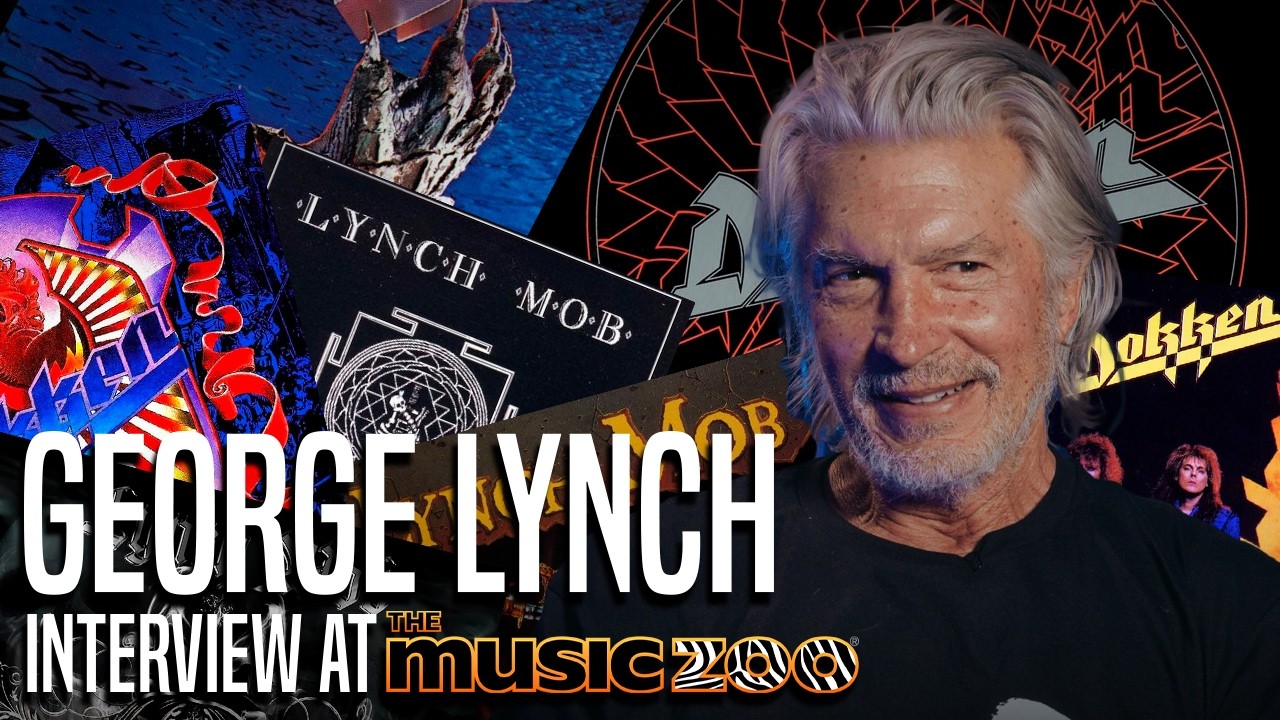
“It’s been 40 years, and people haven’t noticed,” he laughs. “That’s the charm. I always feel bad that I don't come up with solos before I go into the studio, because I don't want to waste people's time, and studios cost money.
“But I was talking to [long-serving engineer] Wyn Davis, and he said, ‘No, George, you're thinking of this all wrong. You are you do things a little differently, but what you're doing is you're composing,’ and once he said that, I felt there was some redemption in there.”
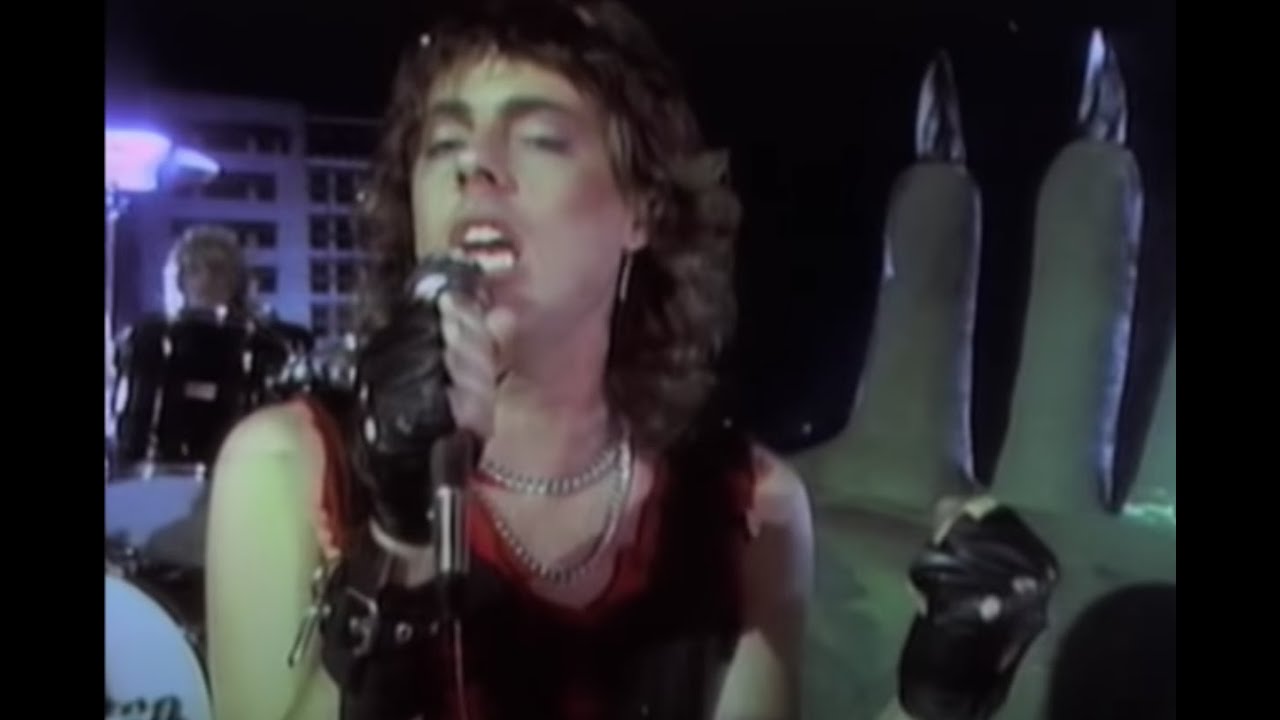
By coloring outside the lines, Lynch was able to create something that made ears prick up, even if it’s a solo that a music teacher would ridicule. Rules are meant to be broken. Purposefully or otherwise.
In the same interview, Lynch recalled the impact a young Eddie Van Halen had on the guitar scene and, in conversation with Guitar Player, Lynch has discussed the pressure to create memorable guitar parts in the Dokken era.

