

Roger Waters has been an ardent supporter of Palestine, a subject that runs throughout his new interview with The Times. But his passion for the cause is matched by his distaste for the mythology surrounding Pink Floyd, the band for which he wrote, sang and played bass guitar for 20 years before his acrimonious departure in 1985.
Waters has spent decades fighting for the soul of Pink Floyd. For him, that soul is Syd Barrett, the band’s founding guitarist, whose mental illness became a recurring theme in Waters’ songwriting. Waters was Barrett’s school friend, and he believes that gives him a unique claim to the band’s history, one that he says has been obscured by the notion that Pink Floyd’s music was a group effort.
Fair enough. As the band’s primary lyricist and conceptual mastermind, Waters earned sole writing credits on 59 tracks and sharing credits on more than 30 others — the bulk of its catalog. He began writing after Barrett became unable to contribute, leaving the group facing an uncertain future.

“Either somebody started writing or the band was over,” Waters tells The Times. “So I entered my apprenticeship.”
David Gilmour arrived to replace Barrett, but Waters is reluctant to give his former bandmate any claim to the founding member’s legacy. Waters wrote “Shine on You Crazy Diamond” as a tribute to Barrett, and he bristles at the suggestion that the song was a collective achievement.
All that crap about: ‘Then they wrote this wonderful ode to Syd…’ No they didn’t! I wrote a song for my school friend.”
— Roger Waters
“All that crap about: ‘Then they wrote this wonderful ode to Syd…’ No they didn’t! I wrote a song for my school friend, and if I sound annoyed about it, well, yeah, I am a bit.”
Of his former bandmates, however, it’s Gilmour who draws the bulk of Waters’ ire. He picks a familiar subject when going after the guitarist: his solo from the track “Comfortably Numb,” a celebrated bit of electric guitar magic that frequently tops best guitar solo lists.
“Every fucking six-year-old learns the guitar solo from ‘Comfortably Numb’ because it’s not that hard,” Waters fumes.
He recalls that Gilmour performed the song with him again in 2011 at London’s O2 Arena. The surprise appearance came during a stop on Waters’ The Wall Live tour and remains the last time the two former Pink Floyd bandmates shared a stage. But Waters is keen to take his former bandmate’s performance down a peg.
“He fucked up bits of it,” he says.
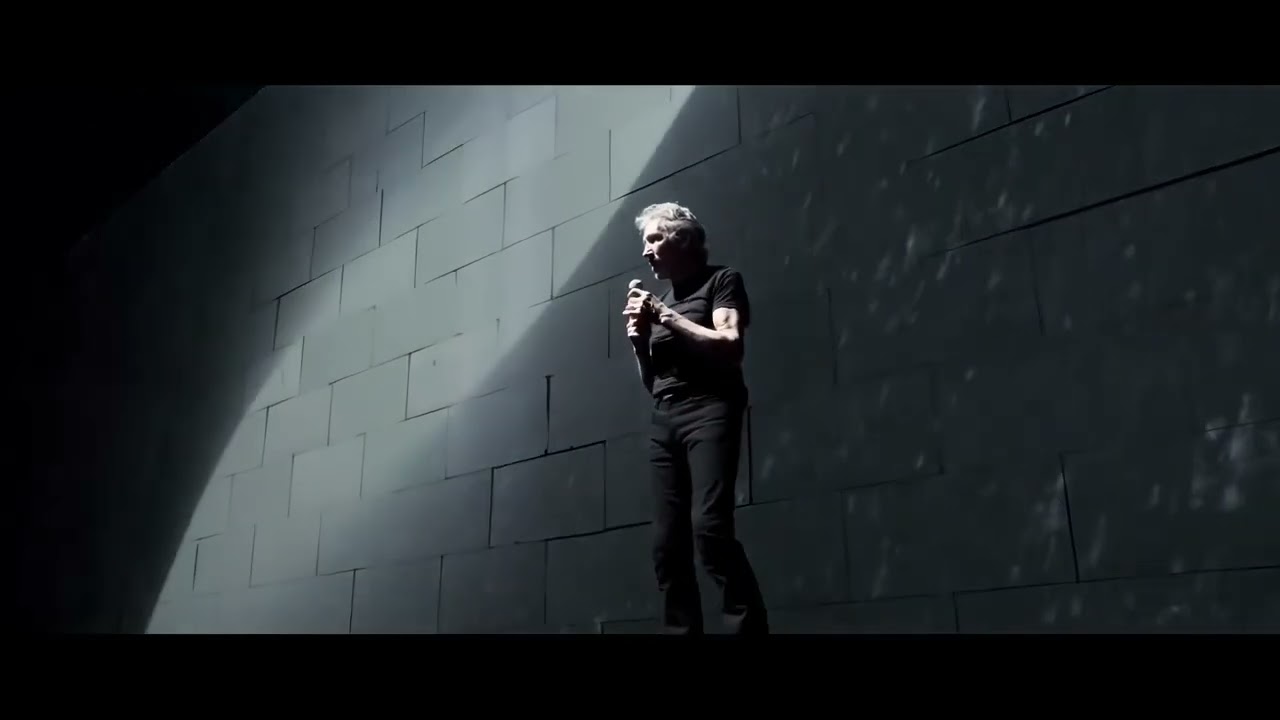
Waters blames “a whole propaganda machine pushing the PF thing” for the dilution of his contributions to Pink Floyd. But it’s clear that Gilmour, rather than the band itself, remains his chief nemesis. Waters also takes issue with Gilmour’s wife, Polly Samson, who has publicly condemned his politics.
Samson, whose father fled Nazi Germany on a Kindertransport, called Waters “antisemitic to your rotten core” in a February 2023 tweet. Gilmour shared the post, adding, “Every word demonstrably true.”
Waters, however, insists that “I don’t have antisemitic bone in my body.” His goal, he says, is “re-establishing Palestine as a democratic state” — a political position he sees as consistent with the central message of his work.
“From 1968 until The Final Cut, which was the last work I did with the Pink Floyd name on it, to everything I did after that,” Waters says, “there is the same theme through the legacy. It is: what the fuck are we doing?”
