
Jimi Hendrix's bandmates signed away their rights to the music they created with the guitarist. But that hasn't stopped their estates from attempting to sue Sony Music Entertainment U.K. (SMEUK) over lost revenue.
Now London's High Court has cleared the way for their suit to commence.
The complaint states that bass guitarist Noel Redding and drummer Mitch Mitchell have been “consistently excluded” from royalty payments over the years. Sony counters that both artists relinquished their right to the work in the 1970s — Redding earned $100,000, while Mitchell received $247,000 — which excludes them from further revenue shares.
Prior to Hendrix's death, the guitarist took 50 percent of the band's royalties, with Redding and Mitchell splitting the rest evenly. In forfeiting their rights to the work, the two musicians signed away their right to file future lawsuits. Their estates are seeking a royalty share in line with the group’s original split.
Hendrix, Redding, and Mitchell formed the Experience in the late 1960s as the virtuoso guitarist pivoted away from his session player days, which included stints with Little Richard and the Isley Brothers.
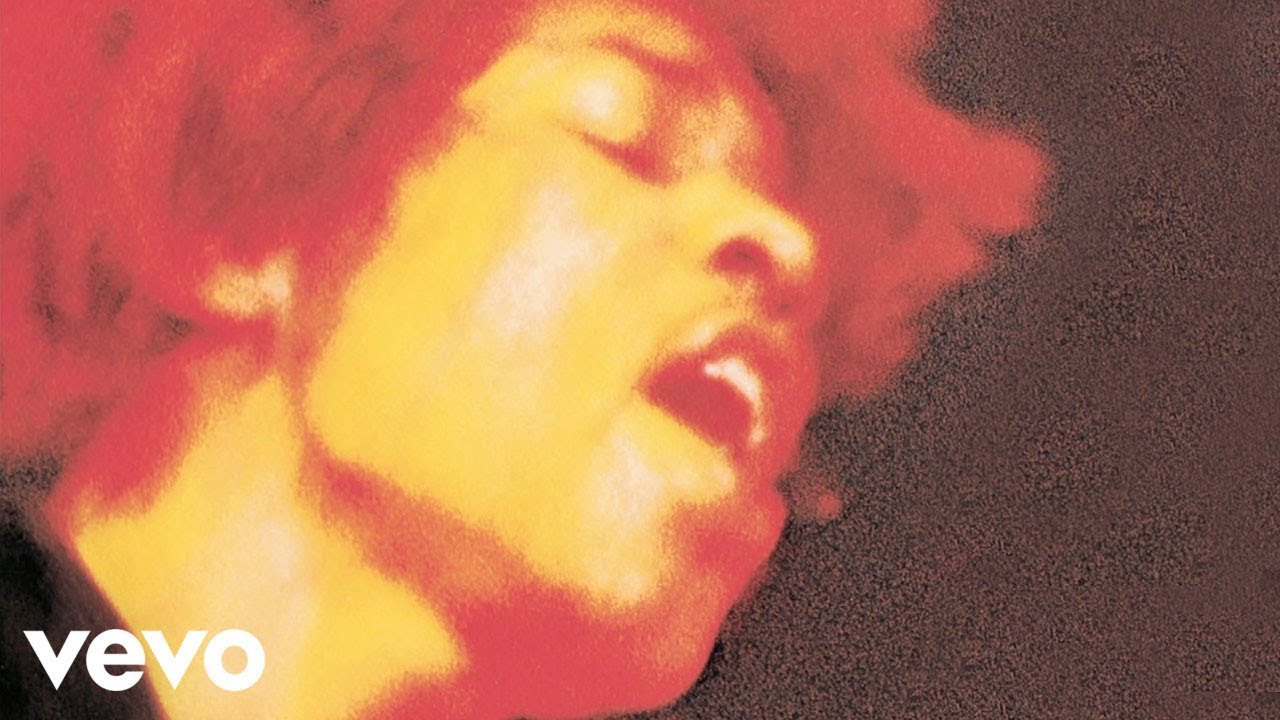
Together they produced three albums — Are You Experienced (1967), Axis: Bold as Love (1967), and Electric Ladyland (1968) — before Hendrix formed Band of Gypsys with Billy Cox and Buddy Miles.
Despite their success, Redding and MItchell died in “relative poverty” says Simon Malynicz KC, a specialist copyright lawyer who is representing the artists' estates.
Malynicz accuses Sony of being “a major multinational which refuses to recognize or remunerate their copyright and performers’ rights.”
He is fighting, he says, to “ensure not only that justice is done to the memory of Noel Redding and Mitch Mitchell, but it can also give effect to James Marshall Hendrix’s wishes.”
“Surely,” he argues, Jimi Hendrix, ”would have wanted his fellow musicians to receive everything to which they are entitled.”
Representing Sony, Robert Howe says the copyright for the group's’ three albums belongs to the producers, not the musicians, and adds that Redding and Mitchell had relinquished their rights to earnings when they sold their share of the rights in the 1970s.
He says neither artist prevented Hendrix’s estate from using their recordings in various ways while they were still alive. However, Redding threatened to sue for £3.26 million in lost earnings shortly before his death in 2003. Mitchell died in 2008
The Hendrix catalog has proved extremely profitable in the decades since it was created. Earnings have come through reissues, licensing and streaming, the latter of which did not exist until the mid 1990s via internet services. Today, streaming is the dominant format globally for music consumption.

A look at Spotify shows that the group's most-streamed song is "All Along the Watchtower," which has racked up over 827 million streams. With Spotify paying out roughly $0.003 per stream, the song may have generated as much as $2.48 million in revenue since Spotify launched in October 2008, just a month before Mitchell’s death.
Last year, London’s High Court ruled that the lawsuit could be filed despite the duo signing away their rights more than 50 years ago.
“No one is denying that Jimi Hendrix was one of, if not the, greatest guitarist of all time.” said Lawrence Abramson (via the Guardian), the lawyer who initiated the action by sending a cease-and-desist letter to Sony in late 2021. “But he didn’t make his recordings alone, and they could not have achieved any success without the contributions of Noel and Mitch.”
The case is expected to run until 18 December, with a written judgement to come some time after its conclusion.

