
Ritchie Blackmore, Cozy Powell and Ronnie James Dio were sitting around a fireplace at a French château, drinking and trying to write songs for Rainbow’s Long Live Rock ’n’ Roll. The problem was, they weren’t getting anywhere.
So Powell decided it was time to confess something.
“We were all very bored,” Blackmore recalled in a 2024 Instagram Q&A. “And we were getting a little bit kind of irritated because we were not coming up with any ideas.

“And Cozy said, ‘Okay, I have to own up.’ And we looked at him, because we'd been drinking, as usual, and we said, ‘You have to own up about what?’ He said, ‘Are you ready?’ I said, ‘Yeah.’ He said, ‘I like ABBA.’”
Blackmore didn’t waste a moment replying.
“To which I went, ‘Oh my God. I love ABBA.’ And then Ronnie goes, ‘Yes. So do I.’”
And just like that, three of hard rock’s biggest names discovered they were all secretly fans of Sweden’s biggest pop group.
“And with that, Cozy runs off to get all the ABBA songs and to play them,” Blackmore continued. “And we played, for hours, all the ABBA songs, around the fireside in this chateau. We should have been writing our own songs, but it was much better to listen to ABBA.”

The truth is, Blackmore has never been shy about his love of ABBA. He confessed it in December 1979, during an interview with U.K. weekly music magazine Sounds while promoting Rainbow’s album Down to Earth. The interviewer had asked about his taste in music.
“I like popular music and I like ABBA very much,” he replied. “Enjoy them. But there’s so much stigma involved with it — like, ‘You can’t do this because you’re a heavy band’ — and I think that’s rubbish. You should do what you want.”
More than four decades later, he was still saying essentially the same thing.
“I think ABBA was the best band,” Blackmore said in the 2024 Q&A. “I always listened to ABBA when I was a kid. It was so melodic, and it just worked. It was fantastic. And they are probably my favorite band of all time. And I know it’s uncool to say that in certain areas. But they were wonderful.”
But Blackmore’s appreciation for ABBA eventually went beyond listening to their records. In 1980, he had the chance to meet Agnetha Fältskog, one of the group’s two singers. The meeting reportedly led to talk of a possible collaboration.
Agnetha came down to a soundcheck in Stockholm. Cozy and me were playing something and she walked in and there was consternation — she was so beautiful.”
— Don Airey
On January 18 that year, Rainbow were playing at Stockholm’s Johanneshovs Isstadion on their Down to Earth world tour when Fältskog showed up. In his 2006 book Black Knight: Ritchie Blackmore, author Jerry Bloom recalled Rainbow keyboardist Don Airey’s account of what happened next.
“[Agnetha] came down to a soundcheck in Stockholm. Cozy and me were playing something and she walked in and there was consternation — she was so beautiful. I think they had a meeting the next day; it was going to be Rainbow with Agnetha, we were going to do an album with her.
“I remember it well because there was a Russian ice-skating troupe and it was their day off so we took over the ice rink but all the Russians came down to watch and they were standing around with Russian hats on so we started playing ‘Kalinka’ and they all started dancing and that’s when Agnetha Fältskog walked in and everything stopped.”

Blackmore later confirmed that he had met Fältskog and that their respective management teams had discussed the possibility of working together. Nothing came of it. Fältskog eventually embarked on her solo career, releasing her first English-language solo album, Wrap Your Arms Around Me, in 1983.
Which brings us to the album track “Once Burned, Twice Shy.” There’s an electric guitar part on the song that sounds remarkably like Blackmore.
That alone wouldn’t prove much. Plenty of guitarists can sound like Blackmore, and the guitarist officially credited on the track is Lasse Wellander, the talented Swedish session guitarist who played on numerous ABBA recordings.
Still, listen closely to the phrasing and tone — and especially the slide guitar — and it’s hard not to hear echoes of Blackmore.
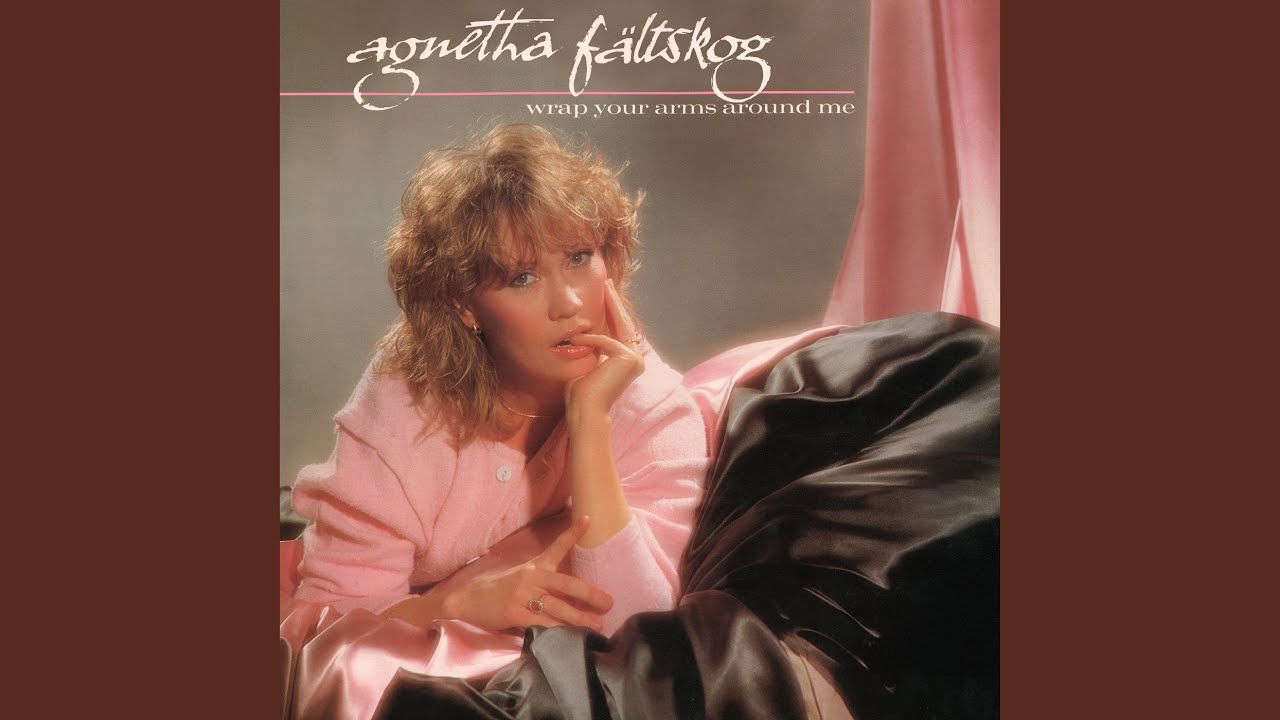
Compare it with a couple of examples of Blackmore’s slide playing with Deep Purple and Rainbow:
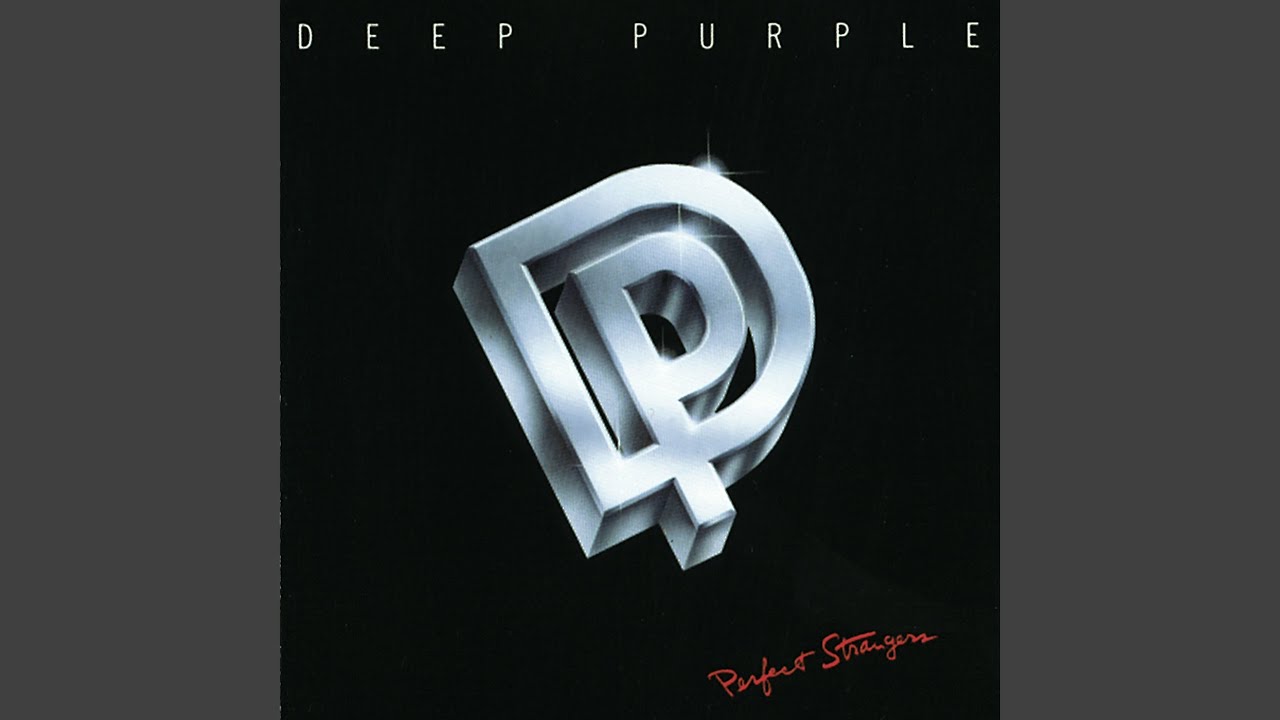
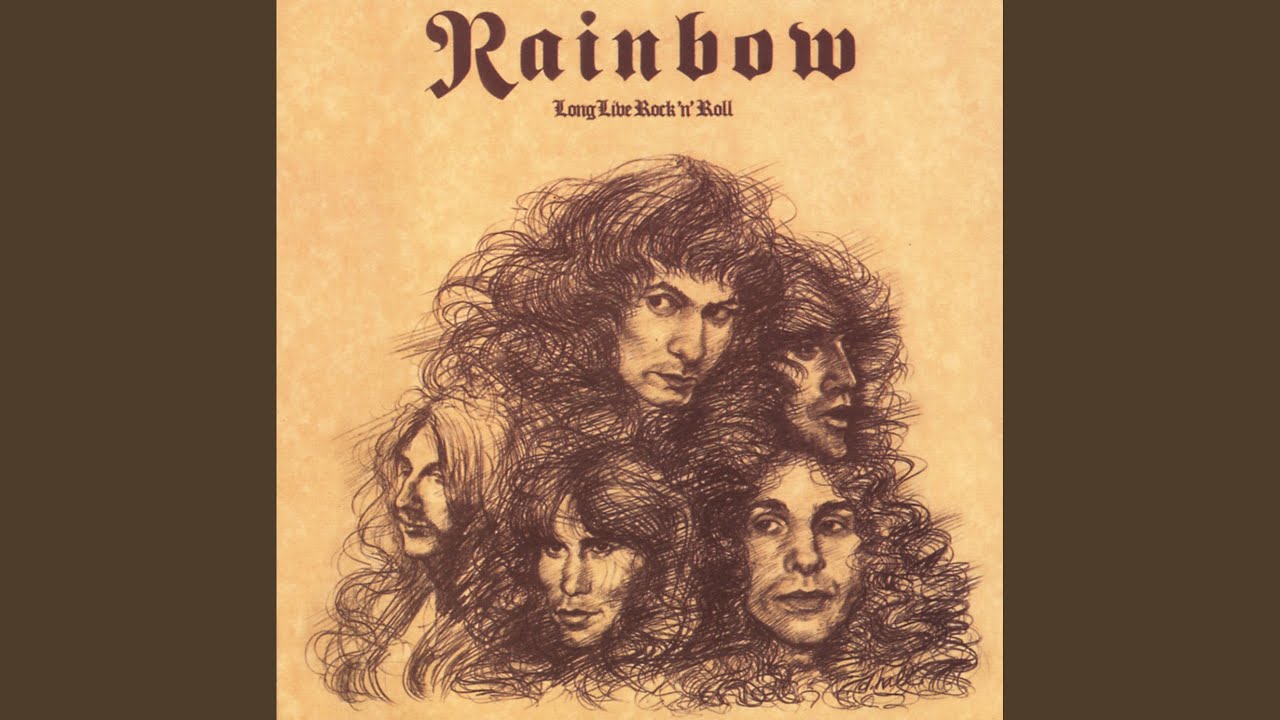
So did Blackmore actually play on Fältskog’s recording? For now there’s no proof he did. As for Wellander, the credited guitarist on “Once Burned, Twice Shy,” he died in 2023.
But a missing credit doesn’t close the case. Uncredited appearances are hardly unheard of. In one of the most famous examples, Eric Clapton’s lead guitar work and solo on the Beatles’ “While My Guitar Gently Weeps” were left unattributed on the White Album.
So for now, the Blackmore theory remains just that: a theory. Until Blackmore or Fältskog settles the question, we can only speculate. But given Blackmore’s long-standing love of ABBA — and the fact that he and Fältskog discussed working together — it’s a pretty fascinating rock and roll “what-if.”

