
August 27, 1990, was a devastating day for the blues. In the early hours following an all-star jam at Alpine Valley Resort in East Troy, Wisconsin, a helicopter carrying Stevie Ray Vaughan crashed shortly after takeoff, killing all onboard.
In the confusion that followed, early reports misidentified victims, triggering a wave of grief for musicians and loved ones who believed what they were hearing.
For Richard Marx, the tragedy quickly became personal. As recently recalled on his podcast Stories to Tell, he awoke to the news like everyone else, stunned by the loss of Vaughan, a generational blues talent who was just 35 years old.

“We all wake up to this tragic news that Stevie Ray Vaughan has been killed in a helicopter crash. But the initial reports were, ‘Stevie Ray Vaughan and members of Eric Clapton's band have perished in a helicopter crash.’”
Roughly an hour later, the situation took a devastating turn.
“My manager calls me and says, ‘Richard, I'm so sorry. Nathan's dead.’ I get emotional just thinking about it even now all these years later. I collapsed. I was sobbing, I was inconsolable.”
The “Nathan” in question was Nathan East, his close friend and collaborator of Marx’s, and the bass guitarist in Eric Clapton’s touring band.

Then, after hours of mourning, came another call, one that would reverse the emotional whiplash in an instant.
“Hours later, I get a call saying, ‘No, no, no, no. He's okay. It was these other people.’”
More than three decades on, the memory remains vivid. Sitting opposite East, Marx still recalls the surreal weight of those intervening hours — not just the shock of the news, but the very real experience of loss that came with it.
“It was hours of me mourning you,” Marx tells East. “Like, I experienced losing you.”
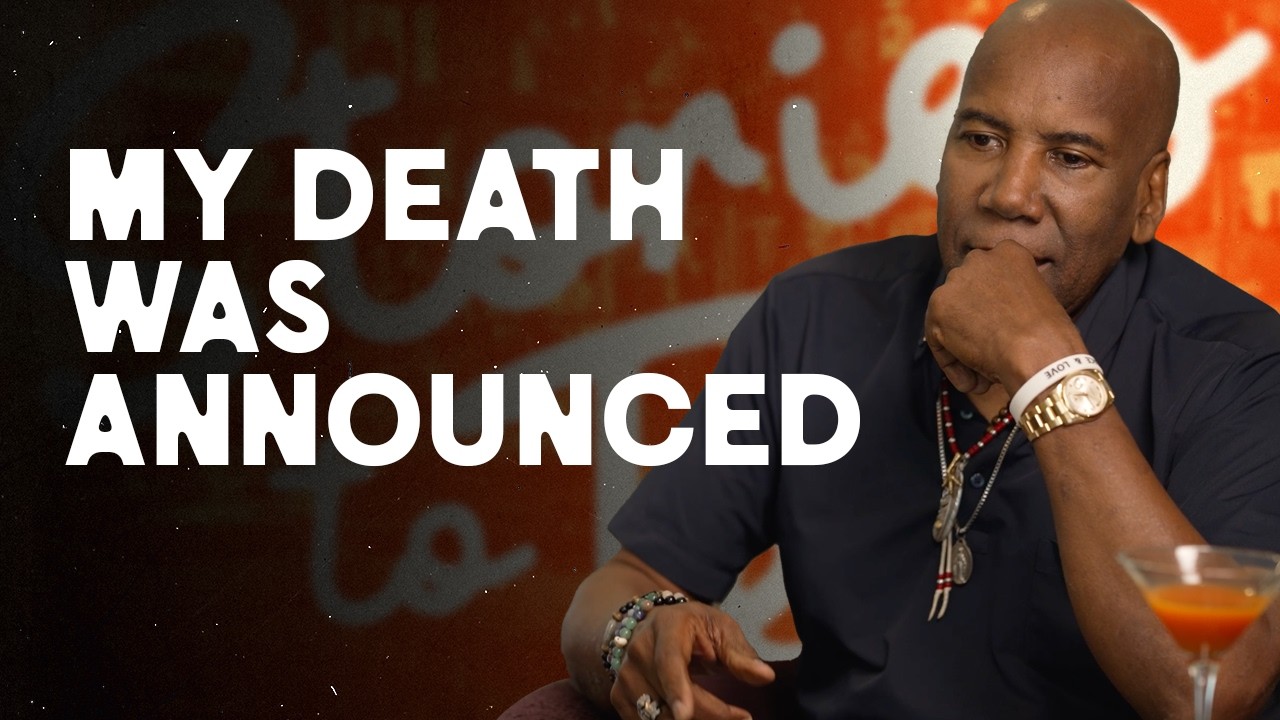
“It’s such a bizarre thing to be told that someone very dear to you has been killed, and then to have the relief, hours later, that they're fine. That was really an extraordinary thing for me.”
Marx and East recall that they spoke later that night, roughly 24 hours after the accident, while the episode was still fresh in both their minds.
“I remember towards the end of our conversation, you were talking, and I wasn’t saying much,” Marx continues. “And you said to me, ‘Ricardo, I’m not dead.’ And I went, ‘But you were to me. I was told you were.’”
You said to me, ‘Ricardo, I’m not dead.’ And I went, ‘But you were to me’
— Richard Marx
For East, the day was no less harrowing, despite the fact that he had survived.
“It was the darkest day of my life,” he says.
“People were showing up at my folks’ house saying, ‘We heard about what happened.’”
He adds that Clapton’s manager had diverted all calls intended for the band’s crew to his own hotel room. When East’s parents tried to reach their son, the rerouted calls only deepened their fear that the worst had already occurred.

The misinformation spread quickly and widely. Pat Metheny, hearing the news while in Brazil, left a somber message on East’s answering machine, lamenting that they would never have the chance to work together.
Then came the most chilling detail: East was supposed to be on that helicopter.
The very night of the accident, he had struck up a conversation with another pilot, who invited him to fly on a Twin Cessna instead. East accepted, as did Clapton keyboardist Greg Phillinganes, another musician who had originally been slated for the helicopter. Their last-minute decision made all the difference.
“Lots of things go through my head as I reflect on that day,” East says. “One is, ‘I guess I'm still meant to be here.’”

