
From the Van Halens to the Gallaghers, rock history is full of famous musical siblings. But few brotherly relationships were as formative — or as complicated — as the one between Gregg and Duane Allman.
Although Gregg helped found the Allman Brothers Band and wrote some of its most enduring songs, he spent much of his life measuring himself against his older brother. As he admits in a new documentary, Gregg Allman: The Music of My Soul, that admiration never really faded.
The film, which opens in theaters today, explores Gregg Allman’s life and career. In doing so, it also shines a light on Duane Allman’s brief but hugely influential life through the eyes of those who knew him best. Among them is Gregg, who recalls how a childhood rivalry over an electric guitar eventually forged one of rock’s most celebrated musical partnerships.
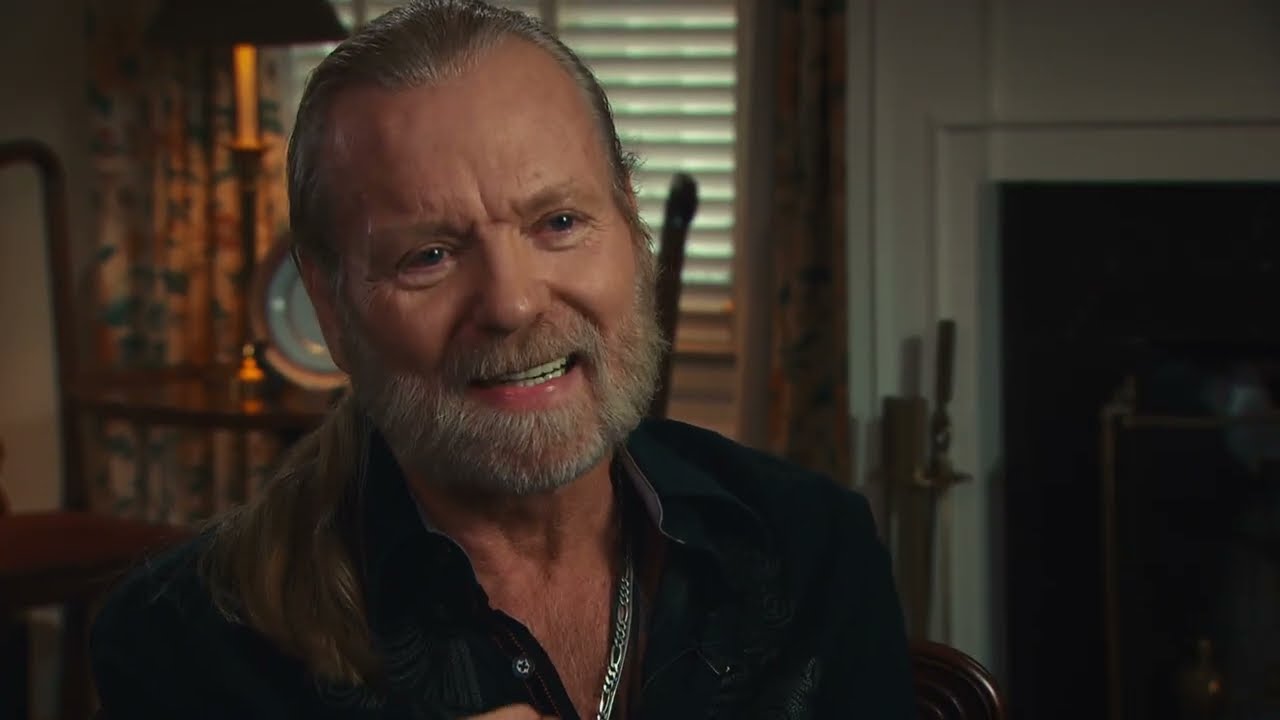
“My brother was walking through the house one day,” Gregg remembers, “and that’s when he looked at it, like, ‘What have you got there that’s making that sound? How are you doing that?’”
Gregg was the first of the brothers to pick up the instrument, much to Duane’s annoyance.
“You’re not supposed to be doing cool stuff,” Gregg recalls his older brother thinking. “Big brothers will do it first.”
The pair battled over the family’s lone guitar until their mother stepped in.
“She had to buy another one to keep peace in the family,” Gregg says with a bittersweet smile. “And when she did, she bought two electrics. I got a Fender, and he got a Gibson, and we just started playing.”

What began as a source of friction soon became the foundation of an unusually close bond.
“We became closer and closer,” Gregg says. “It was wonderful to watch it happen, because I admired him so much. Then we started becoming equal. That was such a good feeling.”
By the time the Allman Brothers Band broke through with songs such as “Midnight Rider” and “In Memory of Elizabeth Reed,” Duane had emerged as one of the most respected guitarists of his generation. His reputation grew even further when Eric Clapton recruited him for Derek and the Dominos, creating one of rock’s most celebrated guitar pairings.
But Duane’s rise was cut tragically short. Just months after the release of At Fillmore East, he died in a motorcycle accident in Macon, Georgia, at the age of 24.
More than five decades later, Gregg still struggled to talk about his brother without emotion.
“I spent my life trying to impress him,” he says after a long pause. “Well, the first 20 years of it, anyway.”
More than 50 years after Duane’s death, Gregg’s admission offers a revealing glimpse into the bond that powered one of rock’s greatest bands.

