

Rita Coolidge has long spoken about being denied a songwriting credit on “Layla,” the hit song recorded by Eric Clapton’s 1970 band Derek & the Dominos.
But it wasn’t the first time she had contributed to a song that became a hit without receiving credit. Just one year earlier, she had helped conceive and write a song that would eventually become a major success for the Carpenters.
At the time, Coolidge was a backup singer with Delaney & Bonnie and Friends, the extended group led by husband-and-wife duo Delaney and Bonnie Bramlett. She suggested writing a song about a lovestruck groupie longing for a touring guitarist to return to her. The idea became “Groupie (Superstar),” which Coolidge wrote with Leon Russell and Bonnie Bramlett.

Released in December 1969 as the B-side of Delaney & Bonnie’s single “Comin’ Home,” the song featured a group that included Eric Clapton on electric guitar. He and fellow guitarist George Harrison had become enamored of Delaney & Bonnie’s music and begun performing with the group. Clapton also recorded with them and brought several of their musicians into his orbit, eventually recruiting keyboardist Bobby Whitlock, bassist Carl Radle and drummer Jim Gordon — Coolidge’s boyfriend at the time — to form Derek & the Dominos.
Despite helping write ‘Groupie (Superstar),’ Coolidge was entirely omitted from its songwriting credits. She later explained to Relix that she was reluctant to challenge the omission, partly because of the consequences she feared it might have for the other people involved.
“When that record came out and I saw [written by] ‘Bonnie Bramlett and Leon Russell,’ Bonnie even said, ‘Why didn’t you say something, Rita?’ And I said, ‘Because, I knew if I did, then Delaney would beat the shit out of you and it wasn’t worth it.’”
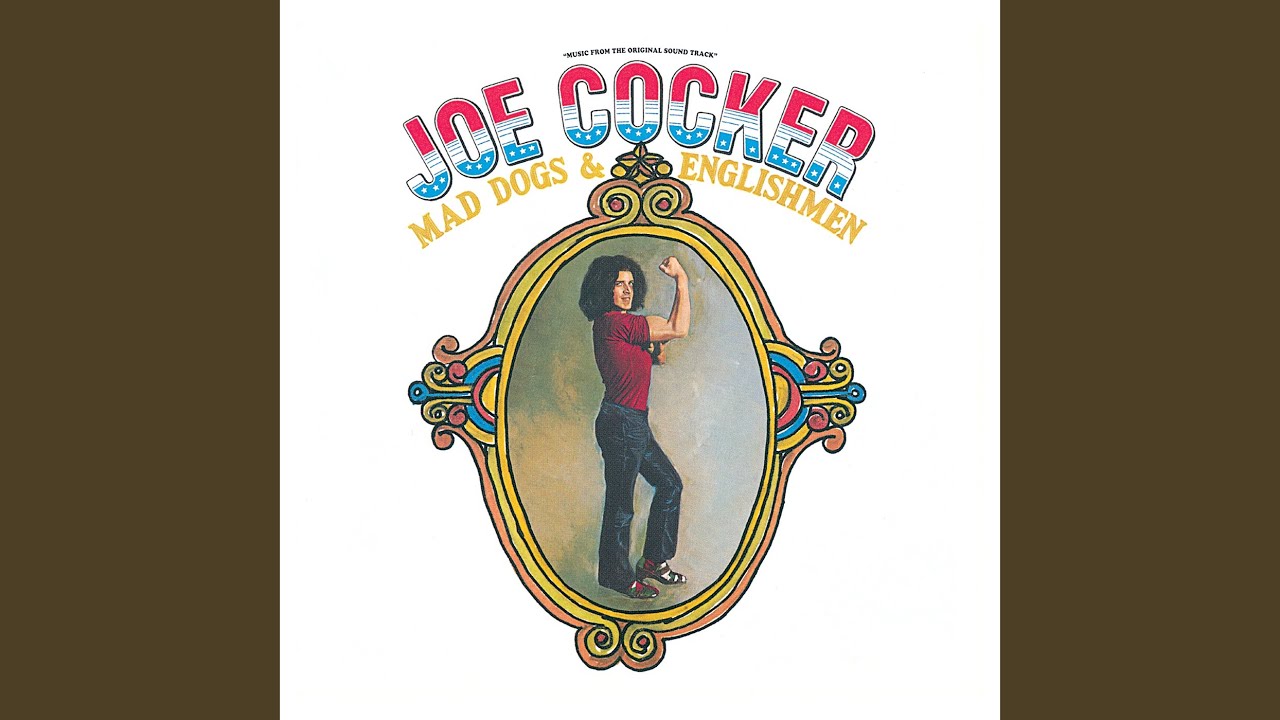
Despite the omission, Coolidge got an early opportunity to showcase the song herself. In 1970, she performed it, retitled “Superstar,” as part of Joe Cocker’s Mad Dogs & Englishmen tour, and her performance was featured on the live album recorded during the tour.
Still, that lost credit would soon prove costly. Two years after Delaney & Bonnie made their recording, the Carpenters recorded their own version. Featured on their 1971 album Carpenters, “Superstar” was released as a single and climbed to number two on the U.S. charts. The song would go on to appear on multiple Carpenters greatest-hits collections.

Coolidge’s experience with “Superstar” preceded an even more consequential omission. Her contribution to “Layla” was the piano coda that follows the song’s main section. She and Gordon had written the music as a separate composition, titled “Time (Don’t Let the World Get in Our Way).”
“We finished the song and decided that we should make a demo since we were on the way to England to record with Eric,” she told Relix. “The day we were in the studio with Eric, I sat down at the piano and played it and sang. Eric seemed to like it, so I gave him a cassette and left it on the piano. Everybody in Delaney & Bonnie were there — Bobby Whitlock, Carl Radle. The whole band who was there witnessed it.”
As with “Groupie (Superstar),” Coolidge didn't realize her contribution had gone uncredited until she heard the finished recording.
“I was in the studio having pictures made for my new album on A&M and I hear this music come over the PA system in the studio and it sounded so very familiar,” she said. “As it went on, it suddenly dawned on me — that’s my music, that’s why it’s so familiar. It had become the coda for ‘Layla.’”

Coolidge first detailed the stories behind “Superstar” and “Layla” in her 2016 memoir, Delta Lady. Their publication prompted some people to question why she was only speaking out about the incidents decades later. But, she insisted, the stories were nothing new.
“I’ve told this story my whole life and, when the book was released, I saw where people had written stuff, which I stopped reading, saying, ‘Why are you just telling this story now?’” Coolidge said.
“Well, it’s not just now,” she added. “I’ve been telling this story since 1970. I didn’t sit back on my thumbs — I knew what had happened.”
