

Donnie Iris, the singer, guitarist and songwriter whose career spanned the Jaggerz’ No. 2 hit “The Rapper,” a stint with “Play That Funky Music” hitmakers Wild Cherry and the guitar-driven rock of Donnie Iris and the Cruisers, has died at 83.
The Pittsburgh music fixture passed away Monday, October 26, following a three-year battle with bladder cancer, according to friends and bandmates. With his soaring vocals, sharp pop instincts and the muscular guitar sound of hits including “Ah! Leah!” and “Love Is Like a Rock,” Iris built a six-decade career that made him a beloved figure in western Pennsylvania and beyond.
Iris first found national success with the Jaggerz, whose 1970 single “The Rapper” reached number two on the Billboard Hot 100 and earned the group a gold record. He later joined Wild Cherry as a guitarist and backing vocalist, connecting with keyboardist Mark Avsec. The two began developing a project of their own, laying the groundwork for Donnie Iris and the Cruisers.

The group’s 1980 debut, Back on the Streets, introduced the sound that would define Iris’ solo career: muscular guitar rock (Iris preferred a Fender Strat), prominent keyboards, tightly arranged harmonies and a lead vocal capable of soaring into a distinctive, high-register scream.
Its signature song, “Ah! Leah!,” began with a wordless vocal hook. Iris suggested turning the chant into a song about a woman named Leah, and the resulting track became a showcase for his remarkable voice. It reached number 29 on the Billboard Hot 100 after gaining early support from radio stations in Pittsburgh and Cleveland.
The Cruisers followed with King Cool in 1981, a title inspired by a concert review that dubbed Iris the “new king of cool.” The album produced two more Top 40 hits, “Love Is Like a Rock” and “My Girl,” establishing a run of songs that became staples of classic-rock radio, particularly in the region Iris called home.
As Iris told Songfacts, “Love Is Like a Rock" was a surprise success, reaching number nine on Billboard Mainstream Rock chart. The song originated as a studio jam.
“The group went into the studio and Marty Lee, our guitar player, came up with that riff,” he said. “We just kind of built around that riff, put the instrumentals down, and that's all we had. We just had what we thought was a good track — guitar, bass, drums. Then Mark and I were in the studio and we listened to the song and wrote the lyrics around the track.”
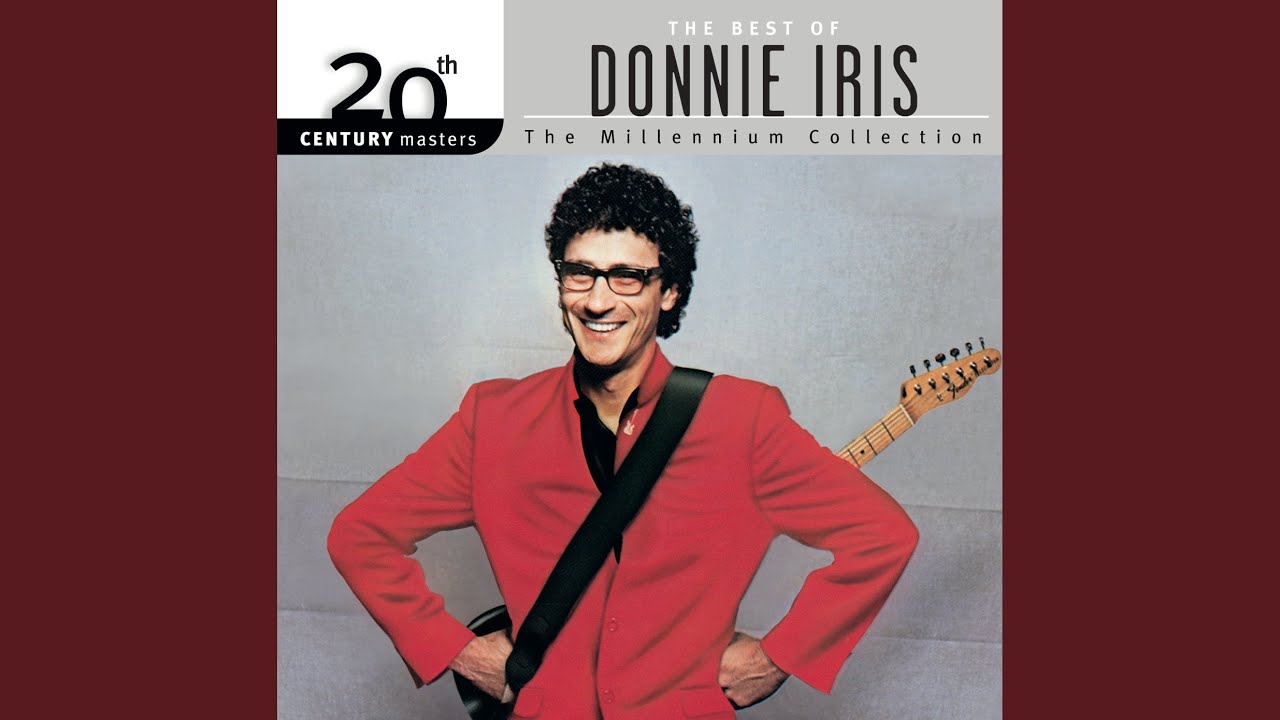
Born Dominic Ierace in New Castle, Pennsylvania, on February 28, 1943, Iris grew up in nearby Ellwood City. His mother played piano at church and encouraged him to sing as a child. He later gravitated toward rock and roll, R&B and the sounds of the British Invasion. After performing with local groups in high school and college, he helped form the Jaggerz in 1964.
The Jaggerz became a fixture of the western Pennsylvania club circuit, building their repertoire around Motown and British Invasion songs before landing a recording contract with Gamble Records. Iris wrote “The Rapper” after observing men trying to charm women in the clubs where the band performed. Its conversational verses and soulful groove struck a chord with listeners, establishing him as both a vocalist and songwriter.
Though his oversized glasses and idiosyncratic image set him apart from the era’s conventional rock frontmen, Iris had a voice that could compete with the genre’s most forceful singers. He credited Marvin Gaye as a major influence.
“Just everything about him,” Iris said of Gaye in an interview with the Pittsburgh Post-Gazette. “His voice, his songs. He had that kind of scream to his voice. That's basically where I realized I could do some of that.”
The Cruisers toured with acts including Hall & Oates, Loverboy, Nazareth and Bon Jovi. Their subsequent albums, The High and the Mighty (1982) and Fortune 410 (1983), failed to match the commercial success of their first two records, however. A lawsuit alleging that “Ah! Leah!” had been taken from a song submitted to the band’s label further complicated their career. The Cruisers ultimately prevailed, but the legal fight took a considerable toll.
Iris was dropped by MCA Records in 1984, yet he and the Cruisers continued recording, releasing No Muss... No Fuss in 1985 and several more albums in the decades that followed. Later releases included Ellwood City in 2006 and the holiday collection Ah! Leluiah! in 2010.
Although he never again matched his early national chart success, Iris remained a working musician with a loyal following. His annual birthday concerts became fixtures on the Pittsburgh-area calendar, drawing fans who had followed him from the Jaggerz through the Cruisers and beyond.
After battling bladder cancer and canceling performances for treatment, Iris returned to the stage in 2024. His final concert took place this past September 28, at the opening of Citizens Live at the Wylie in Pittsburgh. He announced his retirement from live performance on October 9.
In his retirement statement, Iris thanked the musicians, crew members, promoters, venues and fans who had sustained his career. “Music has given me far more than I could ever put into words,” he wrote. Tributes following his death included fellow musician Joe Grushecky’s praise for Iris as one of western Pennsylvania’s most beloved performers.
