

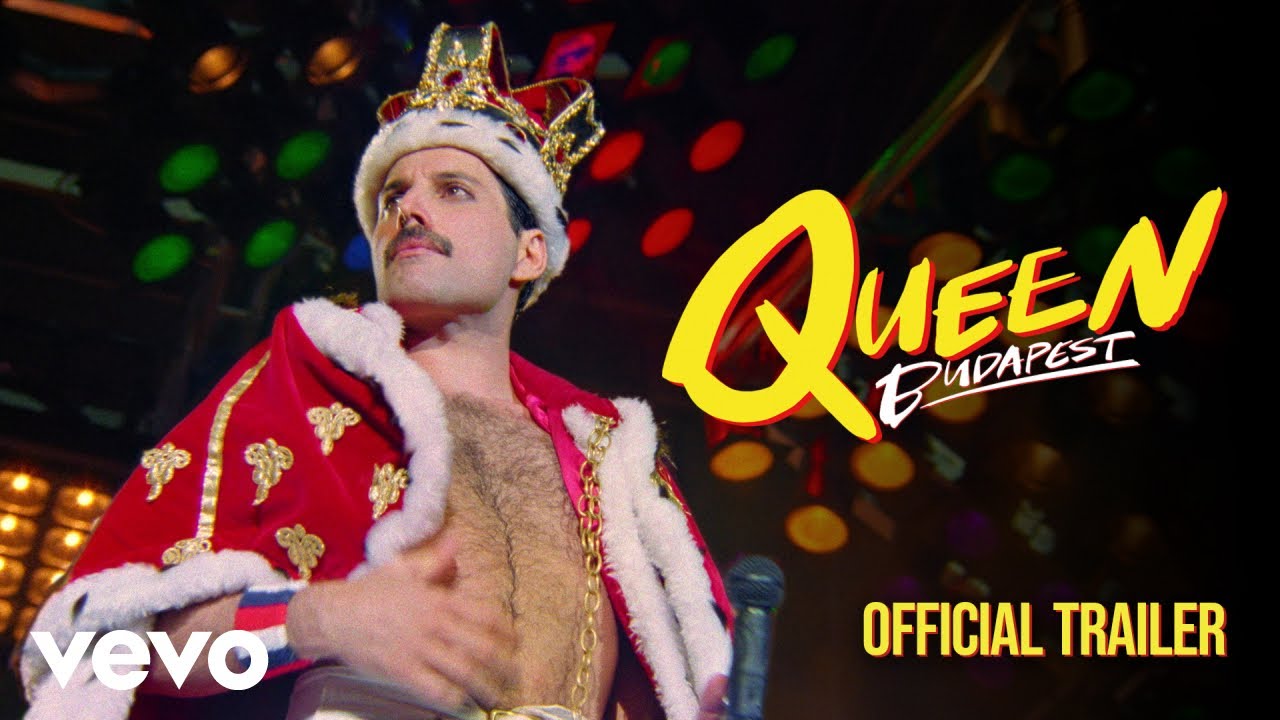
Queen’s landmark 1986 concert in Budapest is getting a new lease on life with the November 6 release of the restored Queen Budapest film on Blu-ray, DVD and digital.
But for Brian May, revisiting the performance is more emotionally demanding than nostalgic. Speaking in a new interview with Rolling Stone Canada, the guitarist describes how watching the newly restored footage transports him back to the pressures of performing with Queen at the height of its success.
The guitarist and drummer Roger Taylor attended the film’s premiere, where they got an early look at the newly restored footage. The experience left both feeling drained.
“Somebody asked Roger how he felt, and he said, ‘I feel exhausted,’” May recalls. “And that’s exactly how you feel — because you get emotionally dragged through that whole thing.”
Watching himself perform brings back the anxieties that accompanied life on the road, he explains. “It’s almost like you’re there and you’re still worried about, did you make a mistake or did that sound right, and you’re back in all those personal issues that you had at the time. It is an exhausting experience for us to look at it.”
The Budapest concert took place during Queen’s 1986 Magic tour, when the band was enjoying one of the biggest periods of its career. A year after its triumphant Live Aid appearance, Queen had played two sold-out nights at Wembley Stadium and was now taking its show across Europe.
Budapest represented a particularly significant stop. Playing behind the Iron Curtain, Queen was part of a historic moment for Western rock music in Eastern Europe.
“We’re now back out in Europe, in Budapest, behind the Iron Curtain, where no rock group has ever been able to play, and it’s a monumental moment,” May says. “It really is.”
The concert was extensively filmed by Hungarian cinematographers, with cameras also following the band around the city and documenting moments away from the stage.
“There are all sorts of little insights into what we were doing offstage as well as onstage, and I think it’s beautiful,” May says.
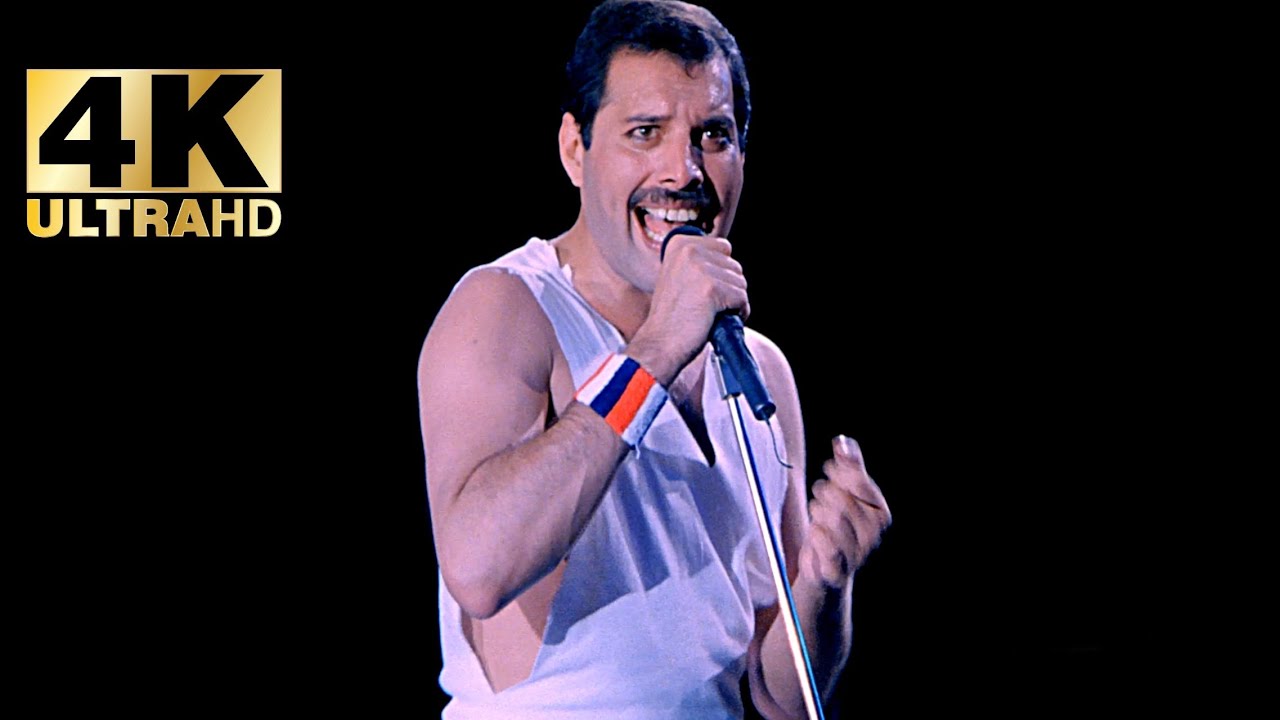
The restoration brings new life to both the picture and sound. The visual work was handled by a New Zealand team whose credits include The Lord of the Rings, while Queen oversaw the audio restoration.
For May, the experience of watching the film ultimately goes beyond the uncomfortable memories. Stepping back from the performance, he can appreciate how well the four musicians worked together.
“I feel proud,” he says. “Detaching yourself, I think that it’s a good band, very well in touch with each other, very well-oiled machine, and it’s a great moment. I’m glad it was captured.”
