

When Steve Vai joined David Lee Roth’s band, he understood the challenge ahead. His new bandleader wanted a guitarist who could measure up to Eddie Van Halen — and, ideally, outshine him. But Vai had no intention of getting into a head-to-head battle with a player widely regarded as the world’s greatest guitarist at the time.
Fresh from a formative stint in Frank Zappa’s band and a chance run-in with Brian May, Vai was still in his mid-20s when he landed the gig. He has previously said he approached the job with love and respect for Van Halen’s revolutionary playing and legacy. Now, he's explained how that perspective shaped the solos he played on football field-sized stages night after night.
“The potential to be tremendously intimidated was there, but that would mean that I had to compete with Edward, and that's an insane proposition,” he tells 101 WRIF. “I didn't see myself competing with Edward. How do you do that? I don't have that tone, I don't write music like that.”
Vai wasn't simply being modest. He says he was “embarrassingly inexperienced” when he recorded Roth's debut solo album, Eat ‘Em and Smile — so much so that he borrowed an amplifier from another guitar great to get through the sessions.
Although he'd released his own album, Flex-Able, and recorded with Zappa and Alcatrazz, Vai was still developing as a songwriter. Van Halen, by contrast, had already established himself as one of rock's most formidable songwriters, helping make his band one of the biggest acts in the world. His uncredited guest solo on Michael Jackson's “Beat It” had only added to his stature.
“He's a brilliant pop songwriter, and I just knew that I loved rock music,” Vai continues. “I could play it with great energy, I loved the Van Halen songs, I loved Edward's guitar parts, they're beautiful to play.
“They're 'guitar parts,' y'know? It's no big mystery. But it's the way you play them. Nobody plays them like him. And I knew that, and I didn't want to go into it feeling like I had to copy him.”
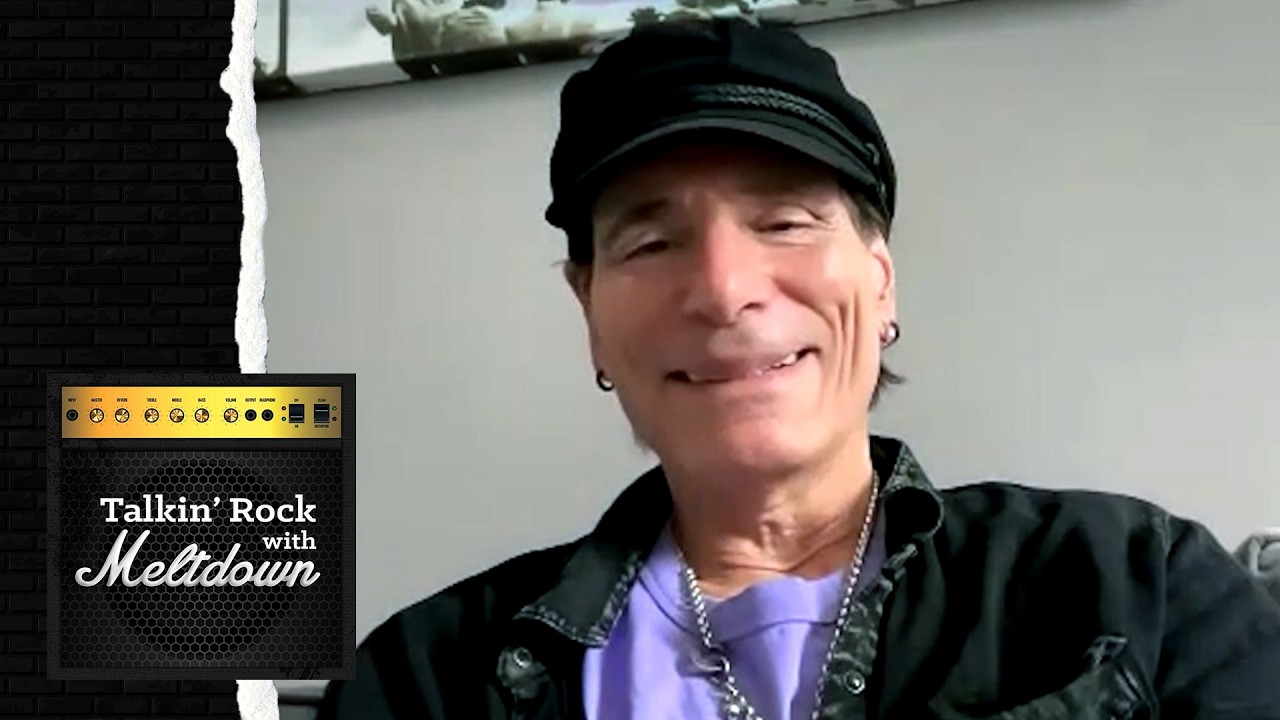
Rather than attempt to replicate Van Halen's playing, Vai decided to bring his own identity to the material — even when that meant departing from what Roth might have expected.
“I wouldn't take his solos,” he reveals. “I mean, certain parts of ‘Hot for Teacher,’ that's a part of the song, so you wanna do that. But when it would come to the solo, I'm like, 'I'm not going to try to play Edward’s stuff.’
“I could play the notes, but why? They’re not gonna sound the way he played them, and only I can play it to sound like me. That seemed like my best bet, so I took it. I took those beautiful guitar parts, and I just played them as me.”

Van Halen himself would eventually get a close look at the guitarist Roth had recruited to fill his shoes. And while he acknowledged Vai's technical proficiency on the electric guitar, he also felt that something was missing from the playing. The comparison was inevitable, but Vai's approach was never about being the next Eddie Van Halen.
Roth's attempt to establish himself as a rival to his former bandmates ultimately fell short, despite early success with songs such as “Yankee Rose.” Van Halen, meanwhile, continued to thrive with Sammy Hagar at the microphone.
There's a more amicable chapter unfolding between Roth and the Van Halen camp these days, too. After Alex Van Halen declared that the band were at their best with Diamond Dave, the singer and drummer reunited for the first time in more than a decade, joking that their reunion was also a step toward world peace.

