

Rush will celebrate two classic albums when they take over the Las Vegas Sphere for a five-show residency next summer. The performances will mark another milestone in the Canadian prog giants’ celebrated return to the stage, with full-album renditions of 2112 and Moving Pictures planned for the run.
Rush seemed to have exited stage left for the last time in the summer of 2015, only to make a surprise comeback last year. Former Jeff Beck drummer Annika Nilles, the gutsy musician chosen to fill the late Neil Peart’s drum throne, will join Geddy Lee and Alex Lifeson for the newly announced shows.
The five performances will take place at the futuristic venue on May 21, 23, 26, 28 and 30. The setlists will include full performances of 1976’s transformative album, 2112, and Moving Pictures, the 1981 release that went five-times Platinum.

In an official statement, bass player and vocalist Lee said he and Lifeson are working hard to concoct “some new madness” to suit the high-tech venue (via Rolling Stone).
When Moving Pictures gets played in full, Lifeson will get to revisit one of his favorite guitar solos in a venue that would have seemed like science fiction when the idea was first dreamed up during a bitterly cold Quebec winter. The guitarist has singled out his work on “Limelight” as a particular source of pride.
“I remember recording this solo because we had speakers set up outside to catch the delays and some echoes,” he told Behind The Vinyl in 2016.
Moving Pictures was recorded at Le Studio (later renamed Studio Morin Heights), where the band had also made the previous year’s Permanent Waves. It would become something of a second home for Rush, who went on to record Signals, Grace Under Pressure, Presto, Roll the Bones and Counterparts there.
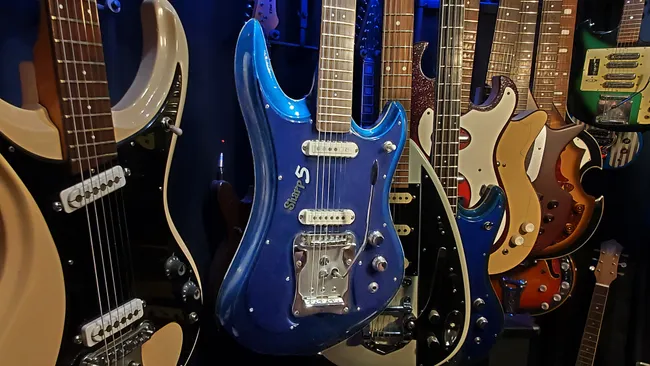
Lifeson says his Hentor Sportscaster and beloved ES-355, “Whitey,” accounted for much of the guitar work on the album. The “Limelight” solo, meanwhile, finds him at perhaps his most expressive.
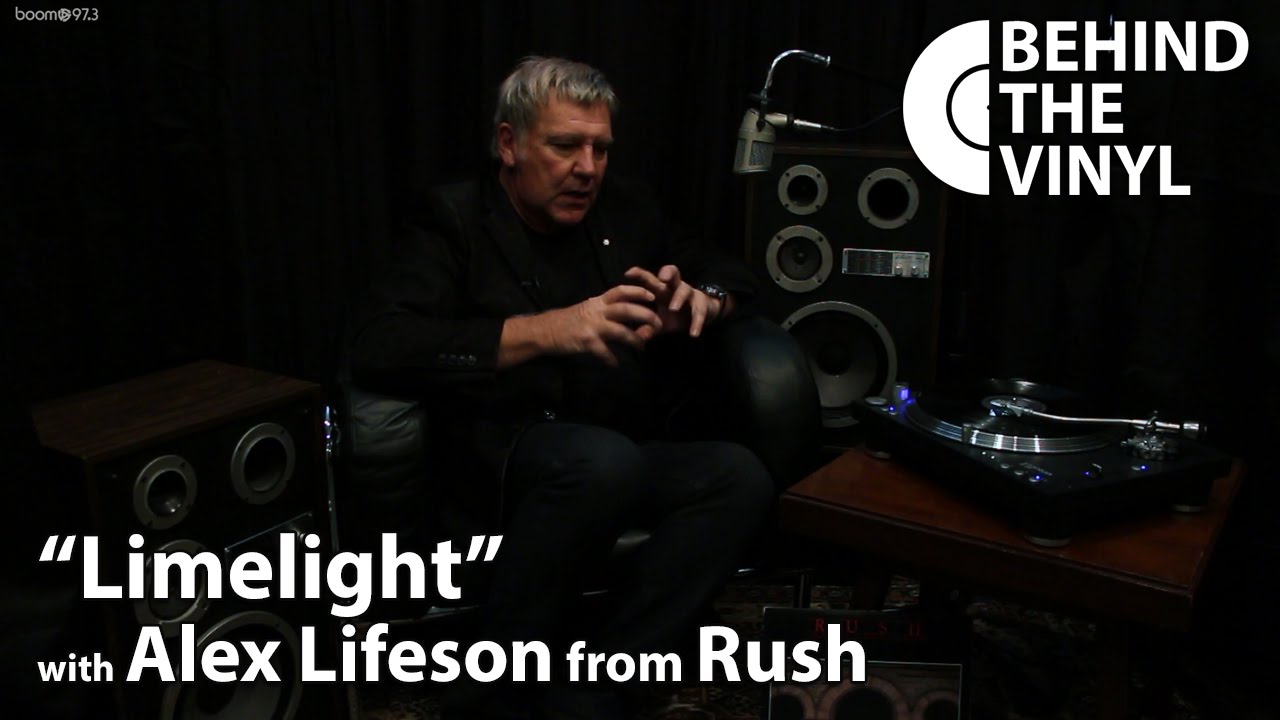
“I really am proud of this solo,” he said. “We did it in five or six takes, and we did a compilation of those takes to arrive at what we have. But what really moves me about this solo is its lonely character, which really fits the mood and tone of the lyrics that Neil wrote about this song.”
Peart wrote “Limelight” about his discomfort with the public and media attention that the trio’s success had brought them. Lifeson was keen to extend that sense of isolation through his 26-bar solo.
“It's a very elastic solo,” he added. “It moves around, and the delays cascade and overlap. It ends with a very high point – literally a high point, high E string at the top of the neck – and it's a very dynamic build.”
That emphasis on dynamics, and on making a solo contribute to a song's narrative, is something Lifeson has also discussed when talking about Envy of None's second album with Guitar Player. The project helped him rediscover his love of soloing.
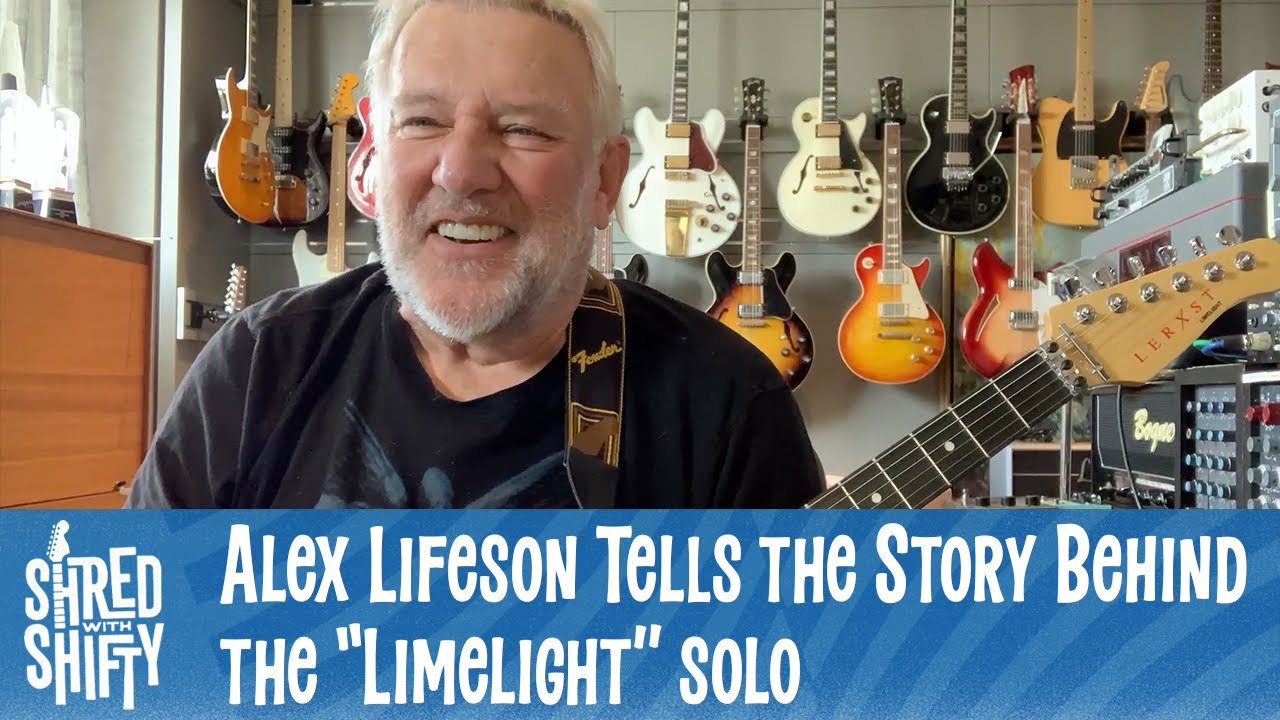
Speaking to Foo Fighters guitarist Chris Shiflett last year, Lifeson also reiterated the importance of knowing when to stop rather than overworking a part.
“I really wanted to echo that feeling,” he said. “But I find after five or six takes, I start repeating myself. I get bored with it. I'm impulsive when it comes to that sort of thing, whereas Geddy needs to hear everything wrong before he knows what's right. So he'll spend hours and hours doing stuff. I like to spend minutes.
“It has a lot of languid movements; bends and pulls and drops, and notes that come in and creep up,” he said of the solo. “And when I first heard the comp, I thought it really reflected the emotional character of the song; of being disconnected and living a life that's on a stage and not real.”
During Rush's hiatus, Lifeson found himself being hired by a multitude of different bands, and he says he enjoyed shattering their expectations. He's also credited a Beatle with inspiring the band's reunion – although Lee has a different account of what brought Rush back together.

